
Belgian Malinois Training Plan: A 30-Day Schedule for Home
A Belgian Malinois training plan works best when it follows four weeks in order. Week 1 builds routine and focus, week 2 teaches core commands, week 3 adds leash manners and recall, and week 4 builds impulse control. Keep sessions short and add daily mental exercise.
This schedule tells you what to do each day. If you want the full theory behind each skill, read our guide on how to train a Belgian Malinois dog first, then come back to follow the plan. For the overall picture, see our Belgian Malinois training guide.
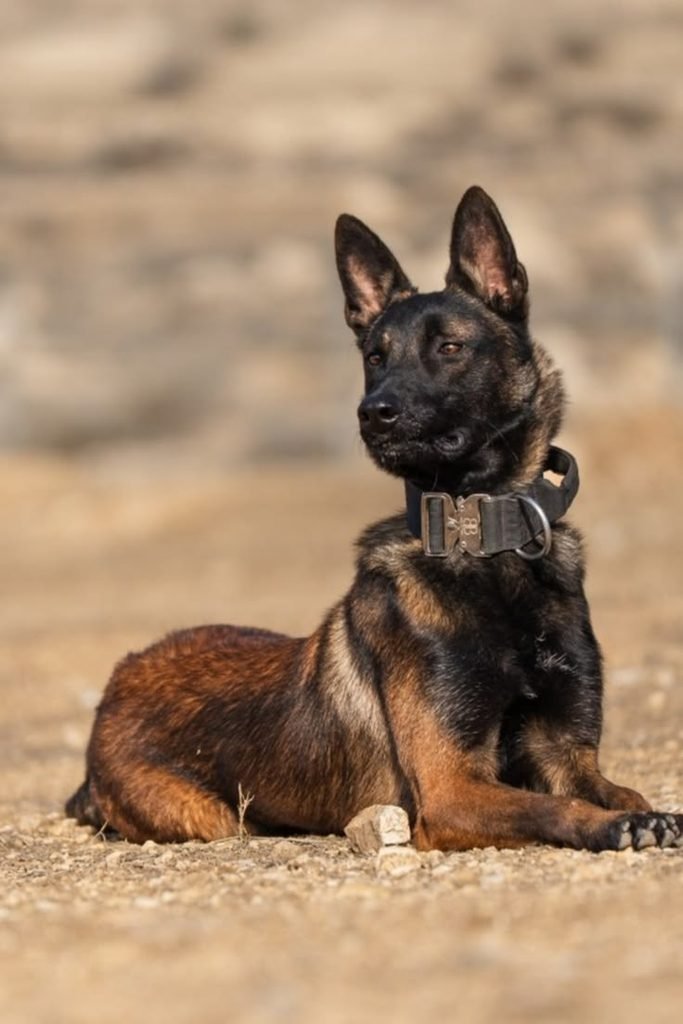
Why Do You Need a Belgian Malinois Training Plan?
The Malinois is fast, driven, and sensitive. Without structure, it invents its own jobs, usually chewing, nipping, or chasing.
A written plan gives you three advantages:
- Order. Skills are taught in the sequence that works best.
- Consistency. Everyone in the household follows the same steps.
- Measurable progress. You can see what the dog has learned and what needs repeating.
What Do You Need Before Day 1?
Gather the equipment first. It saves time and prevents mistakes.
- A 6-foot leash and a 30-foot long line for walking and recall practice
- A properly sized crate and a washable mat
- Small, soft treats (pea-sized) and a favorite tug toy
- A treat pouch so rewards arrive within 1 to 2 seconds
- A written schedule posted where the whole household can see it
Agree on cue words before you start. Use “sit,” “down,” “place,” and “come.” Do not let family members invent their own versions.
Seek professional help if you see growling, snapping, resource guarding, or fear-based reactions. Our guide to Malinois aggression solutions explains when to bring in a specialist.
The 30-Day Belgian Malinois Training Plan
Each week has one main goal. Do not skip ahead. If your dog struggles, repeat the week.
Week 1 (Days 1 to 7): How Do You Build Routine and Focus?
The goal is a calm, predictable home and a dog that looks to you.
Daily tasks:
- Set a fixed schedule. Feed, walk, train, and rest at the same times each day.
- Teach a marker word. Say “yes,” then deliver a treat within 1 to 2 seconds. Repeat 10 times, three times a day.
- Teach name response. Say the name, mark and reward eye contact.
- Start crate time. Feed meals inside the crate and add a chew.
Adult or rescue dog? Keep the first 2 weeks quiet. Skip crowds and new visitors while the dog decompresses.
For a puppy, the book The Malinois Puppy: Socialization, Crate Training, and Bite Inhibition can support this week.
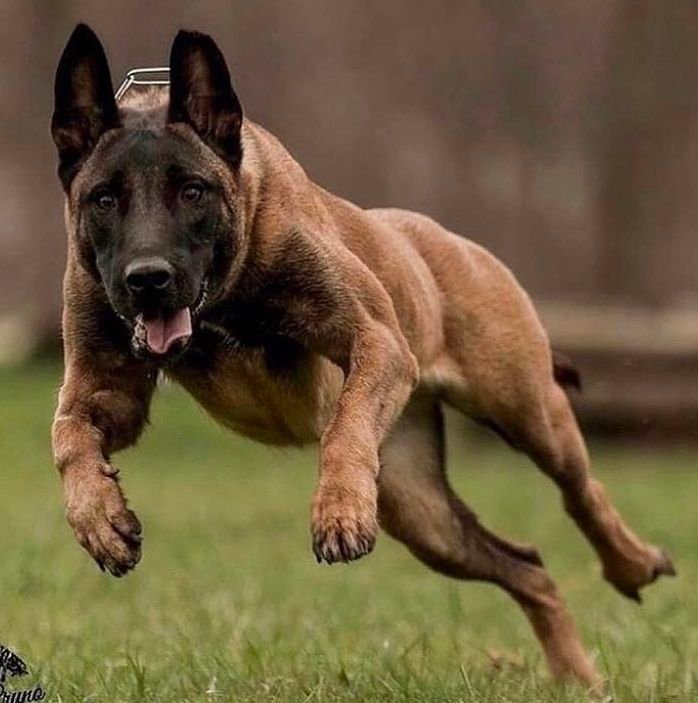
Week 2 (Days 8 to 14): How Do You Teach Sit, Down, and Place?
The goal is three reliable commands in a quiet room.
- Sit. Lure with a treat above the nose, mark when the hips touch the floor.
- Down. From a sit, lure the treat to the floor between the paws.
- Place. Reward the dog for stepping on a mat, then lying down on it.
Run 3 to 4 sessions per day. Puppies need 3 to 5 minutes per session. Adults can do 10 minutes.
Move to the next step only when the dog succeeds about 8 times out of 10. Then add the verbal cue.
For a structured companion to these commands, see Basic Obedience for the High-Drive Dog.
Week 3 (Days 15 to 21): How Do You Teach Leash Manners and Recall?
The goal is a dog that walks without pulling and comes when called.
Loose-leash walking:
- Stop when the leash tightens.
- Move forward when it relaxes.
- Reward the dog at your side.
Recall, in this order:
- Indoors at 6 feet
- Garden or yard
- Long line outdoors with mild distractions
Say the cue once. Reward with your best treat or toy. Never call the dog to scold it.
Many handlers keep the long line on for months. That is normal. When your recall is solid, Advanced Obedience and Off-Leash Reliability is a logical next resource.
Week 4 (Days 22 to 30): How Do You Build Impulse Control?
The goal is a dog that waits for permission. This week matters most for a high-drive breed. For a deeper program, see Taming the Beast: Impulse Control and Calmness.
- Wait at doors and before meals. Release the dog with a cue.
- Leave it. Reward the dog for ignoring a treat on the floor.
- Tug with rules. Teach start, drop, and wait.
- Calm on the mat. Extend “place” from 30 seconds to 5 minutes.
Handle mouthing consistently. When teeth touch skin, stop play for 10 to 20 seconds, then redirect to a toy.
What Does a Daily Schedule Look Like in This Plan?
A sample day for an adult dog:
| Time | Activity | Duration |
|---|---|---|
| Morning | Walk and sniffing time | 30 min |
| Mid-morning | Training session (new skill) | 10 min |
| Midday | Crate rest with chew | 1 to 2 hours |
| Afternoon | Scent game or puzzle feeder | 15 min |
| Late afternoon | Training session (review) | 10 min |
| Evening | Run, fetch, or hike | 30 to 45 min |
| Night | Mat or crate settle | 10 min |
Adjust this for puppies. They need more sleep (often 18 to 20 hours per day) and shorter sessions.
How Much Exercise Does Your Training Plan Need to Include?
Plan on roughly 1.5 to 2 hours of combined exercise and training per day for an adult. Treat this as a general guideline, and confirm it with your vet.
Exercise alone will not solve behavior problems. A physically tired dog with no mental work is still restless. Add these activities to your plan:
- Scent work. Hide treats around the room. See Scent Work and Nose Games.
- Puzzle feeders. Replace the bowl at 1 or 2 meals.
- Trick training. Spin, paw, and touch work well.
- Flirt pole sessions. Use rules for start and drop.
How Do You Handle Common Problems During the Plan?
Most issues come from unmet needs. Check exercise, mental work, and rest first.
- Biting and mouthing. Pause play, redirect to a toy, and reward gentle behavior.
- Destructive chewing. Offer approved chews, rotate them, and manage the space when you cannot supervise.
- Barking. Identify the trigger, then reward silence between barks.
- Jumping. Turn away until all four paws are on the floor, then reward.
- Herding behavior. Redirect heel-nipping to a toy or a “place” cue.
Avoid yelling and physical punishment. Malinois are sensitive, and force can create fear or defensive behavior.
What Are the Biggest Mistakes When Following a Training Plan?
- Skipping the routine. Without structure, training does not stick.
- Sessions that run too long. A bored dog stops learning.
- Adding distractions too early. Success must come first.
- Skipping the long line. Off-leash freedom too soon ruins recall.
- Stopping after 30 days. This plan is a foundation, not a finish line.
What Happens After Day 30?
Thirty days gives you the foundation. Reliable obedience around distractions usually takes 12 to 18 months of ongoing practice.
Keep going with:
- Short daily sessions
- New locations for every skill
- Group classes for real-world distractions
For the broader picture, including socialization windows and adolescence, see our life-stage training guide and the 7-step Belgian Malinois guide.
Final Thoughts on Your Belgian Malinois Training Plan
A good Belgian Malinois training plan comes down to routine, short sessions, and steady progress. Follow the four weeks in order. Reward the behavior you want, and give the dog daily mental work. Repeat any week that feels shaky.
Disclosure: this article contains affiliate links. We may earn a commission at no extra cost to you.
FAQ: Belgian Malinois Training Plan
How long should a Belgian Malinois training plan last?
A starter plan runs 30 days. Reliable obedience around distractions takes 12 to 18 months of ongoing work.
How many minutes a day should I train my Malinois?
Puppies need 3 to 5 minutes per session. Adults can do 10 to 20 minutes. Run several short sessions rather than one long one.
What is the first thing to teach a Belgian Malinois?
A marker word and name response. Every other skill depends on the dog’s attention.
Can I follow this plan with an adult or rescue Malinois?
Yes. Start with 2 to 4 weeks of calm routine, then follow the same weeks.
Can I train a Belgian Malinois at home by myself?
Yes, for basic obedience. Seek a professional if you see aggression, severe fear, or uncontrolled chasing.
Do I need treats to train a Belgian Malinois?
Not always. Many Malinois work harder for a tug toy than for food. Use whichever reward your dog values more.