
How to train a Belgian Malinois dog: start socialization and basic obedience at 8 weeks. Use positive reinforcement in short sessions, build recall and impulse control early, and give the dog daily physical and mental work. Consistency matters more than intensity with this breed.
The Malinois is fast, driven, and sensitive. Those traits make it easy to train and easy to mistrain. The seven steps below follow the order that professional trainers use for most working-breed puppies and adolescents.
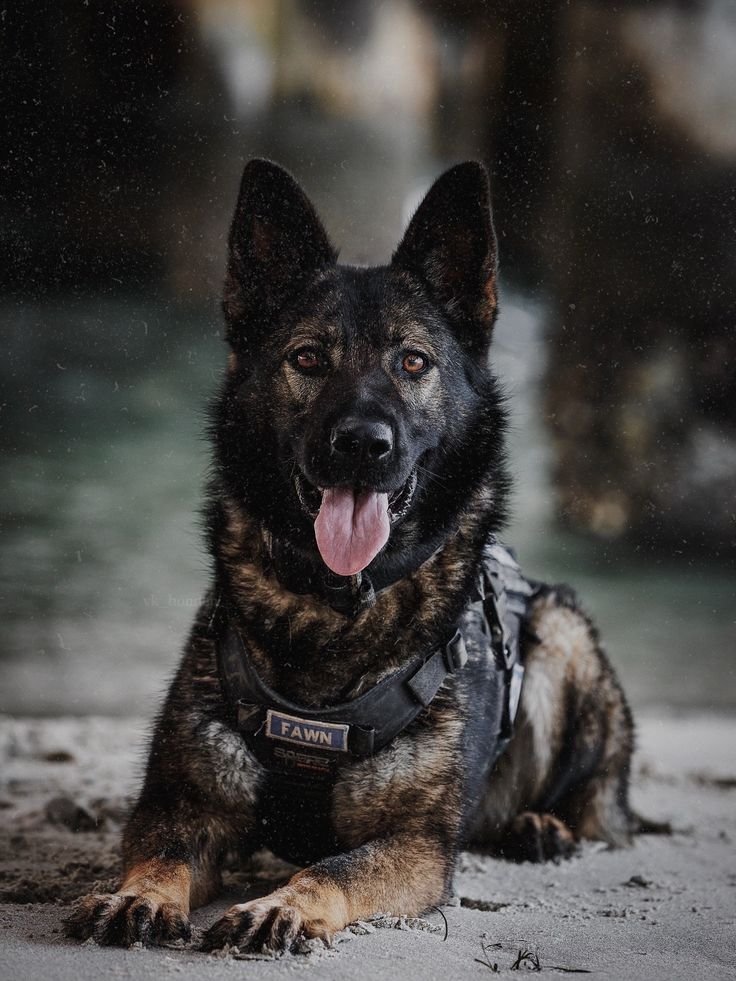
What Do You Need Before You Train a Belgian Malinois Dog?
The Malinois was bred for herding and is widely used in police and protection work. It learns quickly and wants a job. When it has no job, it creates one, usually by chewing, nipping, or chasing.
Prepare these basics first:
- Time. Plan on 1.5 to 2 hours of combined exercise and training per day for an adult. This is a common guideline, so confirm it with your vet.
- Equipment. A 6-foot leash, a 30-foot long line, a properly sized crate, a treat pouch, and a tug toy.
- Rewards. Soft, small treats and a favorite toy. Many Malinois work harder for play than for food.
- Household agreement. Everyone must use the same cues and rules.
If this is your first dog, a good dog training book plus one group class gives you a solid base. Our guide on Belgian Malinois training covers the wider picture.
Step 1: How Do You Set Up the Home and Daily Routine?
A predictable routine lowers stress and speeds up learning. Set it up before the puppy’s first week ends.
- Crate training. Make the crate a calm place with meals and chews inside. Never use it as punishment.
- Fixed schedule. Feed, walk, train, and rest at consistent times.
- Rest periods. Puppies need 18 to 20 hours of sleep per day. An overtired puppy bites more and listens less.
- Management. Use baby gates and a puppy pen to prevent rehearsal of bad habits.
For toilet training, follow our puppy potty training guide.
Step 2: How Do You Socialize a Belgian Malinois Puppy?
Socialization is the most time-sensitive step when you train a Belgian Malinois dog. The sensitive period for puppies runs from roughly 3 to 14 weeks of age, and early experiences shape adult confidence.
Aim for quality, not quantity. Each new experience should be calm and positive.
A simple weekly target:
- 3 to 5 new surfaces (grass, tile, metal grates, gravel)
- 3 to 5 new sounds (traffic, vacuum, doorbell)
- 2 to 3 new people (different ages, hats, uniforms)
- 1 to 2 calm, vaccinated adult dogs
Do not flood the puppy.
For a deeper walkthrough of early socialization, crate work, and mouthing, see the book The Malinois Puppy: Socialization, Crate Training, and Bite Inhibition.
If it freezes, hides, or refuses food, increase the distance and try again later. Check vaccination timing with your vet before visiting public dog areas.
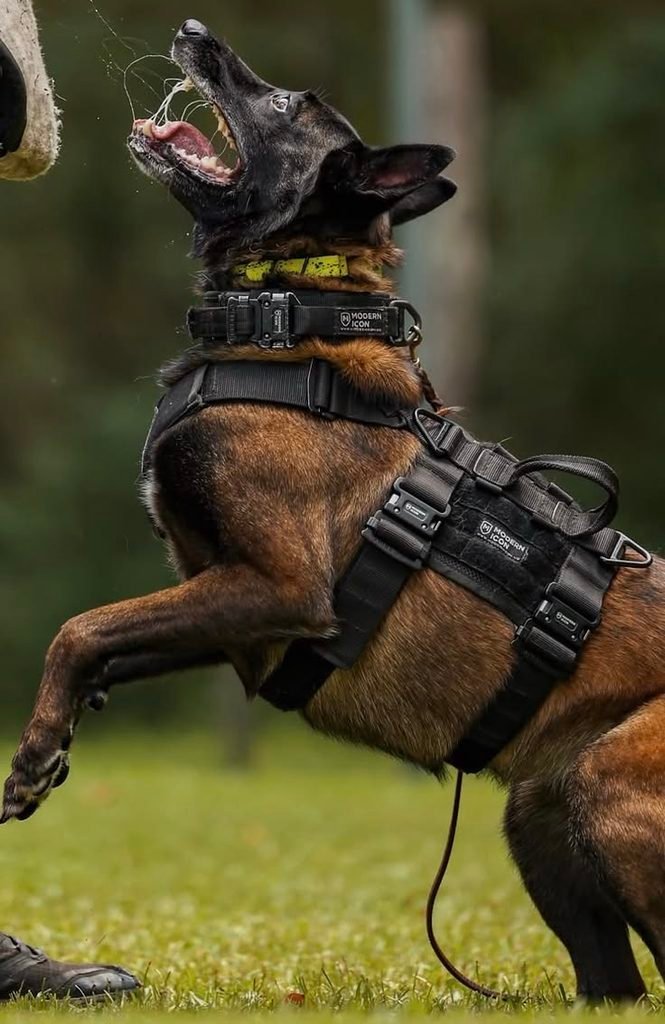
Step 3: How Do You Build Focus and Engagement?
Every other skill depends on the dog paying attention to you. Teach this first.
Teach a Marker Word
A marker tells the dog exactly which behavior earned the reward.
- Say “yes” (or click).
- Deliver a treat within 1 to 2 seconds.
- Repeat 10 times in a quiet room.
Teach Name Response and “Watch Me”
Say the dog’s name. When it looks at you, mark and reward. Then reward eye contact on cue. This becomes your tool for redirecting the dog around distractions later.
Keep sessions to 3 to 5 minutes for puppies. Several short sessions beat one long one.
Step 4: How Do You Teach Core Obedience Commands?
Teach commands in a quiet room first. Add distractions only after the dog succeeds about 8 times out of 10.
Sit and Down
Lure the dog into position with a treat, mark, and reward. Add the verbal cue once the dog performs the behavior reliably.
Place (Mat Training)
“Place” teaches the dog to settle on a mat on cue. It is useful for guests, meals, and vet waiting rooms.
- Reward the dog for stepping onto the mat.
- Reward for lying down on it.
- Add duration, then distance.
Loose-Leash Walking
Malinois are strong pullers if allowed to be. Stop moving when the leash tightens. Move forward when it relaxes, and reward at your side.
Begin in a low-distraction place such as your driveway before progressing to busier streets.
If you want a structured companion for these commands, Basic Obedience for the High-Drive Dog covers sit, stay, come, and heel for working breeds.
Step 5: How Do You Teach a Strong Recall?
Recall is the highest-priority safety skill for this breed. A fast dog with high prey drive can cover a large distance in seconds.
Build recall in this order:
- Indoors at 6 feet. Say the cue once, reward generously.
- Garden or yard. Increase distance gradually.
- Long line outdoors. Use the 30-foot line with mild distractions.
- Higher distractions. Practice near other dogs, still on the line.
Rules that protect your recall:
- Use one cue and say it once.
- Reward with the best treat or toy you have.
- Never call the dog to scold it or end the fun every time.
- Do not allow off-leash freedom in unfenced areas until recall is reliable.
Many handlers keep the long line on for months. That is normal and sensible.
Once your recall is solid on a long line, Advanced Obedience and Off-Leash Reliability is a logical next step for proofing it around distractions.
Step 6: How Do You Build Impulse Control and Manage Prey Drive?
High drive is useful when it is directed. Impulse control teaches the dog to wait for permission.
Core Exercises
- Wait at doors and before meals. The dog earns release by staying calm.
- Leave it. Reward the dog for ignoring a treat on the floor.
- Tug with rules. Start, drop, and wait cues keep play structured.
- Flirt pole sessions. A flirt pole or tug toy gives an outlet for chasing under your control.
Handling Mouthing and Nipping
Puppies explore with their mouths. When teeth touch skin, stop play for 10 to 20 seconds. Then redirect to a toy and reward gentle play.
If nipping becomes intense, or the dog starts snapping or guarding food, get a professional assessment early. See our page on aggressive dog training for what this involves.
Step 7: How Do You Meet a Malinois’s Exercise and Mental Needs?
Exercise alone is not enough. A physically tired but mentally under-stimulated Malinois is still restless.
Build a daily mix:
- Physical: running, hiking, fetch, swimming
- Mental: scent work, puzzle feeders, trick training, short obedience sets
- Calm: crate or mat time with a chew
Ten minutes of scent work can be more tiring than a longer walk. Rotate activities to avoid creating a dog that only relaxes after extreme workouts.
Teach the “off switch” deliberately. Reward the dog for lying down calmly, and extend the duration over time.
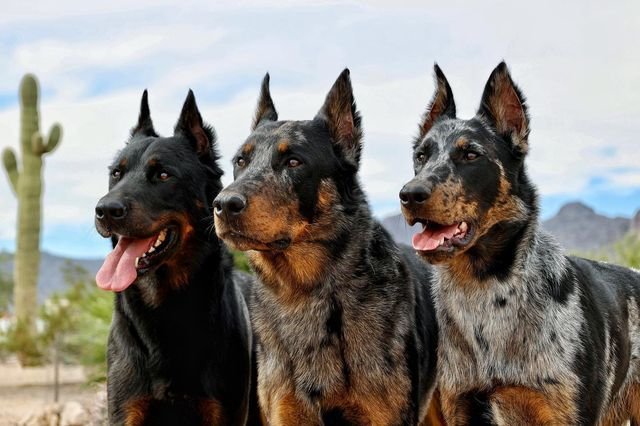
Can You Train an Adult or Rescue Belgian Malinois Dog?
Yes. You can train an adult Belgian Malinois dog, but the starting point is different. You are working with a dog that already has habits, fears, and a history you may not know.
Follow this order:
- Decompress for 2 to 4 weeks. Keep the routine quiet and predictable. Skip crowded places and new people.
- Watch before you test. Note what triggers excitement, fear, or guarding.
- Start with engagement. Teach the marker word and “watch me” before any obedience.
- Build structure. Use a mat, a crate, and a fixed daily schedule.
- Add skills slowly. Move on to recall and loose-leash walking once the dog is relaxed around you.
Progress can feel slow at first, then speed up once trust is in place. If the dog shows fear-based aggression or severe reactivity, work with a qualified behavior professional from the start.
How Do You Stop a Belgian Malinois From Biting, Chewing, and Barking?
Most unwanted behavior in this breed traces back to unmet needs. Check exercise, mental work, and rest before you blame the dog.
- Destructive chewing. Provide approved chews, rotate them, and use a crate or pen when you cannot supervise.
- Excessive barking. Identify the trigger first: boredom, alerting, or frustration. Then reward the pause between barks to teach a “quiet” cue.
- Jumping up. Turn away until all four paws are on the floor. Then reward.
- Herding behavior. Malinois may nip at heels or chase children. Redirect to a toy or a “place” cue, and supervise all interactions with kids.
Never answer these problems with yelling or physical punishment. In a sensitive, powerful breed, force can raise stress and make the behavior worse.
How Long Does It Take to Train a Belgian Malinois Dog?
Basic commands often take several weeks. Reliable obedience around distractions usually takes 12 to 18 months of ongoing work.
| Age | Focus | Session Length |
|---|---|---|
| 8 to 16 weeks | Socialization, crate, marker, name | 3 to 5 min |
| 4 to 6 months | Sit, down, place, early recall | 5 to 10 min |
| 6 to 18 months | Adolescent proofing, impulse control | 10 to 15 min |
| 18 months+ | Advanced skills, sports, maintenance | 15 to 20 min |
These are guidelines. Progress depends on the individual dog and your consistency.
What Are the Most Common Mistakes When Training a Belgian Malinois?
- Starting late. The socialization window closes fast.
- Using harsh corrections. Malinois are sensitive, and force can create fear or defensive behavior.
- Over-exercising without teaching calm. This builds stamina, not self-control.
- Inconsistent rules. If jumping works once, the dog will try again.
- Stopping at 6 months. Adolescence tests everything you taught.
When Should You Hire a Professional Trainer?
Seek help if you notice any of these:
- Persistent growling, snapping, or resource guarding
- Reactivity toward dogs or strangers
- Chasing that you cannot interrupt
- You are a first-time owner of a high-drive working breed
Choose a trainer with experience in herding or working breeds who uses positive reinforcement. If you are in Calgary, explore our dog training classes for structured group and private options.
Final Thoughts: How to Train a Belgian Malinois Dog Successfully
Knowing how to train a Belgian Malinois dog comes down to four habits: early socialization, short and consistent sessions, a reliable recall, and daily mental work. Start early, stay patient, and keep rules the same across the household.
This breed rewards owners who put in the effort. With the right plan, a Malinois becomes a focused, loyal partner.
Disclosure: this article contains affiliate links. We may earn a commission at no extra cost to you.
FAQ: How to Train a Belgian Malinois Dog
When should you start training a Belgian Malinois?
At 8 weeks old. Begin with socialization, crate training, and 3 to 5 minute sessions.
Is a Belgian Malinois hard to train?
They learn fast, but they are demanding. They need consistency, daily exercise, and experienced handling.
How long does it take to train a Belgian Malinois dog?
Basic commands take several weeks. Reliable obedience around distractions usually takes 12 to 18 months.
Can you train a Belgian Malinois yourself?
Yes, if you are consistent and informed. First-time owners benefit from at least one group class.
How many hours a day does a Belgian Malinois need to be active?
Typically 1.5 to 2 hours, including mental activity such as scent games and obedience practice.
Can you train an adult Belgian Malinois?
Yes. Start with management, structure, and basic engagement.
Why does my Belgian Malinois nip at my heels?
It is a herding instinct. Redirect to a toy, reward calm movement, and supervise play with children.
Are Belgian Malinois good for first-time owners?
Rarely. They suit owners who can commit to daily training, exercise, and mental work.