
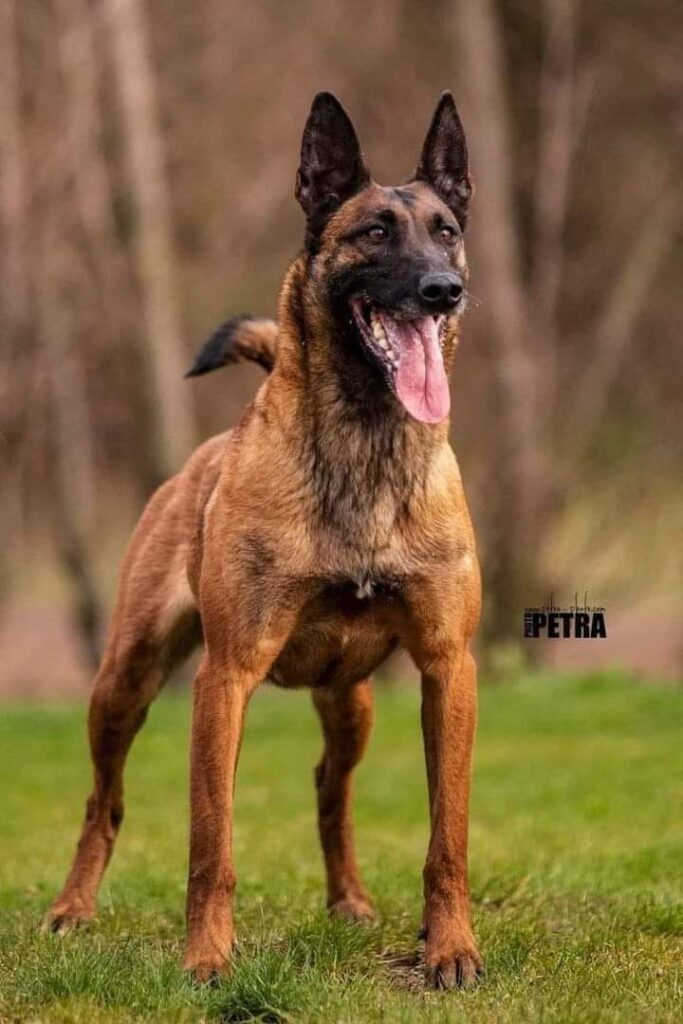
Your Belgian Malinois just destroyed your couch—again. The neighbors complained about the barking. Your morning walk turned into a wrestling match when another dog appeared. And it’s only 8 AM.
You’re exhausted, frustrated, and starting to wonder if bringing home one of the world’s most intense working dogs was a mistake.
Here’s the truth: You didn’t make a mistake. But you do need a different approach.
The Belgian Malinois isn’t just another dog. This is a breed engineered for military operations, police work, and elite protection sports. The same drive that makes them exceptional working dogs can make them incredibly challenging pets—if you don’t understand how to channel that energy properly.
I’ve spent years developing specialized training systems specifically for Belgian Malinois owners. Through 12 comprehensive training guides covering everything from puppy socialization to advanced protection work, I’ve helped thousands of owners transform their out-of-control Malinois into focused, reliable partners.
This guide will show you exactly how to train your Belgian Malinois at every life stage, address common behavioral problems, and give you a clear roadmap from puppy chaos to confident companion.
Understanding the Belgian Malinois Mind: Why They’re Different
Before we dive into training methods, you need to understand what makes the Malinois unique. This isn’t a Labrador with a different coat. This is a fundamentally different type of dog.
The “Never Turn Off” Problem
Most dogs have an off switch. They play, they work, they rest. The Belgian Malinois—especially working lines—operates at a constant state of readiness. According to the American Kennel Club’s breed profile, these dogs were specifically bred for intense work requiring constant vigilance. While your Golden Retriever naps peacefully, your Malinois is mentally cataloging every sound, movement, and potential threat in the environment.
This hyper-vigilance isn’t a flaw. It’s a feature. These dogs were bred to be aware, responsive, and ready to work at a moment’s notice. But in a home environment, this can manifest as:
- Constant pacing and inability to settle
- Reactivity to normal household noises
- Intense focus on windows, doors, and perimeters
- Destruction when understimulated
- Obsessive behaviors like shadow chasing or light fixations
Working Line vs. Pet-Style Genetics
There are essentially two types of Belgian Malinois breeders, and the difference matters enormously:
Working Line Malinois:
- Bred for military, police, and competition work
- Extremely high drive and intensity
- Require 3-4+ hours of work daily
- Often have sharper temperaments around strangers
- Not recommended for pet homes
- Cannot be left alone without extensive crate training
- May guard resources like toys, food, or space
Pet-Style Malinois:
- Bred with more manageable temperaments
- Still high-energy but have an off switch
- Better social tolerance around people and dogs
- Can adapt to family life with proper training
- Still need 1-2 hours of exercise plus mental work
- More forgiving of training mistakes
The Key Difference: Working lines never stop. They’re incredibly challenging to live with unless you’re a professional trainer or handler. Pet-style Malinois are still intense but considerably more manageable for dedicated owners.
What Both Types Have in Common
Regardless of breeding:
- Intelligence: They learn incredibly fast—both good and bad behaviors
- Drive: They need a job, a purpose, something to focus their energy on
- Loyalty: They bond intensely with their primary handler
- Sensitivity: Harsh corrections can create anxiety and reactivity
- Athleticism: They’re capable of 6-foot vertical jumps and incredible endurance
- Persistence: What they start, they finish—whether that’s a training session or destroying a crate
Common Owner Mistakes
Most behavioral problems with Belgian Malinois stem from these fundamental misunderstandings:
- Treating them like normal dogs – Standard pet dog training often fails because it doesn’t address their working drive
- Physical exhaustion focus – A tired dog is a good dog doesn’t apply here; mental stimulation matters more
- Inconsistent boundaries – They need crystal-clear rules. Inconsistency creates anxiety and testing behaviors
- Insufficient structure – Free-roaming privileges before age 3-4 often lead to destructive behaviors
- Dog park socialization – Most Malinois do poorly in chaotic, unstructured dog interactions
- Punishment-based training – Creates reactivity and damages the bond with this sensitive breed
The Training Mindset Shift
Successful Malinois training requires thinking less like a pet owner and more like a handler:
- You’re not suppressing their drive—you’re channeling it
- You’re not commanding obedience—you’re building a working partnership
- You’re not just preventing problems—you’re giving them appropriate outlets
- You’re not waiting for maturity—you’re actively shaping behavior from day one
Now that you understand the Malinois mindset, let’s dive into the specific training approach for each life stage.
Age-Based Training Roadmap: From Puppy to Partner
The Belgian Malinois develops rapidly, and your training priorities must shift with each phase. Here’s exactly what to focus on at each stage.
8-16 Weeks: The Critical Foundation Phase
This is the most important period in your Malinois’s life. What happens in these eight weeks will shape their adult temperament more than any other factor. The American Veterinary Medical Association emphasizes that this critical socialization window closes around 16 weeks, making early exposure essential.
Priority 1: Controlled Socialization
Forget what you’ve heard about dog parks and puppy playdates. Belgian Malinois socialization is about quality, not quantity.
What proper socialization looks like:
- Controlled exposure to people: Invite calm, dog-savvy friends over. Let the puppy approach them, not the reverse. Reward calm investigation, not jumping or mouthing
- Varied environments: Parking lots, hardware stores, quiet downtown streets. Start with low-stimulation environments and gradually increase complexity
- Surface exposure: Grass, concrete, metal grates, stairs, wobbly surfaces. This builds body confidence
- Sound conditioning: Vacuum cleaners, dishwashers, traffic, sirens. Start at low volume and reward calm responses
- Handling exercises: Touch paws, ears, mouth, tail. This is critical for vet visits and grooming
What to avoid:
- Dog parks (too chaotic, too many bad experiences possible)
- Overwhelming environments before 12 weeks
- Forced interactions that create fear
- Uncontrolled play with adult dogs
- Situations where your puppy cannot escape or retreat
The goal isn’t to expose your puppy to everything. The goal is to teach them that new experiences are safe, manageable, and often rewarding.
📚 Want a complete roadmap? Our Malinois Puppy Socialization Guide includes week-by-week socialization schedules, common mistakes to avoid, and how to recognize and prevent fear periods.
Priority 2: Crate Training
Belgian Malinois should be crate trained until at least 3-5 years old. This isn’t punishment—it’s management and safety.
Why crate training matters for this breed:
- Prevents destructive behaviors when unsupervised
- Creates a safe den space for decompression
- Essential for house training success
- Teaches impulse control and calmness
- Makes travel and vet visits easier
How to introduce the crate:
- Make it positive: Feed all meals in the crate with door open
- Start short: Close door for 30 seconds while you’re present
- Build duration gradually: Add 10-15 seconds each session
- Ignore protest: Brief whining is normal; don’t reward it with attention
- Create routine: Use the same verbal cue every time
Crate schedule for puppies:
- Every 2-3 hours during the day
- After meals, play sessions, and excitement
- Overnight (8-10 hours for older puppies)
- Never longer than age in months plus one hour during the day
Common mistake: Owners cave to whining and let the puppy out, teaching them that protest works. Brief protest is normal. Extended, frantic distress requires reassessment.
Priority 3: Bite Inhibition
Malinois puppies have incredibly strong jaws even at 8 weeks. Teaching gentle mouth control now prevents serious injury later.
The bite inhibition process:
Stage 1: Reduce bite pressure
- When puppy bites hard, yelp sharply and withdraw attention for 5-10 seconds
- Resume play only when calm
- Repeat consistently every single time
Stage 2: Reduce bite frequency
- Once bites are softer, start withdrawing attention for ANY teeth-on-skin contact
- Redirect to appropriate toys immediately
- Reward heavily when they choose toys over hands
Stage 3: No teeth on humans
- By 16 weeks, all teeth-on-skin should result in immediate end of interaction
- Provide appropriate outlets: tug toys, chew bones, frozen Kongs
Time-outs when needed:
- If puppy becomes overstimulated and biting escalates
- Place in crate or behind a baby gate for 2-3 minutes
- This is not punishment—it’s impulse control training
The Malinois is a mouthy breed by nature. Channel this into tug games and appropriate play rather than trying to eliminate the behavior completely.
Priority 4: Early Obedience Foundations
Start simple command training immediately, but keep sessions ultra-short (3-5 minutes).
Essential first commands:
Name recognition: Say their name, reward when they look at you. This is the foundation of all recall training.
Sit: Hold treat above nose, move back slightly. Bottom hits ground, reward immediately. Add verbal cue once behavior is consistent.
Down: From sit, lower treat to ground between paws. Reward as elbows touch down.
Come: Start indoors with zero distractions. Crouch, open arms, enthusiastic tone. Massive reward when they arrive.
Leave it: Show treat in closed hand. Wait for puppy to stop pawing/mouthing. Mark and reward with different treat. This builds impulse control.
Key principle: Keep it fun. High-drive puppies learn fast but also burn out fast. End every session on success while they still want more.
Priority 5: House Training
Malinois are typically easy to house train due to their intelligence and desire to please, but consistency is everything.
The foolproof schedule:
- First thing in the morning
- After every meal (15-20 minutes)
- After every nap
- After play sessions
- Before bed
- Every 2-3 hours in between
The process:
- Take puppy to the same spot every time
- Use a verbal cue (“go potty”)
- Wait patiently (5-10 minutes if needed)
- Reward IMMEDIATELY after elimination
- Allow brief play/exploration as bonus reward
When accidents happen:
- Clean thoroughly with enzyme cleaner
- Do NOT punish (they won’t understand)
- Ask yourself: Did I miss a signal? Did I wait too long?
- Adjust schedule accordingly
Most Malinois puppies are reliably house trained by 4-5 months if you follow this protocol consistently.
4-8 Months: Building Blocks Phase
Your puppy is growing fast—physically and mentally. This phase is about building solid obedience while managing adolescent energy.
Expanding Obedience Training
Now you build on those foundation commands with duration, distance, and distractions.
Advanced sits and downs:
- Add duration: Work up to 30-second stays
- Add distance: Practice 10-15 feet away
- Add distractions: Train with household activity happening
- Practice in new locations weekly
Leash walking foundation:
Start with simple leash pressure exercises indoors:
- Apply gentle leash pressure to the side
- The moment puppy moves toward pressure, release and reward
- This teaches them to yield to leash guidance
Loose leash walking progression:
- Start in boring areas (your driveway, quiet street)
- Walk 10 steps, reward attention and loose leash
- When they pull, immediately stop and become a tree
- Resume only when leash relaxes
- Change direction frequently to maintain attention
The Malinois will pull hard if you let them. Establish the rule now: tension in leash means we stop moving.
Recall training escalation:
This is life-or-death important for this breed:
- Practice in fenced areas only at this age
- Use long line (20-30 feet) for practice
- Call once, then reel them in if they don’t respond
- Reward massively when they come
- Never call them for something unpleasant (nail trims, baths, crate)
- Add distractions gradually: toys on ground, another person, other dogs at distance
Common challenge: Malinois at this age become independent and start testing boundaries. Stay consistent and keep training rewards high-value.
📚 Need structured obedience progressions? Our Basic Obedience for High-Drive Dogs guide includes marker training systems, engagement techniques, and week-by-week training progressions specifically designed for working breeds.
Impulse Control Games
This is where Belgian Malinois training differs dramatically from standard dog training. Impulse control exercises are essential for this breed.
Exercises to practice daily:
Wait at doors: Dog must sit and wait while door opens. Release with “okay” before they go through. This prevents door-bolting and builds self-control.
Wait for food bowl: Hold bowl above dog. They must sit calmly before bowl is placed. Add duration gradually.
Tug with rules: Play tug, then say “drop it.” Reward when they release. This teaches them to release drive on command.
Place command: Send dog to mat or elevated platform. They must stay until released. Build up to 10+ minute duration.
Settle protocol: Practice having your dog lie calmly beside you while you watch TV, work, or read. Reward heavily for stillness.
These exercises aren’t just obedience—they’re teaching your Malinois to regulate their arousal level, which is the key to a manageable adult dog.
📚 Struggling with an overexcited, never-settling Malinois? Our Impulse Control and Calmness Training guide provides science-backed protocols to transform hyperactivity into focused discipline.
Exercise and Mental Stimulation
At this age, your Malinois needs structured activity, not just free play in the yard.
Daily requirements:
- 30-45 minutes of structured exercise (walking, fetch, tug)
- 15-20 minutes of training sessions (broken into 3-5 minute intervals)
- 30+ minutes of mental enrichment (puzzle toys, scent games, chews)
Mental stimulation activities:
Find it games: Hide treats around house, send dog to search. This engages their scenting ability and provides mental work.
Trick training: Teach shake, spin, bow, roll over. Short sessions build focus and engagement.
Food puzzles: Kongs, snuffle mats, puzzle feeders. Make them work for meals.
Obedience in new places: Practice sits and downs at the park, hardware store, friend’s house. Novel environments increase difficulty.
Remember: Mental work tires a Malinois more than physical exercise. Research on canine enrichment demonstrates that cognitive challenges provide more effective mental fatigue than physical exercise alone. A 15-minute training session can be more effective than a 2-hour hike.
Preventing Leash Reactivity
Many Malinois develop leash reactivity between 6-12 months if not addressed proactively.
Prevention strategies:
Create positive associations: When dogs or people appear, immediately start feeding high-value treats. Stop when trigger disappears. This builds positive emotional response.
Maintain distance: Work at a distance where your dog notices but doesn’t react. Gradually decrease distance over weeks.
Teach an incompatible behavior: Ask for focus, sits, or heel when triggers appear. Reward heavily for compliance.
Avoid flooding: Don’t force close interactions with triggers. This creates fear and escalates reactivity.
Stay calm: Your Malinois reads your tension. Tight leash, anxious energy, and nervous corrections teach them that triggers are dangerous.
If reactivity is already developing, address it immediately. This problem gets worse with practice, not better.
📚 Already dealing with leash lunging or aggression? Our Managing Leash Reactivity and Aggression guide provides proven counter-conditioning protocols and emergency management strategies.
8-18 Months: The Adolescent Challenge
Welcome to the teenage phase. Your sweet puppy may become defiant, selective with listening, and test every boundary you’ve established.
This is normal. This is temporary. This is where many owners give up or develop permanent behavioral problems through inconsistent handling.
Maintaining Consistency Through Adolescence
Your Malinois will test whether rules still apply. Your job is to prove they absolutely do.
Common adolescent behaviors:
- Ignoring previously reliable commands
- Increased reactivity to dogs, people, or stimuli
- Mounting behaviors (even in females)
- Increased independence and wandering
- Testing boundaries around food, toys, space
- Selective hearing on recall
Your response:
Go back to basics: If recall is failing, back to long-line training. If sits are sloppy, retrain with rewards.
Increase management: Less freedom, more structure. Back to supervised time only if needed.
Higher value rewards: Adolescent dogs need better motivation. Upgrade treats.
More mental work: Boredom fuels testing. Increase training complexity.
Remain calm and consistent: Frustration makes training worse. Adjust expectations but maintain standards.
Advanced Obedience
Now you’re building towards reliable off-leash control.
Distance work:
- Practice commands from 20-30 feet away
- Send to “place” from across the room
- Down your dog from a distance while they’re moving
Duration challenges:
- 2-3 minute sit-stays
- 5+ minute down-stays
- Maintain position while you move around them
Distraction proofing:
- Practice with toys on the ground
- Train with other dogs in the environment (at distance initially)
- Work in busy public areas
- Have family members create distractions
Emergency recall training:
- Use a different cue than regular “come” (like “here” or whistle)
- Practice with long line in fenced area
- Use highest-value rewards (roast chicken, steak, cheese)
- Only use in actual emergencies or practice
- Never poison it by calling for unpleasant things
The goal is a Malinois that responds immediately, every time, in any environment. This takes hundreds of repetitions with gradually increasing difficulty.
Dealing with Adolescent Reactivity
Many Malinois become more reactive during adolescence as fear periods hit and adult vigilance develops.
What you might see:
- Barking at people or dogs who previously didn’t bother them
- Stiffness and intensity when triggers appear
- Defensive posturing or lunging
- Increased arousal that takes longer to come down
Management strategies:
Maintain distance from triggers: Work under threshold where your dog can still think and respond.
Pattern interrupt: When you see a trigger, immediately engage in rapid-fire easy commands (sit-down-sit-down) with high-rate rewards.
Controlled exposures: Set up training scenarios with helper dogs/people at appropriate distances.
Avoid reactive rehearsal: Every reaction makes the next one more likely. Prevent practice of unwanted behavior.
Consider professional help: If reactivity is escalating or involves aggression, work with a qualified trainer experienced with working breeds.
Physical Exercise Evolution
Your adolescent Malinois needs more structured athletic work now.
Appropriate activities:
- Structured fetch sessions (3-5 minutes of high-intensity chase)
- Tug games with rules (take it, drop it, out commands)
- Beginning agility obstacles (jumps, tunnels, platforms)
- Hiking with backpack (builds working purpose)
- Flirt pole work (prey drive satisfaction)
- Swimming if available (excellent joint-friendly cardio)
What to avoid:
- Repetitive jumping (growth plates not closed until 18 months)
- Long-distance running on hard surfaces
- High-impact sports (dock diving, hard-surface agility)
- Unsupervised fence-running and barrier frustration
Exercise guidelines:
- 60-90 minutes total daily (broken into sessions)
- Mix high-intensity and low-intensity
- Always warm up and cool down
- End training sessions before exhaustion
18+ Months: Advanced Training and Specialization
Your Malinois is now physically mature (though mentally they may not fully mature until 3-4 years). This is when you can pursue advanced work.
Off-Leash Reliability
This is the goal most Malinois owners dream of—total freedom and control without a leash.
Before you start off-leash work:
- Solid recall in all environments with long line
- Reliable obedience with distractions present
- Strong focus and engagement with handler
- No prey chase issues or dog reactivity
Progressive off-leash training:
Step 1: Drag line
- 6-foot leash dragging from collar
- Practice recalls and commands
- Dog has freedom but you can step on line if needed
Step 2: Long line to nothing
- Attach 30-foot line but don’t hold it
- Let dog work at distance
- Only grab if emergency
Step 3: Off-leash in enclosed space
- Fenced areas only initially
- Practice all commands extensively
- Introduce distractions gradually
Step 4: Real-world off-leash
- Start in low-distraction areas
- Keep sessions short initially
- Reward every recall heavily
- Return to long line if reliability decreases
Critical rules:
- Never off-leash near roads until 100% reliable
- Not all Malinois should be off-leash (high prey drive, reactivity)
- Always have emergency recall trained
- Off-leash is a privilege that can be revoked
📚 Want professional-level off-leash training methods? Our Advanced Obedience and Off-Leash Reliability guide includes distance control techniques, distraction-proofing protocols, and handler secrets for achieving rock-solid reliability.
Introduction to Working Disciplines
Belgian Malinois excel in specialized work. Giving them a job dramatically improves behavior and fulfillment.
Protection Sports:
Includes IPO, IGP, PSA, and French Ring. These sports test obedience, tracking, and protection work.
What it provides:
- Structured outlet for drive
- Deep bond with handler
- Physical and mental challenge
- Competitive goals
Getting started:
- Find experienced protection sport club
- Must have solid obedience foundation first
- Requires proper equipment and helper/decoy
- Not appropriate for fear-aggressive dogs
📚 Interested in protection work? Our Introduction to Protection Sports guide covers drive development, bite work foundations, and choosing the right sport for your Malinois.
Agility Training:
Speed, precision, and teamwork over obstacle courses.
Benefits:
- Excellent physical conditioning
- Builds confidence
- Strengthens communication
- Fun competition outlet
Requirements:
- Body awareness and control
- Solid obedience foundation
- Physical fitness
- Handler timing and coordination
📚 Ready for agility? Our Advanced Agility and Obstacle Course Training guide provides step-by-step obstacle mastery, course handling strategies, and troubleshooting techniques.
Scent Work:
Utilizing the Malinois’s incredible nose for detection work.
What it includes:
- Odor recognition and detection
- Container searches
- Area searches
- Competitive nose work
Why Malinois excel:
- Bred for scent detection
- Incredible focus and drive
- Natural problem-solvers
- Tireless work ethic
📚 Tap into your Malinois’s natural abilities: Our Scent Work and Nose Games guide teaches foundation scent training, advanced detection challenges, and daily enrichment games.
Living with an Adult Malinois
By this age, with proper training, your Malinois should be:
- Reliably house trained
- Calm in the home when needs are met
- Responsive to obedience commands
- Manageable on leash
- Socially neutral (doesn’t need to greet everyone)
- Able to settle and relax
Ongoing maintenance:
- Continue training 10-15 minutes daily
- Provide consistent exercise and mental work
- Maintain structure and boundaries
- Regular engagement through play, work, or sport
- Annual obedience refreshers
Realistic expectations:
Even well-trained adult Malinois:
- Remain high-energy and need daily exercise
- Should still be crated when alone until 3-5 years
- May never be trustworthy with small animals
- Will always be vigilant and alert
- Need continued mental stimulation
- Require experienced, consistent leadership
Training Methods That Actually Work for Belgian Malinois
Generic dog training methods often fail with this breed. Here’s what works specifically for the Malinois temperament.
Positive Reinforcement with Drive Channeling
The Malinois doesn’t just want treats—they want to work, chase, tug, and engage.
Effective rewards for this breed:
Food: High-value proteins (chicken, steak, cheese, hot dogs) for training. Kibble for easy behaviors.
Toys: Tug toys are gold. Ball for focused drive dogs. Flirt pole for prey drive satisfaction.
Play: Brief tug session as reward for obedience sequence. This is often more motivating than food.
Work itself: For true working-line dogs, the opportunity to work IS the reward.
Praise and engagement: Your attention and enthusiasm. Many Malinois work hardest for handler approval.
The key: Match the reward to the task difficulty. Easy command = kibble. Perfect recall under distraction = epic tug session.
Marker Training and Timing
Malinois learn so fast that timing is critical.
Using a marker (clicker or “yes”):
- Behavior happens
- Mark instantly (within 0.5 seconds)
- Deliver reward
The marker captures the exact moment of the correct behavior.
Why this matters for Malinois:
- They offer behaviors rapidly
- They try multiple solutions
- Precise timing shows them exactly what earned reward
- Builds speed and enthusiasm
Common mistake: Marking after behavior is complete instead of during. This creates confusion about what’s being rewarded.
Why Punishment Fails with This Breed
Belgian Malinois are sensitive, intense, and incredibly smart. Punishment-based training creates more problems than it solves.
What happens with harsh corrections:
- Fear and anxiety develop
- Reactivity increases (redirected aggression)
- Bond with handler deteriorates
- Dog becomes hesitant and shutdown
- Aggression may emerge as defense mechanism
Better approach:
- Prevention through management
- Redirection to appropriate outlets
- Positive reinforcement of correct behaviors
- Time-outs for overstimulation (not punishment)
- Consistency without harshness
The principle: Guide, don’t force. Channel, don’t suppress. Reward heavily, correct minimally.
Exercise Before Training (But Not How You Think)
The traditional advice is “tire them out first.” This is partially wrong for Malinois.
The truth:
- Light to moderate exercise before training improves focus
- Exhaustive exercise before training decreases focus
- Mental work is more tiring than physical work
- The best formula: brief physical warm-up → training session → reward with play
Ideal pre-training routine:
- 10-15 minute walk or fetch
- Let them relieve themselves
- Brief settle period (5 minutes)
- Begin training while still mentally fresh
Post-training routine:
- Reward session with play or additional exercise
- This teaches them that training leads to good things
- Maintains high motivation for next session
The Power of Structure and Routine
Malinois thrive on predictability and clear expectations.
Daily structure example:
- 6:30 AM: Wake, potty, breakfast
- 7:00 AM: Training session (10 minutes)
- 7:15 AM: Exercise (30-45 minutes)
- 8:00 AM: Crate rest while you work
- 12:00 PM: Potty, lunch, brief play
- 12:30 PM: Mental enrichment (Kong, puzzle)
- 1:00 PM: Crate rest
- 5:00 PM: Evening training session
- 5:30 PM: Exercise and play
- 7:00 PM: Calm time with family
- 10:00 PM: Final potty, crate for night
Why structure matters:
- Reduces anxiety (they know what’s coming)
- Prevents boredom destruction
- Creates natural training opportunities
- Establishes you as leader and provider
Flexibility within structure: Keep timing roughly consistent but adapt based on energy levels and needs.
Common Behavioral Problems and Solutions
Even with excellent training, challenges arise. Here’s how to address the most common Belgian Malinois behavioral issues.
Separation Anxiety
Belgian Malinois form intense bonds and can develop crippling anxiety when left alone.
Signs of separation anxiety:
- Destructive behavior within minutes of departure
- Frantic attempts to escape crate or rooms
- Excessive vocalization
- Self-injury (broken teeth, bloody paws)
- Elimination despite being house trained
- Hypersalivation or panting
Why Malinois are prone:
- Bred to work alongside humans constantly
- Form strong single-person bonds
- High intelligence means they anticipate departures
- Sensitivity to routine changes
Treatment protocol:
Step 1: Desensitization to departure cues
- Pick up keys randomly throughout day without leaving
- Put on shoes/coat, then don’t leave
- Open and close door repeatedly
- These cues no longer predict departure
Step 2: Building alone-time tolerance
- Start with 30 seconds out of sight
- Return before anxiety begins
- Gradually increase duration: 1 min, 2 min, 5 min
- Practice dozens of departures daily at varying durations
Step 3: Counter-conditioning
- Alone time predicts good things
- Provide special treats/toys only when alone (frozen Kong)
- Leave crate area extra comfortable
- Use calming music or white noise
Step 4: Management during training
- Don’t leave beyond current threshold
- Have dog walker or daycare during work hours
- Never punish anxiety behaviors
- Consider crate training if not already done
Timeline: Severe separation anxiety can take 3-6 months to resolve. Consistency is critical.
📚 Dealing with panic when you leave? Our Separation Anxiety Solutions guide provides step-by-step desensitization plans, enrichment strategies, and advanced techniques for building independence.
Leash Reactivity and Aggression
One of the most common and stressful problems with Belgian Malinois.
Types of leash reactivity:
Fear-based: Dog appears aggressive but is actually scared. Wants to increase distance from trigger.
Frustration-based: Dog wants to greet or investigate but leash prevents it. Creates barrier frustration.
Protective/territorial: Dog perceives handler or space as needing defense.
Predatory: High prey drive directed at small dogs, cats, or moving objects.
The treatment approach:
Identify triggers and threshold distance:
- At what distance does your dog notice but not react?
- This is your starting training distance
- Work there until reliable, then decrease distance
Counter-conditioning protocol:
- Trigger appears → Immediately begin feeding high-value treats continuously
- Trigger disappears → Stop feeding
- Dog learns: trigger predicts amazing food
Engage-disengage game:
- Reward when dog looks at trigger calmly
- Reward even more when dog voluntarily looks back at you
- Builds choice to focus on handler instead of trigger
Create distance when needed:
- U-turn away before reactions happen
- Cross street proactively
- Use “let’s go” cue to change direction quickly
Emergency management:
- If surprised by trigger, rapid-fire easy commands (sit-sit-sit)
- Move away while maintaining engagement
- Reward heavily for any compliance
What NOT to do:
- Force close interactions (“they need to get used to it”)
- Correct or punish reactive displays
- Flood dog with overwhelming exposure
- Tight leash and tense handling (transfers anxiety)
Training sessions:
- 2-3 times daily, 10-15 minutes each
- Work at threshold distance only
- End on success
- Progress takes weeks to months
📚 Reactivity getting worse instead of better? Our Leash Reactivity and Aggression Guide includes trigger identification, pattern games, handler mechanics, and emergency protocols specifically for high-drive working breeds.
Destructive Behavior and Chewing
Belgian Malinois can cause thousands of dollars in damage when bored, anxious, or understimulated.
Root causes:
- Insufficient mental stimulation
- Separation anxiety
- Teething (puppies 4-8 months)
- Boredom and excess energy
- Lack of appropriate chew outlets
Prevention strategies:
Provide appropriate outlets:
- Rotating selection of chew toys (Kongs, Nylabones, bully sticks)
- Frozen Kongs with wet food or peanut butter
- Antlers, yak chews, or other long-lasting options
- Puzzle feeders that make them work for food
Management:
- Crate when unsupervised until at least 3 years old
- Baby gates to limit access to rooms
- Remove high-value targets (shoes, remotes, pillows)
- Bitter apple spray on furniture legs
Increase exercise and mental work:
- Add 15-30 minutes daily exercise
- More training sessions throughout day
- Scent games and nose work
- Food puzzles instead of bowl feeding
Catch them doing right:
- Heavily reward when chewing appropriate items
- Provide chews proactively before they seek inappropriate items
- Redirect to appropriate toy when they pick up wrong item
For teething puppies:
- Keep multiple frozen washcloths available
- Ice cubes to chew
- Frozen carrots
- Extra patience during this phase
Important: Never punish after-the-fact destruction. The dog won’t connect punishment to crime. Focus on prevention and management.
Excessive Barking
Malinois are naturally vocal, but excessive barking can damage neighbor relationships.
Types of barking:
Alert barking: Notifying you of perceived threats (people passing, sounds, movement)
Demand barking: Wanting attention, play, food, or to go outside
Boredom barking: Understimulation or long periods alone
Barrier frustration: Barking at things they can’t reach (through window or fence)
Solutions by type:
For alert barking:
- Teach “quiet” command: Bark once, say “thank you, quiet,” reward silence
- Management: Close blinds, use white noise to mask outside sounds
- Desensitize to common triggers through controlled exposure
For demand barking:
- Never reward barking with what they want
- Wait for silence (even 2 seconds), then reward
- Teach alternative behavior (sit politely to ask for things)
For boredom barking:
- Increase daily mental and physical exercise
- Provide enrichment during alone time
- Consider doggy daycare or walker
- More frequent but shorter alone periods
For barrier frustration:
- Block visual access to triggers (frosted window film)
- Redirect to incompatible behavior (go to place, down-stay)
- Train calm behavior around triggers at distance
Training the “quiet” command:
- Wait for natural pause in barking
- Mark and reward silence immediately
- Gradually increase duration of required silence
- Add verbal cue “quiet” once behavior is reliable
- Practice with increasing trigger intensity
Resource Guarding
Some Malinois guard food, toys, spaces, or even people. This requires careful management.
Warning signs:
- Stiffening when approached while eating or with toy
- Whale eye (showing whites of eyes)
- Eating faster when you approach
- Growling, snapping, or biting when item is threatened
Safety first approach:
Never punish guarding behavior – This escalates to biting without warning
Management:
- Feed in separate room or crate away from people/pets
- Pick up toys when not supervised
- Don’t approach when dog has high-value items
- Teach “drop it” and “leave it” with low-value items first
Counter-conditioning protocol:
Step 1: Building positive associations
- Walk past dog’s food bowl while eating
- Toss high-value treat in as you pass
- Dog learns: humans near food bowl = better food appears
Step 2: Hand feeding exercises
- Hand feed portion of meals
- Builds positive association with hands near food
- Do this away from regular feeding area initially
Step 3: Trading up
- When dog has low-value toy, offer high-value treat
- Exchange treat for toy
- Return toy immediately
- Dog learns: giving things to humans = good stuff happens
Step 4: Gradual progression
- Work with increasingly valuable items
- Never push past comfort level
- Professional help needed for severe cases
When to get professional help:
- Any biting incidents
- Guarding that’s escalating
- Multiple resources being guarded
- Children in the home
Jumping on People
Belgian Malinois are powerful and a jumping dog can injure people, especially children or elderly.
Why they jump:
- Excitement and greeting behavior
- Attention-seeking (even negative attention rewards it)
- Successful in the past (got attention or affection)
The solution:
Remove all reinforcement:
- Turn away when dog jumps
- Cross arms, no eye contact, no talking
- Leave room if necessary
- Only give attention when four paws are on floor
Teach incompatible behavior:
- Reward sits for greeting
- Practice “four on the floor” rule consistently
- Have guests participate in training
Management:
- Use leash during greetings to prevent jumping
- Tether dog during guest arrivals
- Reward calm behavior heavily
Training protocol:
- Approach dog calmly
- If they jump, turn and walk away immediately
- Return and try again
- Reward the instant four paws hit ground
- Repeat 10-20 times per session
Important: Everyone must be consistent. One person allowing jumping undermines all training.
Mouthing and Nipping
Adult Malinois who mouth can cause bruising and injury even without aggressive intent.
Acceptable mouthing:
- Puppies under 5 months during teething
- Gentle mouthing during play with appropriate rules
Unacceptable mouthing:
- Hard pressure at any age
- Mouthing arms, legs, clothing
- Unable to control intensity
- Mouthing that escalates
Elimination protocol:
Step 1: Teach bite inhibition (see puppy section above)
Step 2: Remove all reinforcement
- All teeth on skin = immediate end of interaction
- Stand up, turn away, ignore for 30 seconds
- Resume interaction only when calm
Step 3: Redirect to toys
- Have toy ready for play sessions
- Direct play drive toward appropriate items
- Tug games with rules (take it, drop it)
Step 4: Teach self-control
- Play calmer games (fetch with sits between throws)
- Work on impulse control exercises
- Avoid overstimulation that triggers mouthing
For arousal-based mouthing:
- Recognize warning signs (getting overly excited)
- Take breaks before threshold is reached
- Practice calm behaviors between excitement
Beyond Basic Obedience: Specialized Training
Belgian Malinois need more than basic pet dog training. Here are advanced outlets that provide fulfillment and purpose.
Urban Living with a Malinois
Living in a city with a high-drive working dog presents unique challenges and opportunities.
Urban challenges:
- Limited space for exercise
- High-stimulation environment
- Close quarters with neighbors
- Noise sensitivity concerns
- Lack of secure off-leash areas
Solutions and adaptations:
Exercise creativity:
- Find rooftop dog parks or private facility rentals
- Morning/late night walks when streets are quieter
- Indoor fetch in hallways or large rooms
- Treadmill training for physical exercise
- Stair climbing for conditioning
Mental stimulation focus:
- Scent work and nose games in apartment
- Trick training sequences
- Food puzzles and slow feeders
- “Find it” games throughout apartment
- Urban agility (stairs, curbs, benches)
Socialization opportunities:
- Controlled greetings with dog-savvy friends
- Window watching with calm behavior training
- Café training (sitting calmly outside restaurants)
- Public transport practice
- Exposure to urban sounds (construction, sirens, crowds)
Building neutrality:
- Train your dog to ignore stimuli, not greet everything
- Reward calm observation without reaction
- Practice “just passing by” exercises
- Focus on handler engagement over environment
📚 City dweller? Our Urban Malinois Guide covers apartment living strategies, creative exercise solutions, urban training skills, and managing high-drive dogs in tight spaces.
Scent Work and Nose Games
Tapping into your Malinois’s incredible olfactory abilities provides profound mental stimulation.
Why scent work is perfect for Malinois:
- Engages natural abilities
- Mentally exhausting (20 minutes = 2-hour walk)
- Builds confidence
- Appropriate for all ages and fitness levels
- Can be done indoors or outdoors
Beginning scent games:
Find it:
- Hide treats around room while dog watches
- Release to search
- Gradually hide treats while dog is out of sight
- Increase difficulty of hiding spots
Which hand:
- Hold treats in closed fists
- Let dog sniff and indicate correct hand
- Reward from that hand
- Teaches active scenting vs guessing
Container search:
- Line up boxes, one contains treats
- Dog must sniff and indicate correct box
- Gradually increase number of boxes
- This is foundation for formal detection work
Scent trails:
- Drag treat along ground creating path
- Dog follows scent trail to reward
- Increase distance and complexity over time
Advanced applications:
- K9 Nose Work competition
- Search and rescue foundation
- Detection work (narcotics, explosives for working dogs)
- Truffle hunting
- Shed antler hunting
📚 Want to unlock your Malinois’s natural detection abilities? Our Scent Work and Nose Games guide includes foundation training, competition preparation, and daily enrichment activities.
Building Bond Through Play and Engagement
The strongest training tool you have is your relationship with your Malinois.
Why bond matters:
- Increases training motivation
- Improves recall reliability
- Reduces anxiety behaviors
- Creates willing partnership vs forced compliance
Play as training tool:
Structured tug:
- Teaches take it and drop it commands
- Satisfies prey drive appropriately
- Builds engagement with handler
- Can be used as reward in training
Rules for tug:
- You initiate and end game
- Dog must drop on command
- Accidental teeth on hands = game ends
- Keep sessions brief (3-5 minutes)
Fetch with purpose:
- Dog must sit before throw
- Bring back and release toy
- Teaches impulse control within play
- Incorporates obedience naturally
Flirt pole work:
- Pole with toy attached to rope
- Dog chases moving target
- Teaches prey drive control
- Great physical workout
Communication enhancement:
Reading your dog:
- Stress signals (lip licking, yawning, whale eye)
- Arousal levels (panting, pacing, inability to focus)
- Calming signals (turning away, sniffing ground)
- Understanding prevents miscommunication
Clear handler communication:
- Consistent verbal cues
- Clear body language
- Timing of rewards
- Predictable consequences
Shared experiences:
- Hiking together
- Training new skills
- Competition participation
- Car rides and adventures
- Simply being present together
📚 Want to deepen your connection? Our Building a Stronger Bond guide covers play strategies, communication mastery, and creating unbreakable handler-dog partnerships.
Protection Sports Introduction
Many Malinois owners are drawn to protection sports like IPO, PSA, or French Ring.
What protection sports test:
- Obedience under high arousal
- Tracking and scent discrimination
- Protection work (controlled biting)
- Handler control and teamwork
Is protection training right for your dog?
Good candidates:
- Confident, social temperament
- Strong toy/prey drive
- Good obedience foundation
- Handler-focused
- No fear-based aggression
Poor candidates:
- Fear-aggressive dogs
- Reactive or anxious temperament
- Weak nerves
- Poor handler engagement
- Uncontrolled aggression
Getting started:
Find qualified club:
- Experienced trainers with working breed background
- Positive, motivational methods
- Safe equipment and protocols
- Active competition participants
Foundation requirements:
- Solid obedience (all basic commands reliable)
- Tug drive and toy motivation
- Confidence around strangers
- Good impulse control
- Handler relationship
Early protection exercises:
- Drive building through play
- Toy targeting and chasing
- Grip development on tug toys
- Environmental confidence
- Controlled arousal exercises
Important considerations:
- Significant time commitment
- Requires proper equipment
- Can increase arousal and intensity
- Must maintain control outside of training
- Not suitable for family pets in many cases
📚 Serious about protection work? Our Introduction to Protection Sports covers drive development, safe bite work foundations, sport selection, and ethical training methods.
Agility and Athletic Conditioning
Agility provides physical challenge and strengthens your working relationship.
Benefits for Belgian Malinois:
- Appropriate outlet for athletic ability
- Builds body awareness and coordination
- Strengthens communication under pressure
- Competition opportunities
- Confidence building
Foundation skills needed:
- Solid obedience (directional commands)
- Focus on handler
- Impulse control
- Physical fitness
- Trust in handler’s guidance
Obstacle introduction progression:
Jumps:
- Start very low (8-12 inches)
- Lure over with toy or treat
- Gradually increase height
- Teach proper jumping form
Tunnels:
- Start with short, straight tunnel
- Make highly reinforcing
- Progress to curved and longer tunnels
- Build speed and enthusiasm
Contact obstacles (A-frame, dog walk, teeter):
- Teach contact zone performance (feet must touch)
- Start low and flat
- Build confidence gradually
- Focus on control, not speed initially
Weave poles:
- Most difficult obstacle
- Start with widely spaced channels
- Gradually close spacing
- Practice extensively (hundreds of reps needed)
Course handling:
- Learn to direct dog from distance
- Use body language and verbal cues
- Practice left/right discrimination
- Build teamwork and trust
Training guidelines:
- Keep sessions short and fun
- End on success
- Maintain engagement through play rewards
- Don’t push speed early (accuracy first)
- Monitor for signs of soreness or fatigue
📚 Ready for competitive agility? Our Advanced Agility Training guide covers obstacle mastery, course strategies, handling techniques, and competition preparation.
Essential Care for the Working Malinois
Training is only one piece of keeping your Belgian Malinois healthy and balanced.
Nutrition for Performance
High-drive dogs need proper fuel for optimal performance and health.
Nutritional requirements:
Protein: 25-30% minimum (higher for working dogs)
- Supports muscle development and repair
- Provides sustained energy
- Choose quality sources (chicken, beef, fish, lamb)
Fats: 15-20% minimum
- Dense energy source
- Supports joint health and coat quality
- Omega-3s reduce inflammation
Carbohydrates: Moderate amounts
- Quick energy for intense work
- Choose complex carbs (sweet potato, brown rice)
- Avoid fillers and excessive grain
Key nutrients:
- Glucosamine/chondroitin for joint health
- Omega-3 fatty acids for inflammation
- Antioxidants for cellular health
- Adequate vitamins and minerals
Feeding strategies:
For working/sport dogs:
- Feed 2-3 smaller meals (prevents bloat risk)
- Light meal 2-3 hours before intense work
- Larger meal after training session
- Easy-to-digest proteins
For pet Malinois:
- 2 meals daily
- Measure portions (prevent obesity)
- Adjust based on activity level
- Treats shouldn’t exceed 10% daily calories
Hydration:
- Fresh water always available
- Increased need during training and heat
- Watch for dehydration signs (dry gums, lethargy)
- Offer water breaks during intense sessions
📚 Optimize your athlete’s performance: Our Nutrition and Conditioning guide covers feeding strategies, conditioning programs, supplement guidance, and injury prevention for working Malinois.
Exercise Requirements by Age
Puppies (8 weeks – 6 months):
- 5 minutes per month of age, twice daily
- Avoid repetitive jumping or long-distance running
- Focus on exploration and play
- Mental stimulation more important than physical
Adolescents (6-18 months):
- 45-60 minutes daily
- Can start light jogging
- Introduce athletic activities gradually
- Still avoid high-impact until growth plates close
Adults (18 months+):
- 60-120 minutes daily depending on drive level
- Can handle intense exercise
- Mix cardio and strength work
- Mental stimulation remains critical
Seniors (8+ years):
- Moderate exercise maintained
- Lower impact activities
- More frequent but shorter sessions
- Watch for arthritis signs
Exercise variety:
- Walking (base conditioning)
- Running/jogging (cardiovascular)
- Swimming (low-impact full body)
- Fetch (intensity intervals)
- Tug (engagement and drive satisfaction)
- Hiking (environmental enrichment)
- Structured sport training
Health Screening and Preventive Care
Common Belgian Malinois health concerns:
Hip and elbow dysplasia:
- Genetic screening of breeding dogs important (check OFA health certifications)
- Maintain healthy weight to reduce stress on joints
- Appropriate exercise during growth
- Supplements (glucosamine, fish oil)
Progressive Retinal Atrophy (PRA):
- Genetic eye condition
- Responsible breeders test for carrier status
- Annual eye exams recommended
Bloat (Gastric Dilatation-Volvulus):
- Life-threatening emergency
- More common in deep-chested breeds
- Feed multiple small meals
- Avoid exercise immediately after eating
- Know emergency signs (distended abdomen, retching, distress)
Preventive care schedule:
Puppies:
- Vet visits every 3-4 weeks until 16 weeks
- Vaccination series
- Deworming
- Start heartworm/flea prevention
Adults:
- Annual wellness exam
- Vaccinations as appropriate
- Heartworm testing annually
- Dental care (brushing, cleanings)
- Joint supplements for active dogs
Working dogs:
- Bi-annual exams
- Regular joint assessments
- Dental care critical (broken teeth common)
- Conditioning to prevent injury
Tools and Equipment for Success
Having the right tools makes training easier and more effective.
Essential Training Equipment
Collar options:
Flat buckle collar: Daily wear, ID tags, not for training
Martingale collar: Prevents backing out, gentler than choke chains, good for training
Front-clip harness: Reduces pulling, good for leash training, not for off-leash work
Back-clip harness: For dogs with neck issues, encourages pulling (avoid for training)
What to avoid: Prong collars and shock collars can create reactivity and damage your relationship
Leash selection:
6-foot leash: Standard for walking and training
15-30 foot long line: Essential for recall training and distance work
Traffic lead (3-4 feet): Close control in crowded areas
Material: Biothane (waterproof, durable) or nylon (affordable)
Training aids:
Treat pouch: Keeps rewards accessible and hands free
Clicker: Precise timing for marker training (can also use verbal “yes”)
Toys: High-value tug toys, balls, flirt pole
Crate: Appropriate size (stand, turn, lie down comfortably)
Exercise pen: Temporary confinement for puppy proofing
Baby gates: Management tool for limiting room access
Enrichment and Mental Stimulation Tools
Food puzzles:
- Kong toys (freeze with food)
- Puzzle feeders
- Snuffle mats
- Treat-dispensing balls
Chew items:
- Bully sticks
- Antlers or yak chews
- Nylabones
- Frozen carrots (puppies)
Interactive toys:
- Flirt pole
- Spring pole (supervised tug)
- Jolly ball
- Floating dock toys
Your Training Plan: Where to Start
Feeling overwhelmed? Here’s your actionable roadmap based on where you are right now.
If You Have a Puppy (8-16 weeks)
Week 1-2 priorities:
- Establish crate routine
- Begin house training schedule
- Start name recognition and recall
- Gentle handling exercises
- First socialization exposures
Resources you need:
- The Malinois Puppy Guide for complete week-by-week roadmap
Daily schedule:
- 3-5 short training sessions (3-5 minutes)
- Socialization exposure (15-20 minutes)
- Play and bonding time
- Plenty of rest (puppies sleep 18-20 hours)
If You Have an Adolescent (4-18 months)
Immediate priorities:
- Solidify basic obedience
- Address any developing reactivity
- Increase mental stimulation
- Establish impulse control
- Begin specialized training exploration
Resources you need:
Daily schedule:
- 15-20 minutes structured training (broken into sessions)
- 60-90 minutes exercise
- Mental enrichment activities
- Practice calmness and settling
If You Have Behavioral Problems
Start here based on primary issue:
Separation anxiety:
- Separation Anxiety Solutions
- Begin desensitization immediately
- Never punish anxiety behaviors
Leash reactivity:
- Managing Leash Reactivity Guide
- Identify threshold distance
- Start counter-conditioning protocol
General destructiveness:
- Increase crate training
- More mental stimulation
- Impulse Control Guide
If You Have an Adult and Want Advanced Training
Choose your path:
Off-leash reliability:
- Advanced Obedience Guide
- Start long-line work immediately
Protection sports:
- Protection Sports Introduction
- Find qualified club
Agility:
- Advanced Agility Training
- Start foundation skills
Scent work:
- Scent Work and Nose Games
- Begin simple detection games
If You Live in Urban Environment
Special considerations:
- The Urban Malinois Guide
- Focus on neutrality training
- Creative exercise solutions
- Impulse control critical
Frequently Asked Questions
What age should I start training my Belgian Malinois?
Training begins the day you bring your puppy home, typically 8 weeks old. Early socialization and foundation behaviors during the 8-16 week period are critical for developing proper temperament. Basic obedience can start immediately using short, positive sessions.
Are Belgian Malinois hard to train?
Belgian Malinois are extremely intelligent and learn quickly, which makes them both easy and challenging. They master behaviors rapidly but also learn bad habits just as fast. The difficulty isn’t their ability to learn—it’s maintaining consistent engagement, providing adequate mental stimulation, and channeling their intense drive appropriately.
How much exercise does a Malinois need before training?
A brief 10-15 minute warm-up walk or light play session improves focus. Avoid exhaustive exercise before training as this decreases mental sharpness. The best approach is light physical warm-up, training session, then reward with more play or exercise.
Can Belgian Malinois be family pets?
Pet-style Belgian Malinois can adapt to family life with dedicated training, structure, and exercise. They typically bond most strongly with one person but can coexist peacefully with families who understand the breed’s needs. Working-line Malinois are generally too intense for typical family pet situations.
What’s the difference between Belgian Malinois and German Shepherd training?
While both are working breeds, Malinois typically have higher drive and intensity, requiring more mental stimulation and structure. Malinois tend to be more sensitive to corrections, respond better to drive-based positive training, and need more impulse control work. German Shepherds generally have more stable temperaments and forgive training inconsistencies more readily.
How do I stop my Malinois from destroying everything?
Destructive behavior stems from insufficient mental stimulation, separation anxiety, or lack of appropriate outlets. Solutions include: crate training when unsupervised, dramatically increasing mental enrichment (scent games, training, puzzles), providing appropriate chew items, and ensuring adequate daily exercise. Prevention through management is more effective than correcting destruction after it occurs.
Is protection training dangerous for a Malinois?
Protection training through qualified sports programs with proper protocols is safe and appropriate for confident, stable Malinois. It provides structured outlet for natural drives. However, attempting protection work without professional guidance, using aggressive dogs, or encouraging uncontrolled aggression is dangerous and irresponsible.
Why does my Malinois never settle down?
Working-line Malinois and young adolescents often struggle with an “off switch.” This requires specific impulse control training (settle protocols, place command), adequate mental exhaustion (not just physical), structured routines, and sometimes crate rest to force decompression. Many Malinois don’t naturally settle until 3-4 years of age without training.
Final Thoughts: The Malinois Partnership
Training a Belgian Malinois isn’t like training other dogs. It’s not a weekend hobby. It’s a daily commitment to channeling one of the most intense, intelligent, and capable working breeds in existence.
The Malinois sitting beside you isn’t looking for a casual owner—they’re looking for a partner, a leader, someone who understands their drive and gives them purpose.
When you get it right, when you provide the structure, training, and outlets they need, you’ll have something extraordinary: a dog with unwavering loyalty, incredible capability, and a bond that goes beyond typical pet ownership.
But this relationship requires your consistent effort:
- Daily training to maintain focus and engagement
- Mental stimulation that challenges their intelligence
- Physical exercise that satisfies their athleticism
- Clear boundaries that provide security and structure
- Appropriate outlets for their natural drives
- Patient consistency through challenging phases
The couch destruction, the pulling on leash, the reactivity, the constant demand for attention—these aren’t character flaws. They’re signs of a working dog without work, an athlete without training, a sharp mind without challenges to solve.
Your job isn’t to suppress what makes a Malinois a Malinois. Your job is to channel that intensity into partnership, that drive into discipline, that energy into purpose.
Take Your Next Step
Don’t try to absorb everything at once. Pick your starting point based on where you are right now:
New puppy? Start with The Malinois Puppy Guide and focus on socialization and foundations.
Behavioral challenges? Address the specific issue with targeted training: Separation Anxiety, Leash Reactivity, or Impulse Control.
Ready for advanced work? Explore specialized disciplines: Off-Leash Training, Protection Sports, Agility, or Scent Work.
Building your bond? Deepen your partnership with Play, Engagement, and Communication strategies.
The Malinois journey isn’t easy. But for those willing to put in the work, there’s no more rewarding partnership in the dog world.
Your Belgian Malinois is waiting for you to step up and become the handler they deserve. Start today.
About These Training Guides
All training programs featured in this article are specifically designed for Belgian Malinois and high-drive working breeds. Each guide is built on proven methods used by professional trainers, sport competitors, and working dog handlers. Available as instant PDF downloads at MalinoisDog.store.