
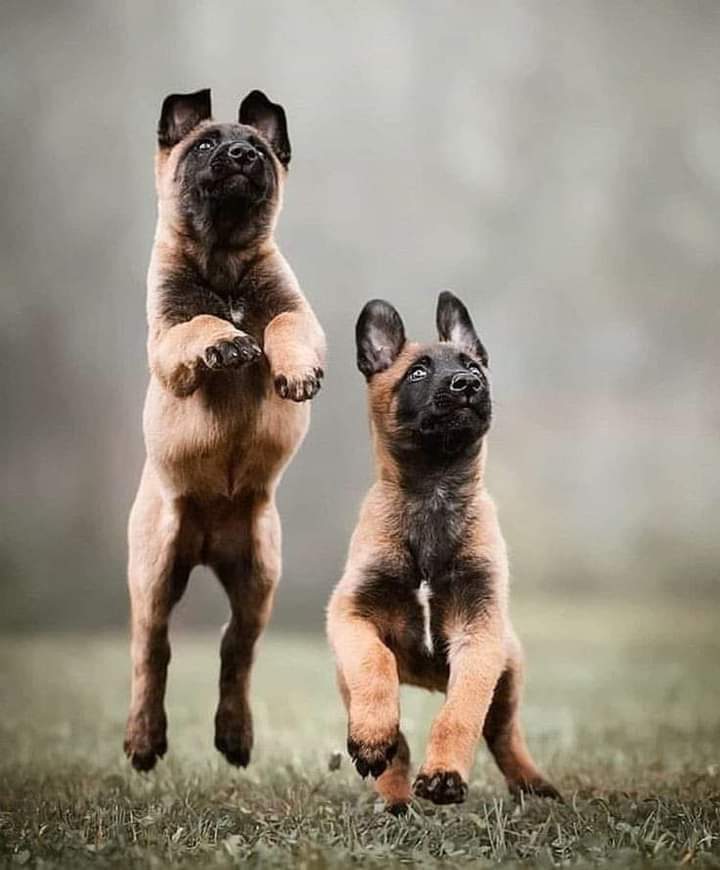
Introduction to Belgian Malinois Puppies
The Belgian Malinois has earned its reputation as one of the world’s most elite working dogs, serving in military operations, police forces, and search-and-rescue missions worldwide. Yet behind this impressive resume lies a critical truth: their exceptional capabilities stem directly from proper training that begins during puppyhood. Understanding Belgian Malinois puppy training is not just beneficial—it’s absolutely essential for both the dog’s wellbeing and the owner’s success.
What Makes the Belgian Malinois Unique
The Belgian Malinois stands apart from other breeds through a combination of extraordinary traits. Originating from the Malines region of Belgium in the 1880s, these dogs were initially bred for herding livestock. However, their remarkable intelligence, unwavering loyalty, and boundless drive quickly distinguished them as versatile working animals. Today, they’re often compared to German Shepherds, yet Malinois typically exhibit higher energy levels and faster reaction times.
Physically, Belgian Malinois present an athletic build standing 22-26 inches tall, with a lean, muscular frame designed for agility and endurance. Their short coat, ranging from fawn to mahogany with characteristic black masks, requires minimal grooming but offers little protection against extreme weather—a consideration for training environments.
What truly sets them apart is their cognitive capacity. Belgian Malinois possess exceptional problem-solving abilities and can learn complex commands in remarkably few repetitions. This intelligence, however, becomes a double-edged sword without proper channeling. An understimulated Malinois quickly becomes a destructive force in any household.
Why Early Training is Essential
The window for optimal Belgian Malinois puppy training opens the moment your puppy arrives home, typically around 8 weeks of age. During the critical developmental period between 8-16 weeks, puppies form lasting associations that shape their adult behavior. Miss this window, and you’ll face significantly greater challenges later.
Early training accomplishes multiple objectives simultaneously. First, it establishes you as a confident leader—essential for a breed with strong working instincts. Second, it prevents problematic behaviors from taking root. A Malinois puppy that learns jumping earns attention will maintain this behavior into adulthood, but at 70 pounds with powerful legs. Third, early training builds the foundation for advanced work later, whether that’s protection training, agility competitions, or simply being a well-mannered family companion.
Perhaps most importantly, proper Belgian Malinois puppy training teaches these intelligent animals how to learn. By introducing them to the training process early, you’re not just teaching commands—you’re developing their capacity to understand, process, and respond to new information throughout their lives.
Brief Overview of Their Intelligence and Energy Level
Belgian Malinois intelligence operates at an elite level, consistently ranking among the top five most trainable breeds. They can master basic commands in fewer than five repetitions and retain learned behaviors for years. This cognitive prowess enables them to excel in complex tasks requiring independent decision-making, such as detecting explosives or tracking missing persons.
However, their energy level presents the primary challenge for most owners. Enthusiasts don’t call them “Maligators” without reason. These dogs operate at intensity levels that exhaust even experienced handlers. An adult Malinois requires 2-3 hours of vigorous daily exercise—and that’s just physical activity. They need equal amounts of mental stimulation through training, puzzle-solving, and engaging work.
This combination of intelligence and energy means a Belgian Malinois without adequate outlets will create their own entertainment, often resulting in destroyed furniture, excessive barking, escape attempts, or aggressive behavior. Understanding this dynamic before beginning Belgian Malinois puppy training helps owners prepare appropriately and set realistic expectations.
Understanding Belgian Malinois Temperament
Successfully training a Belgian Malinois puppy requires deep understanding of their fundamental nature. These aren’t dogs that simply follow commands—they’re thinking animals with powerful instincts that must be respected and properly directed.
Natural Instincts
The Belgian Malinois carries centuries of herding genetics in their DNA. These instincts manifest in several ways that directly impact training. Herding dogs naturally want to control movement, which can translate to nipping at running children or attempting to “herd” family members. They possess strong prey drives, making them reactive to fast-moving objects, small animals, and even vehicles.
Their territorial instincts run deep. A Malinois naturally protects their space and family, which makes them excellent guardians but requires careful socialization to prevent over-protective or aggressive behavior toward strangers. Without proper guidance, this protectiveness can evolve into problematic fear-based aggression.
These dogs also display remarkable sensitivity to their environment and handler’s emotional state. They read body language, vocal tones, and energy levels with uncanny accuracy. This sensitivity makes them responsive to subtle training cues but also means harsh corrections can severely damage their confidence and trust.
Working Dog Background
Understanding the Belgian Malinois working heritage provides crucial insight for training. These dogs weren’t bred to be companions—they were engineered to work. Their entire psychology revolves around having a job and completing tasks. This work drive manifests as an intense desire to please their handler, making them incredibly trainable when properly motivated.
The Belgian Malinois thrives on structure and purpose. They need clear roles, defined boundaries, and consistent expectations. In professional settings, these dogs often work 8-12 hour shifts with sustained focus. This capacity for extended concentration is remarkable, but it means they become frustrated and anxious without sufficient mental engagement.
Their working background also influences their social needs. While deeply loyal to their handler, Malinois typically maintain a certain independence and aren’t “needy” in the traditional sense. They want to work alongside you, not simply be petted. This characteristic affects how you should approach Belgian Malinois puppy training—incorporating work-like activities rather than solely companionship-based interactions.
Why They Need Structured Training
The necessity of structured training for Belgian Malinois cannot be overstated. Their combination of intelligence, energy, and work drive creates a dog that will develop its own “training program” in the absence of yours. Unfortunately, self-directed Malinois rarely choose behaviors that align with household harmony.
Structured training provides the mental framework these dogs crave. It satisfies their need for problem-solving and task completion. A well-trained Malinois is a confident, content animal that understands its role and knows how to earn rewards through appropriate behavior.
Without structure, Belgian Malinois commonly develop anxiety disorders, obsessive-compulsive behaviors, destructive tendencies, and aggression. These aren’t signs of “bad” dogs—they’re symptoms of intelligent working animals lacking appropriate outlets. The Belgian Malinois puppy training process essentially becomes your dog’s job, providing the structure their psychology demands.
Additionally, structured training establishes clear communication between handler and dog. Belgian Malinois need to understand expectations, boundaries, and consequences. Ambiguity creates stress and confusion in these literal-minded animals. Consistent, structured training eliminates ambiguity and builds the trust essential for advanced work.
When to Start Belgian Malinois Puppy Training
Timing plays a critical role in Belgian Malinois puppy training success. Understanding developmental stages and optimal training windows helps maximize your efforts and build a solid foundation.
Ideal Age to Begin
Belgian Malinois puppy training should commence at 8 weeks old—the typical age puppies leave their mother. At this young age, puppies are highly receptive to new experiences and rapidly form positive associations. Their brains are literally wired for learning, with neural plasticity at its peak.
Between 8-12 weeks represents the golden window for initial training. During this period, begin teaching your puppy their name, basic boundaries (where they can and cannot go), and simple concepts like “yes” and “no.” Don’t expect perfect obedience yet—this phase is about exposure and building positive associations with the training process.
The critical socialization period extends from 8-16 weeks. During these weeks, puppies form their understanding of what’s “normal” in the world. Experiences during this window have disproportionate impact on their adult behavior. A Malinois puppy properly exposed to various people, environments, sounds, and experiences during this period typically develops into a confident, stable adult.
Basic obedience training intensifies around 12 weeks once puppies have received initial vaccinations and can safely interact with other animals and public spaces. At this age, Belgian Malinois puppies can handle 5-10 minute training sessions multiple times daily, learning fundamental commands like sit, stay, and come.
Early Socialization Importance
Early socialization represents perhaps the most crucial aspect of Belgian Malinois puppy training. These naturally protective dogs can develop fear-based aggression or reactivity if not properly socialized. The socialization process teaches puppies to distinguish between normal situations and genuine threats—a critical skill for a breed with strong protective instincts.
Proper socialization involves controlled exposure to diverse stimuli. Introduce your Malinois puppy to various people of different ages, sizes, and appearances. Include individuals wearing hats, sunglasses, uniforms, and other distinct features. Expose them to different animals, ensuring positive interactions with other dogs, cats, and livestock if possible.
Environmental socialization is equally important. Take your puppy to different locations—parks, hardware stores (many allow dogs), outdoor cafes, and walking trails. Expose them to various surfaces: grass, concrete, gravel, metal grates, and slippery floors. Introduce different sounds: traffic, construction equipment, vacuum cleaners, and children playing.
Every socialization experience must be positive. Pushing a fearful puppy into overwhelming situations can create lasting negative associations. Instead, allow your puppy to approach new experiences at their own pace while providing encouragement and high-value rewards for brave behavior. This balanced approach builds confidence without forcing situations that could create fear responses.
Recommended Training Phases
Structuring Belgian Malinois puppy training into phases helps ensure comprehensive development:
Phase 1 (8-12 weeks): Foundation Building
- Name recognition
- House training and crate introduction
- Basic socialization
- Teaching “yes” (marker for correct behavior) and “no”
- Puppy handling (touching paws, ears, mouth)
Phase 2 (12-16 weeks): Basic Obedience
- Sit, stay, down, come
- Leash introduction and loose-leash walking
- Continued intensive socialization
- Bite inhibition training
- “Leave it” command
Phase 3 (4-6 months): Impulse Control
- Extended stay commands
- Recall training in distracting environments
- Introduction to “place” or “bed” command
- Food bowl manners
- Door manners and controlled entries/exits
Phase 4 (6-12 months): Advanced Skills
- Off-leash obedience in controlled environments
- Advanced recall (coming when called despite distractions)
- Beginning specialized training (agility, scent work, etc.)
- Refining previous commands under challenging conditions
This phased approach ensures your Belgian Malinois develops appropriate skills at each developmental stage. Remember that individual dogs progress at different rates—adjust timelines based on your puppy’s specific capabilities and responses.
Basic Obedience Training
Basic obedience forms the cornerstone of all Belgian Malinois puppy training. These fundamental commands provide the framework for communication, safety, and advanced work later.
Teaching Sit, Stay, Come
Teaching “Sit”: The sit command is typically the easiest to teach and should be the first formal command in your Belgian Malinois puppy training program. Hold a high-value treat close to your puppy’s nose, then slowly move it up and back over their head. As their nose follows the treat, their bottom naturally lowers. The moment their rear touches the ground, say “yes” and immediately reward. Practice this 5-10 times per session, multiple sessions daily. Most Malinois puppies master sit within 2-3 days.
Teaching “Stay”: Stay requires more patience as it involves impulse control. Begin with your puppy in a sit position. Hold your hand up (palm facing them like a stop sign) and say “stay.” Wait just 2-3 seconds initially, then reward before they break position. Gradually increase duration, adding 5 seconds each successful session. Once they can stay 30 seconds, begin adding distance—take one step back, return, and reward. Belgian Malinois learn quickly but test boundaries, so consistency is crucial.
Teaching “Come” (Recall): Recall represents one of the most important safety commands. Begin indoors in a distraction-free environment. Say your puppy’s name followed by “come” in an excited, happy voice. When they move toward you, immediately praise and reward. Practice this during playtime, before meals, and throughout the day. As they master indoor recall, gradually introduce outdoor practice in secured, fenced areas. Always make coming to you the most rewarding experience possible—never call your dog to you for punishment or unpleasant activities like nail trimming.
Crate training provides multiple benefits for Belgian Malinois puppy training. A properly introduced crate becomes your puppy’s safe space, aids in house training, prevents destructive behavior when unsupervised, and provides security during travel or veterinary visits.
Select an appropriately sized crate—your puppy should have enough room to stand, turn around, and lie down comfortably, but not so much space they can eliminate in one corner and sleep in another. For growing Malinois puppies, consider crates with dividers that expand as they grow.
Introduction is critical. Never force your puppy into the crate. Instead, make it appealing by placing soft bedding, favorite toys, and treats inside. Begin by feeding meals near or inside the crate with the door open. Progress to closing the door briefly while your puppy eats, then gradually extend the duration.
Start with short confinement periods—5-10 minutes while you’re home and nearby. Slowly increase duration as your puppy shows comfort. Young puppies can typically hold their bladder for one hour per month of age (a 3-month-old puppy can hold it approximately 3 hours). Never use the crate for punishment; it should remain a positive space.
Ignore whining or barking in the crate unless you suspect a legitimate need to eliminate. Responding to complaints teaches your puppy that fussing earns freedom. However, if whining persists beyond 10-15 minutes or seems distressed rather than protesting, check for genuine needs.
Housebreaking and Potty Schedule
Belgian Malinois are intelligent and typically house train relatively quickly with consistency. The key is preventing accidents rather than correcting them. Puppies need to eliminate after waking, after eating or drinking, after play sessions, and approximately every 2-3 hours for young puppies.
Establish a consistent potty schedule. Take your puppy to the same designated area each time, using a specific phrase like “go potty.” Wait patiently—young puppies may need several minutes to eliminate. The moment they finish, immediately praise enthusiastically and offer a high-value reward. This positive reinforcement creates strong associations between appropriate elimination and rewards.
Supervise constantly when your puppy is loose in the house. Watch for signs like sniffing, circling, or moving toward previously soiled areas. If you see these behaviors, immediately take your puppy outside. If you catch your puppy in the act of eliminating indoors, interrupt with a sharp “no” and quickly move them outside to finish. Never punish after the fact—dogs don’t understand delayed consequences.
Clean accidents thoroughly with enzymatic cleaners that eliminate odors rather than just masking them. Residual scent encourages repeat offenses in the same location. Expect occasional accidents even with the best Belgian Malinois puppy training program. Consistency, patience, and positive reinforcement ultimately win.
Consider using a potty bell—a bell hung by the door that your puppy learns to ring when they need to go out. This teaches communication and can accelerate house training for intelligent breeds like the Malinois.
Socialization for Belgian Malinois Puppies
Proper socialization transforms a naturally protective Belgian Malinois into a confident, discerning companion capable of distinguishing genuine threats from normal situations.
Introducing to People, Pets, and Environments
People Socialization: Your Belgian Malinois puppy needs positive exposure to diverse humans. Invite friends and family of various ages to meet your puppy. Include children (supervised carefully), elderly individuals, people with mobility aids, individuals in uniforms, people wearing hats or sunglasses, and individuals of different sizes and appearances.
Teach visitors appropriate interaction methods. Have them offer treats and allow your puppy to approach rather than forcing interaction. This builds confidence and positive associations. Ask visitors to occasionally handle your puppy gently—touching paws, ears, and checking teeth—to prepare for veterinary visits and grooming.
Expose your puppy to people engaged in various activities: joggers, bicyclists, people with strollers, individuals carrying large objects, and people using wheelchairs or walkers. These experiences prevent your Malinois from viewing unusual human behavior as threatening.
Pet Socialization: Arrange controlled interactions with other vaccinated, well-mannered dogs. Puppy socialization classes provide excellent environments for this. Watch body language carefully—remove your puppy if they become overwhelmed or if play becomes too rough. Positive dog interactions during this period significantly reduce adult dog-dog aggression.
If you have cats or other pets, introduce your Belgian Malinois puppy gradually under close supervision. Their prey drive can make cat relationships challenging, but early positive exposure helps tremendously. Never allow your puppy to chase cats—interrupt this behavior immediately and redirect to appropriate activities.
Environmental Socialization: Take your puppy on “field trips” to various locations. Visit pet-friendly stores, walk through parking lots, sit outside cafes, explore different neighborhoods, visit parks (avoiding areas where unvaccinated dogs frequent until fully vaccinated), and drive in the car to new destinations.
Introduce various surfaces: walk on grass, concrete, gravel, metal grates, wooden boardwalks, sand, and wet surfaces. Each surface feels different to puppy paws, and exposure builds confidence. Include exposure to stairs, elevators, and different types of flooring.
Sound socialization is crucial. Play recordings of thunderstorms, fireworks, sirens, and construction noise at low volumes while engaged in positive activities like play or eating. Gradually increase volume over weeks. Expose your puppy to real-world sounds like traffic, lawn equipment, and household appliances.
Preventing Aggression and Anxiety
Belgian Malinois protective instincts can manifest as fear-based aggression without proper socialization. Prevention requires understanding trigger situations and ensuring positive associations.
Never force your puppy into frightening situations. If your puppy shows fear—backing away, lowered body posture, tucked tail, or avoidance—create more distance from the trigger and proceed more slowly. Forcing fearful exposure can create lasting phobias.
Watch for signs of stress during socialization: excessive panting, yawning, lip licking, whale eye (showing whites of eyes), or attempts to escape. These signals indicate your puppy is overwhelmed. End the session positively and return another day with a gentler approach.
Prevent resource guarding by teaching your puppy that human hands near their food or toys means good things happen. While they eat, occasionally drop high-value treats into their bowl. Practice trading—offer something better in exchange for an item they have. This builds trust rather than possessiveness.
Address any signs of aggression immediately. Growling, snapping, or biting—even in play—requires professional intervention. Belgian Malinois have powerful jaws and strong bite pressure. Behaviors that seem cute in puppies become dangerous in adults.
Socialization Checklist
Track your Belgian Malinois puppy training socialization progress with this comprehensive checklist:
People (aim for 100+ different people by 16 weeks):
- Men, women, children (various ages)
- Different ethnicities and appearances
- People with hats, glasses, beards, unusual clothing
- People using mobility aids (canes, wheelchairs, walkers)
- Veterinary staff and grooming professionals
Animals:
- Other dogs (various sizes, ages, breeds)
- Cats
- Small pets (if applicable)
- Livestock (if accessible)
- Wildlife (at a distance—birds, squirrels)
Environmhttps://malinoisdog.store/product/the-urban-malinois-thriving-in-a-city-environment/ents:
- Urban settings (sidewalks, traffic, crowds)
- Rural settings (quiet roads, fields, farms)
- Indoor public spaces (pet stores, veterinary clinics)
- Outdoor spaces (parks, trails, beaches)
- Various weather conditions (rain, wind, snow)
Surfaces:
- Grass, dirt, gravel, sand
- Concrete, asphalt
- Metal grates, wooden decks
- Slippery floors, carpet
- Stairs, ramps, elevators
Sounds:
- Traffic, sirens, horns
- Construction equipment
- Household appliances (vacuum, blender, TV)
- Thunder, fireworks (recorded safely)
- Children playing and screaming
- Other dogs barking
Experiences:
- Car rides
- Handling by various people
- Wearing collar, harness, leash
- Grooming activities (brushing, nail clippers, bathing)
- Veterinary examinations
Document each experience and your puppy’s reaction. This record helps identify areas needing additional exposure and tracks progress throughout your Belgian Malinois puppy training journey.
Advanced Training Techniques
Once basic obedience is established, Belgian Malinois puppy training progresses to more challenging skills that provide mental stimulation and practical utility.
Leash Training
Proper leash manners are essential for a breed as strong and energetic as the Belgian Malinois. Poor leash training creates frustrating walks where your dog pulls constantly, making exercise unpleasant for both parties.
Equipment Selection: Begin with a flat collar or harness—never use prong or choke collars on puppies. For Belgian Malinois with strong pulling tendencies, front-clip harnesses can help by redirecting pulling force to the side rather than forward. Use a 4-6 foot leash rather than retractable leashes, which teach dogs to pull.
Loose-Leash Walking: Start in a distraction-free environment like your backyard or quiet street. Hold treats in your hand near your hip on the side where your dog will walk (traditionally the left side, though either works with consistency). Begin walking. The moment your puppy pulls ahead and tension enters the leash, stop moving completely. Stand still silently. When your puppy looks back or returns to your side, immediately praise and resume walking. Alternatively, when tension occurs, turn and walk in the opposite direction. Your puppy learns that pulling stops forward progress—the opposite of what they want.
When your puppy walks beside you with a loose leash, frequently reward with treats and praise. Make walking politely far more rewarding than pulling. Practice regularly in short sessions. Belgian Malinois learn quickly but need consistent reinforcement.
As your puppy improves, gradually increase distractions—practice in busier areas, near other dogs, and in environments with interesting smells. Each new distraction level requires patience as your dog learns to maintain focus despite temptations.
Reliable recall might save your Belgian Malinois’s life one day. This critical skill requires dedicated practice and exceptionally high rewards.
Foundation Building: Begin recall training indoors where distractions are minimal. Use an extremely excited, happy voice that your puppy associates exclusively with recall. Many trainers use a unique recall word like “here” instead of “come” to prevent the word from becoming “poisoned” through overuse without rewards.
Start with very short distances. Call your puppy when they’re already moving toward you. When they arrive, throw a party—multiple treats, excited praise, brief play session with their favorite toy. Make recall the best experience of their day.
Practice recall during positive activities. Call your puppy before meals, before play sessions, and before walks—times when coming to you naturally leads to something wonderful. Never call your dog for negative experiences like ending play, giving medicine, or trimming nails. Walk over and get them instead.
Increasing Difficulty: Progress to outdoor practice in a safely fenced area. Begin with minimal distractions, then gradually increase difficulty. Practice with interesting smells present, other people around, and eventually with other dogs at a distance. Always use a long training line (15-30 feet) in unfenced areas until recall is absolutely reliable—”reliable” means your dog comes immediately 100% of the time regardless of distractions.
Never chase your dog if they don’t come when called. Chasing becomes a fun game where you reinforce not coming. Instead, move in the opposite direction enthusiastically—most puppies will follow. Some trainers carry special treats exclusively for recall practice—pieces of hot dog, cheese, or even steak that your dog never receives except for coming when called.
Impulse Control
Belgian Malinois possess intense drive that can overwhelm self-control without specific training. Impulse control exercises build your dog’s capacity to wait for permission even when excited.
“Wait” Command: Different from “stay,” which means remain in position until released, “wait” means pause briefly until given permission to proceed. Practice at doorways—have your puppy sit and wait while you open the door. They must remain seated until you give a release word like “okay” or “free.” This prevents door-dashing and teaches patience.
Practice wait before meals. Have your puppy sit while you prepare food, then place the bowl down. Your puppy must wait until released before eating. Start with just 5-10 seconds and gradually extend duration. This exercise provides excellent impulse control practice daily.
“Leave It”: This crucial command prevents your Belgian Malinois from grabbing dangerous items. Start by holding a treat in your closed fist. Your puppy will likely try to get it—sniffing, pawing, or licking your hand. Ignore all attempts. The moment they back off or look away, say “yes” and reward with a different treat from your other hand (never the treat they were told to leave).
Progress to placing a treat on the floor while covered by your foot. Use the same principle—reward when they stop trying to get it. Eventually, practice with uncovered items, always using a leash to prevent your puppy from actually obtaining the forbidden item. The goal is that “leave it” means “stop trying to get that thing immediately, regardless of how much you want it.”
“Place” or “Bed” Training: Teach your Belgian Malinois to go to a specific location and remain there until released. This provides a calm behavior option during busy household activities, guest visits, or when you need your dog settled. Start by luring your puppy onto their bed or mat with treats. Reward heavily for remaining on the bed. Gradually extend duration and introduce distractions like walking past, playing nearby, or having visitors present.
Mental Stimulation Exercises
Mental stimulation tires Belgian Malinois as effectively as physical exercise—sometimes more so. Incorporate these exercises into your Belgian Malinois puppy training program to provide cognitive challenges.
Puzzle Toys: Interactive puzzle toys dispense treats when manipulated correctly. Start with simple puzzles and progress to more complex ones as your puppy’s problem-solving skills develop. These toys provide independent mental work when you can’t actively train.
Scent Work: Belgian Malinois possess exceptional noses. Hide treats or toys around your home and encourage your puppy to find them using their nose. Start easy—hide items in plain sight—then progress to more challenging locations. Eventually, you can introduce scent detection work using specific odors.
Trick Training: Teaching tricks provides excellent mental stimulation. Teach your Belgian Malinois to spin, shake hands, play dead, roll over, weave through your legs, or back up on command. These skills have no practical purpose but build your dog’s learning capacity and strengthen your bond.
Novel Experiences: Regularly introduce your puppy to new experiences—different walking routes, new toys, various training locations, and different training exercises. Novelty engages cognitive processing and prevents boredom.
Common Belgian Malinois Puppy Training Mistakes
Even experienced handlers make mistakes. Recognizing common errors helps ensure your Belgian Malinois puppy training stays on track.
Overtraining or Undertraining
The Overtraining Trap: Enthusiastic owners sometimes push too hard, conducting marathon training sessions that exhaust their puppy physically and mentally. Young puppies have limited attention spans—5-10 minute sessions are optimal for puppies under 4 months. Even older puppies benefit from shorter, more frequent sessions rather than extended work periods.
Overtraining leads to burnout. Your Belgian Malinois may begin avoiding training sessions, showing less enthusiasm, or even displaying stress behaviors. Watch for signs of fatigue: excessive panting, difficulty focusing, trying to leave the training area, or performing known commands incorrectly.
Physical overtraining poses particular risks for growing puppies. Excessive running, jumping, or repetitive impact can damage developing growth plates, potentially causing lifelong joint problems. For Belgian Malinois puppies, exercise guidelines suggest 5 minutes per month of age, twice daily. A 3-month-old puppy should receive approximately 15 minutes of structured exercise twice daily, though free play in a yard is unlimited.
The Undertraining Problem: Conversely, many owners underestimate how much training and mental stimulation Belgian Malinois need. This breed requires more engagement than typical pet dogs. Undertraining manifests as destructive behavior, excessive barking, hyperactivity, or difficulty settling.
Belgian Malinois puppies benefit from multiple short training sessions daily—3-5 sessions of 5-10 minutes each. Additionally, incorporate training into daily activities: practice sit before meals, recall during play, and stay when greeting visitors. This integrates learning into normal routines without overwhelming your puppy.
Ignoring Mental Stimulation
Physical exercise alone never satisfies a Belgian Malinois. Their cognitive capacity demands regular mental challenges. Owners who focus exclusively on physical exercise often find their seemingly exhausted dog destructively energetic after a long run. Mental fatigue works differently than physical tiredness.
Incorporate problem-solving activities: puzzle feeders instead of regular bowls, scent games, obedience practice, trick training, and novel experiences. Even short 5-minute training sessions provide more mental stimulation than hour-long walks. The cognitive effort required to learn, remember, and execute commands engages their brain more effectively than repetitive physical activity.
Inconsistent Commands
Consistency represents one of the most critical elements in Belgian Malinois puppy training. These intelligent dogs quickly notice discrepancies between family members’ expectations or inconsistencies in your own behavior.
Use identical words for each command. If you teach “down” for lying down, don’t sometimes use “lay down” or “lie down.” Belgian Malinois learn specific words, and variations create confusion. Ensure all family members use identical commands and hand signals.
Enforce rules consistently. If your puppy isn’t allowed on furniture, this rule must apply always—not just when convenient. Allowing furniture access sometimes but not others teaches your dog that rules are negotiable. Belgian Malinois will constantly test boundaries if they learn inconsistency works.
Apply consistent consequences. If jumping on people earns attention sometimes but correction other times, your puppy receives mixed messages. Decide on desired behaviors and respond identically each occurrence.
Lack of Exercise
Perhaps the most common and damaging mistake is insufficient exercise. Belgian Malinois are elite athletes requiring substantial daily activity. Adult Malinois need 2-3 hours of vigorous exercise daily—significantly more than most breeds. Puppies need less intensive exercise due to growth plate concerns, but still require multiple activity sessions throughout the day.
Insufficient exercise creates numerous problems: destructive behavior, excessive barking, hyperactivity, difficulty focusing during training, aggression, anxiety, and obsessive behaviors. These symptoms aren’t personality flaws—they’re predictable responses to inadequate physical outlets.
Structure exercise appropriately for age. Young puppies benefit from multiple short play sessions, gentle walks, and free play in secure areas. Avoid excessive running, jumping, or prolonged distance activities until growth plates close around 18 months. As your puppy matures, gradually increase exercise intensity and duration.
Variety matters too. Mix walking with running, swimming, fetch, tug-of-war, agility work, and hiking. Different activities engage different muscle groups and provide varied experiences that maintain your dog’s interest.
Exercise Requirements
Understanding and meeting exercise requirements is fundamental to successful Belgian Malinois puppy training. A properly exercised Malinois is calmer, more focused, and more trainable.
Daily Activity Needs
Belgian Malinois exercise requirements vary by age, but this breed always needs substantial activity:
Puppies (8 weeks – 6 months): Focus on multiple short sessions rather than prolonged activity. Follow the “5-minute rule”—5 minutes of structured exercise per month of age, twice daily. A 4-month-old puppy receives approximately 20 minutes of structured exercise twice daily. This guideline protects developing joints while providing necessary activity.
Free play remains unlimited. Allow your puppy to run, play, and explore in secure areas at their own pace. Self-directed play differs from structured exercise and doesn’t carry the same injury risks from forced repetitive motion.
Adolescents (6 months – 18 months): Gradually increase exercise as your puppy matures. By 12 months, most Belgian Malinois can handle 60-90 minutes of moderate to vigorous exercise daily, split into multiple sessions. Continue avoiding excessive jumping or repetitive high-impact activities until growth plates fully close around 18 months.
Adults (18 months+): Adult Belgian Malinois require 2-3 hours of vigorous daily exercise. This isn’t leisurely walking—it’s running, swimming, agility work, fetch, or other high-intensity activities. Additionally, they need substantial mental stimulation through training and problem-solving activities.
Understand that these are minimum requirements. Working-line Malinois often need even more activity. Insufficient exercise directly causes behavioral problems regardless of training quality.
Best Physical Exercises
Variety keeps your Belgian Malinois engaged while developing different physical capabilities:
Running and Jogging: Once physically mature, Belgian Malinois make excellent running partners. They can maintain steady paces for miles and enjoy the sustained activity. Build distance gradually and avoid running on hot days or rough surfaces that could damage paw pads.
Swimming: Swimming provides exceptional exercise without joint stress. Many Belgian Malinois love water, and swimming builds cardiovascular fitness while strengthening muscles. Always supervise water activities and introduce swimming gradually for puppies.
Fetch and Retrieval: Belgian Malinois typically love fetch, and this activity provides both physical exercise and mental engagement. Vary the challenge—throw uphill, into water, or in different environments. Teach “drop it” to prevent possessiveness over retrieved items.
Tug-of-War: Despite myths suggesting tug increases aggression, structured tug games actually build impulse control and provide excellent physical exercise. Use rules: the game starts and stops on your command, and if teeth touch skin or your dog won’t release, the game ends immediately.
Agility and Obstacle Courses: Set up simple obstacle courses using household items or invest in agility equipment. Jumping through hoops, weaving through poles, crawling under objects, and balancing on surfaces provide both physical and mental challenges.
Hiking: Once mature, Belgian Malinois make outstanding hiking companions. They handle difficult terrain easily and enjoy exploring new environments. Start with shorter trails and gradually increase difficulty and distance.
Bike Joring: For adult Malinois, running alongside a bicycle provides intense cardiovascular exercise. Use proper equipment designed for this activity, train gradually, and avoid this activity during hot weather.
Activities to Avoid
Certain activities pose injury risks, particularly for growing puppies:
Excessive Jumping: Repeated jumping—especially from heights or for high objects—stresses developing joints and ligaments. Avoid activities like dock diving or jumping from walls until your Malinois reaches physical maturity around 18 months.
Long Distance Running: While adult Belgian Malinois can run substantial distances, puppies and adolescents should not engage in forced distance running. Their growth plates remain vulnerable to repetitive impact injuries.
Rough Play with Much Larger Dogs: While proper socialization includes dog play, rough play with significantly larger dogs can injure your growing puppy. Monitor all dog interactions and intervene if play becomes too intense.
Exercise in Extreme Temperatures: Belgian Malinois have short coats providing minimal temperature protection. Avoid intensive exercise during very hot or very cold weather. Watch for signs of heat exhaustion during summer activities: excessive panting, drooling, weakness, or disorientation.
Repetitive Ball Throwing: While fetch provides excellent exercise, hours of repetitive ball throwing can cause obsessive behaviors and joint stress. Vary activities and include rest periods between throws.
Recommended Training Tools
Appropriate tools enhance Belgian Malinois puppy training effectiveness while ensuring your puppy’s comfort and safety.
Harness vs Collar
Collars: Flat buckle or snap collars work well for identification tag attachment and leash walking for Belgian Malinois that don’t pull. Choose appropriate sizing—you should fit two fingers comfortably between collar and neck. Check fit regularly as your puppy grows rapidly.
Avoid choke chains, prong collars, or shock collars on puppies. These tools can cause physical injury and psychological damage, especially in young dogs. They’re unnecessary for intelligent, motivated breeds like Belgian Malinois when proper positive reinforcement training is applied.
Harnesses: Harnesses distribute pressure across the chest and shoulders rather than the delicate neck area. This makes them safer for puppies and ideal for Belgian Malinois prone to pulling. Front-clip harnesses redirect pulling force to the side, discouraging this behavior naturally. Back-clip harnesses work well for dogs that already walk politely on leash.
For Belgian Malinois puppy training, start with a well-fitted harness. Look for adjustable straps, padded chest plates, and durable construction that withstands their strength as they mature.
Toys for Mental Stimulation
Puzzle Feeders: Interactive feeders transform meals into mental challenges. Options range from simple wobble feeders dispensing kibble as the dog pushes them to complex puzzles requiring multiple steps to access food. These tools slow eating, prevent bloat, and provide cognitive engagement.
Kong Toys: Classic Kong toys can be stuffed with treats, kibble, peanut butter, or frozen meals. Your puppy must work to extract the food, providing extended mental stimulation. Frozen Kongs provide especially long-lasting challenges suitable when you need your puppy independently occupied.
Snuffle Mats: These fabric mats hide treats within layers of material, engaging your Belgian Malinois’s natural scenting abilities. Dogs must use their nose to locate hidden rewards, providing mental stimulation similar to foraging behaviors.
Tug Toys: Durable tug toys facilitate interactive play while teaching impulse control. Choose toys with easy-grip handles for you and soft material that won’t damage developing teeth. Rope toys work well but monitor for fraying that could be ingested.
Fetch Toys: Invest in various fetch toys: balls of different sizes, frisbees for older dogs, and floating toys for water activities. Rotate toys to maintain interest—don’t leave all toys available always. Novel toys generate more excitement than familiar ones.
Chew Toys: Belgian Malinois puppies need appropriate chewing outlets during teething. Provide varied textures: rubber toys, nylon bones, rope toys, and edible chews like bully sticks. Supervise chewing and remove any toy that breaks into small pieces.
Treats and Positive Reinforcement Tools
Training Treats: Select small, soft treats that can be consumed quickly without interrupting training flow. High-value treats—small pieces of hot dog, cheese, chicken, or freeze-dried liver—work best for teaching new behaviors or challenging situations. Lower-value treats like regular dog treats or kibble suffice for reinforcing known behaviors.
Keep treats tiny—pea-sized or smaller. Belgian Malinois train for the reward experience, not the treat quantity. Small treats allow numerous repetitions without excessive calorie intake.
Treat Pouches: Wear a treat pouch during training for convenient access. Fumbling for treats disrupts training momentum and timing. Quality pouches include clips for easy attachment and closures preventing treat spills.
Clicker: Clickers provide precise timing for marking desired behaviors. The distinct click sound occurs the instant your dog performs correctly, clearly identifying which behavior earned the reward. Clickers work particularly well for Belgian Malinois because these intelligent dogs quickly associate the click with upcoming rewards. Consistency matters—always follow a click with a treat, never click without rewarding.
Target Stick: A target stick teaches your dog to touch their nose to the stick’s tip. This tool facilitates teaching various behaviors and positions. Belgian Malinois can learn to follow the target, enabling you to guide them into specific locations or positions.
Long Line: A 15-30 foot long line provides freedom for recall practice while maintaining safety. Use long lines in unfenced areas during training until recall becomes completely reliable. Choose lightweight materials that won’t burden your puppy.
Grooming Tools: While not training tools specifically, grooming supplies become training tools when you condition positive associations. Use treats and praise during brushing, nail trimming, ear cleaning, and bathing to create positive experiences with necessary maintenance activities.
When to Get Professional Help
Even dedicated owners sometimes need professional assistance. Recognizing when to seek help prevents problems from becoming severe or dangerous.
Signs You Need a Trainer
Aggression: Any aggressive behavior—growling, snapping, biting, or lunging—requires immediate professional intervention. Belgian Malinois possess powerful jaws and strong prey drives. Aggression that seems manageable in a puppy becomes dangerous in an adult. Professional trainers experienced with protection breeds can assess the cause and implement appropriate behavior modification.
Fear and Anxiety: Extreme fearfulness, panic, or anxiety that doesn’t improve with gradual exposure and positive reinforcement needs professional evaluation. Anxiety in Belgian Malinois can manifest as destruction, excessive barking, escape attempts, or aggression. Early intervention prevents these issues from becoming ingrained patterns.
Lack of Progress: If you’ve consistently applied Belgian Malinois puppy training principles for several weeks without progress on basic commands, professional guidance can identify what you’re missing. Sometimes small technique adjustments make dramatic differences.
Specific Behavioral Issues: Problems like severe separation anxiety, compulsive behaviors, excessive prey drive endangering other pets, or resource guarding beyond normal puppy mouthiness warrant professional help.
Preparation for Specific Work: If you intend your Belgian Malinois for protection work, search and rescue, competition sports, or other specialized activities, working with trainers experienced in these fields ensures proper foundation training.
Types of Training Programs
Private In-Home Training: Private trainers visit your home, observing your dog in their natural environment and addressing specific issues. This personalized approach works exceptionally well for behavioral problems and allows customized instruction. Expect to pay $75-200+ per session.
Group Classes: Group obedience classes provide structured learning environments with socialization opportunities. Basic puppy classes, intermediate obedience, and advanced training classes serve different skill levels. Classes typically run $100-300 for 6-8 week sessions. Choose classes limiting enrollment to maintain appropriate student-to-instructor ratios.
Board and Train Programs: Professional trainers board your dog at their facility, conducting intensive training over several weeks. Your Belgian Malinois returns with established skills, and you receive instruction on maintaining training. These programs cost $1,000-5,000+ depending on duration and training goals. While effective, success requires owners maintaining consistent training afterward.
Specialty Training: Specialized programs focus on specific activities: agility, scent detection, protection work, or competition obedience. These programs assume basic obedience and build advanced skills. Costs vary widely based on specialization and trainer expertise.
Online Training: Virtual training programs, video courses, and remote consultations have become increasingly viable. While lacking hands-on instruction, quality online programs provide structured curricula and sometimes include virtual feedback sessions. Costs range from $50 for basic courses to several hundred dollars for comprehensive programs with personalized support.
Expected Costs
Belgian Malinois puppy training costs vary significantly based on location, trainer credentials, and program type:
Basic Group Puppy Classes: $100-300 for 6-8 weeks Private Training Sessions: $75-200+ per hour Board and Train: $1,000-5,000+ for 2-4 week programs Specialty Training: $500-3,000+ depending on specialization Behaviorist Consultation: $200-500+ for initial evaluation
Consider training costs when budgeting for your Belgian Malinois. Professional training represents an investment in your dog’s wellbeing and your household’s harmony. For a breed as intelligent and energetic as the Belgian Malinois, training isn’t optional—it’s essential.
Many trainers offer package deals reducing per-session costs. Some provide follow-up support ensuring training success. Research trainers carefully, checking credentials, experience with Belgian Malinois or similar working breeds, training philosophy (ensure they use positive reinforcement methods), and client reviews.
Conclusion
Belgian Malinois puppy training demands dedication, consistency, and understanding of this remarkable breed’s unique requirements. These intelligent, energetic dogs offer unparalleled loyalty, working ability, and companionship when properly trained and socialized.
Summary
The Belgian Malinois represents one of the most capable and trainable breeds, but their exceptional qualities require exceptional commitment. Begin training the moment your puppy arrives home, capitalizing on the critical socialization period between 8-16 weeks. Establish basic obedience through positive reinforcement, focusing on fundamental commands like sit, stay, come, and loose-leash walking.
Proper socialization prevents behavioral problems later, transforming your naturally protective Malinois into a confident dog capable of distinguishing normal situations from genuine threats. Expose your puppy to diverse people, animals, environments, sounds, and experiences during the critical developmental window.
As your puppy progresses, advance to impulse control exercises, reliable recall, and specialized skills matching your goals. Provide both physical exercise and mental stimulation—Belgian Malinois require both for optimal wellbeing. Avoid common mistakes like inconsistent commands, insufficient exercise, or neglecting mental enrichment.
Recognize when professional help benefits your training program. Aggression, severe anxiety, lack of progress, or preparation for specialized work all warrant expert guidance. Investment in professional training pays dividends throughout your dog’s life.
Encouragement for Consistent Training
Belgian Malinois puppy training isn’t a sprint—it’s a marathon requiring sustained effort over months and years. These dogs mature slowly, with full mental and physical maturity occurring around 2-3 years. Maintain consistent training throughout adolescence and beyond, reinforcing skills regularly rather than assuming training “completes” at a certain age.
Celebrate small victories. Your puppy won’t master every skill immediately, and that’s normal. Focus on progress rather than perfection. Some days will challenge your patience—Belgian Malinois test boundaries, especially during adolescence. Maintain consistency even when progress seems slow or nonexistent.
Remember why you chose this breed. Belgian Malinois form incredibly deep bonds with dedicated handlers. The training process strengthens your relationship, building mutual trust and understanding. Your puppy learns to look to you for guidance, and you learn to read their subtle communication signals.
The effort you invest during puppyhood pays exponential dividends throughout your dog’s life. A well-trained Belgian Malinois becomes an exceptional companion capable of impressive feats while remaining a calm, obedient family member. The destruction, aggression, and chaos associated with poorly trained Malinois never materialize when proper training principles are consistently applied.
Final Tips
Start Young, Start Right: Don’t wait for problems to develop. Begin Belgian Malinois puppy training immediately upon bringing your puppy home. Prevention is infinitely easier than correction.
Stay Educated: Continue learning about training techniques, canine behavior, and Belgian Malinois-specific information. The dog training field constantly evolves with new research and methods. Stay current to provide your dog the best training possible.
Prioritize Socialization: If you must choose between obedience training and socialization during the critical period, choose socialization. Basic commands can be taught later, but the socialization window closes. A well-socialized dog is easier to train than a fearful, reactive one.
Exercise is Non-Negotiable: Never skimp on exercise. Insufficient activity undermines all training efforts. A properly exercised Belgian Malinois is calmer, more focused, and more trainable.
Use Positive Methods: Belgian Malinois are sensitive, intelligent dogs that respond exceptionally well to positive reinforcement. Harsh corrections damage trust and create fear or aggression. Build your training program on rewards, consistency, and clear communication.
Be Patient: Your puppy is learning an entirely new language and set of expectations. Mistakes are part of learning. Respond to errors with patience and redirection rather than frustration.
Maintain Perspective: Training challenges pass. The destructive puppy phase, the testing adolescent period, and the learning struggles all resolve with consistent, patient work. Focus on your end goal—a trained, well-adjusted adult Belgian Malinois—rather than getting discouraged by temporary setbacks.
Enjoy the Journey: Belgian Malinois puppy training should be enjoyable for both handler and dog. If training becomes stressful or unpleasant, reassess your approach. These dogs want to please you and love learning. Keep sessions positive, upbeat, and fun.
Build the Bond: Training isn’t just about obedience—it’s about building a deep relationship with your Belgian Malinois. Enjoy the process of teaching, learning, playing, and growing together. The bond you develop with your Malinois through dedicated training creates a partnership unlike any other.
Your Belgian Malinois puppy possesses incredible potential. With proper training starting young, consistent reinforcement, adequate exercise, thorough socialization, and patient guidance, your puppy will develop into an outstanding adult dog. The work you invest now determines the dog you’ll live with for the next 12-14 years. Make that investment count.
Belgian Malinois ownership isn’t for everyone, but for those willing to meet their considerable needs, these dogs offer unmatched loyalty, intelligence, and capability. Your commitment to comprehensive Belgian Malinois puppy training sets both you and your puppy up for a successful, rewarding relationship that will enrich both your lives immeasurably.
Start today. Stay consistent. Trust the process. Your Belgian Malinois is worth every moment of effort you invest in their training and development.