
An adult Belgian Malinois typically needs about 1.5 to 2 hours of exercise and mental work every day. Puppies need far less structured exercise, because their joints are still developing. Physical activity alone is not enough, so combine it with scent games, training, and calm rest.
These figures are general guidelines, so confirm them with your vet. For the wider training picture, see our guide on how to train a Belgian Malinois dog
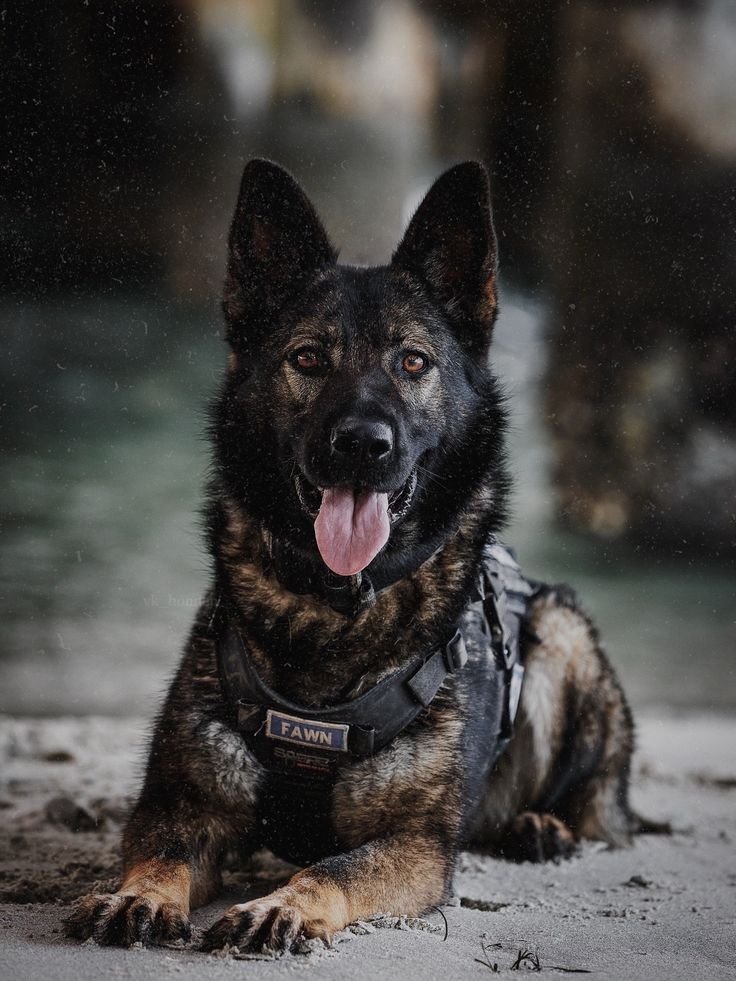
Why Does a Belgian Malinois Need So Much Exercise?
The Malinois was bred for herding and later adapted for police, military, and sport work. These jobs reward stamina, speed, and focus.
A dog with that background does not switch off easily. Without enough outlets, it often shows:
- Destructive chewing
- Constant barking or whining
- Nipping and herding behavior
- Pacing and restlessness
- Reactivity toward movement
Most “bad behavior” in this breed traces back to unmet needs. Check exercise and mental work before you blame the dog.
How Much Exercise Does a Belgian Malinois Need at Each Age?
Needs change a lot between puppyhood and adulthood.
| Age | Structured exercise | Notes |
|---|---|---|
| 8 to 16 weeks | Short walks and play | Rest is the priority; puppies sleep 18 to 20 hours a day |
| 4 to 6 months | About 20 to 30 min, split up | Avoid forced running and repeated jumping |
| 6 to 12 months | About 45 to 60 min, split up | Add scent work and training games |
| 12 to 18 months | About 1 to 1.5 hours | Joints still maturing; keep impact low |
| Adult | About 1.5 to 2 hours | Mix physical and mental work |
| Senior | Reduced, gentle | Adjust to health and mobility |
A common puppy guideline is about 5 minutes of structured exercise per month of age, once or twice a day. It is not a strict rule, so ask your vet what suits your dog.
How Much Exercise Does a Malinois Puppy Need?
Less than most owners expect. A puppy’s growth plates stay open for many months, and heavy impact can stress developing joints.
For a puppy, prefer:
- Short, frequent sniff walks on soft ground
- Play with rules, such as gentle tug and fetch with a start and drop cue
- Short training games of 3 to 5 minutes
- Naps, which matter as much as activity
Avoid long runs, jogging next to a bike, repeated jumping, and hard-surface fetch until your vet confirms the puppy is mature. For a puppy-specific roadmap, see our Belgian Malinois puppy training guide.
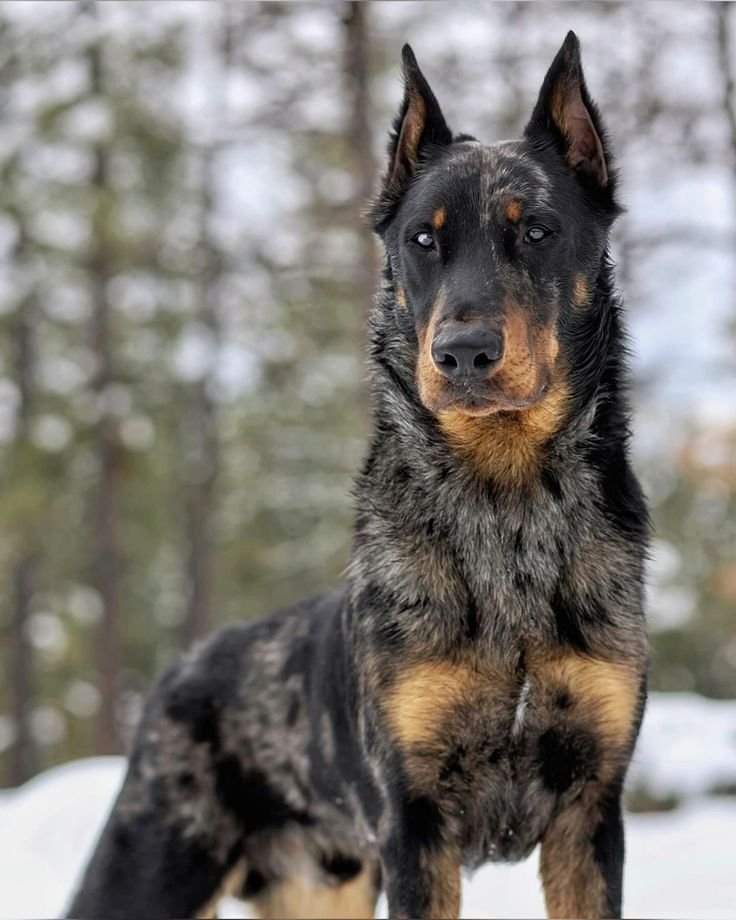
What Does a Daily Exercise Routine Look Like for an Adult Malinois?
A balanced day mixes movement, thinking, and rest. Here is a sample for an adult dog:
| Time | Activity | Duration |
|---|---|---|
| Morning | Brisk walk with sniffing | 30 to 40 min |
| Mid-morning | Training session | 10 min |
| Midday | Crate or mat rest with a chew | 1 to 2 hours |
| Afternoon | Scent game or puzzle feeder | 15 min |
| Late afternoon | Training review | 10 min |
| Evening | Run, fetch, hike, or swim | 30 to 45 min |
| Night | Mat or crate settle | 10 min |
Adjust this to your dog’s health, weather, and temperament. Some Malinois need more, and some need less.
Is Physical Exercise Enough for a Belgian Malinois?
No. This is the most common mistake owners make.
A Malinois can run for a long time and still be mentally restless. Ten minutes of scent work can tire a dog more than a longer walk, because thinking uses energy too.
Add these mental activities:
- Scent work. Hide treats, then teach the dog to search. See our Scent Work and Nose Games program.
- Puzzle feeders. Replace the bowl at one or two meals.
- Trick training. Spin, paw, touch, and back up.
- Obedience sets. Sit, down, place, and recall in short rounds.
- Impulse control games. Wait at doors, leave it, and tug with rules. See our impulse control program.
What Are the Best Exercises for a Belgian Malinois?
Rotate activities to avoid creating a dog that only calms down after extreme workouts.
Physical activities
- Brisk walks and hikes. Low impact and good for bonding.
- Fetch with rules. Teach start and drop cues so the game stays controlled.
- Swimming. Easy on joints and good for stamina.
- Flirt pole sessions. A safe outlet for chasing, under your control.
- Running. For adult dogs only, and only after your vet agrees.
Sports and structured work
- Obedience and rally
- Agility
- Nose work and tracking
- Herding or protection sports, with a qualified club
A job is the best exercise for this breed. Sports give the dog a purpose and give you a clear training goal.
How Do You Teach a Malinois to Settle?
Many owners build endless stamina and forget to teach calm. The result is a dog that needs more and more exercise to relax.
Train an “off switch” deliberately:
- Reward the dog for lying down on its own.
- Practice 5 to 10 minutes of crate or mat time daily.
- Extend the duration gradually while rewarding quiet.
- Pair settling with low-energy times, such as after meals.
Calm is a skill. It needs practice just like recall. For the foundation of mat work, see Step 4 in our guide on how to train a Belgian Malinois dog.
Can You Over-Exercise a Belgian Malinois?
Yes. More is not always better.
Watch for these signs of too much activity:
- Limping or stiffness after activity
- Reluctance to move, jump, or climb stairs
- Being wired and unable to settle after exercise
- Heavy panting that does not ease with rest
- Sore paw pads
In hot weather, exercise in the early morning or evening, and bring water. Heat stroke is a real risk for any dog during hard activity.
If you see signs of pain or exhaustion, stop and consult your vet.
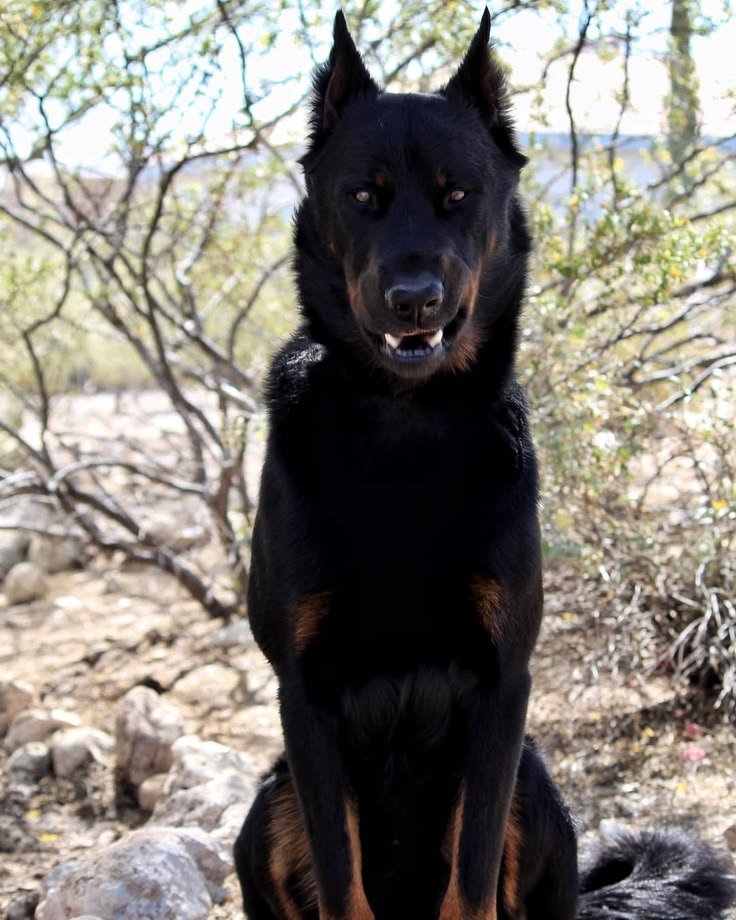
What Happens if a Belgian Malinois Does Not Get Enough Exercise?
An under-exercised Malinois does not stay quiet. It finds its own jobs.
Common results include:
- Chewing furniture, shoes, or walls
- Digging
- Herding children or other pets
- Excessive barking
- Reactivity on walks
- Anxiety or self-soothing behavior such as tail chasing
If these problems appear, increase mental work first, then adjust physical exercise. If behavior is escalating into growling, snapping, or guarding, see our page on Malinois aggression solutions.
What Are the Most Common Exercise Mistakes?
- Too much, too young. Heavy running and jumping can stress a puppy’s joints.
- Only physical work. Fitness without mental work builds a stronger, more demanding dog.
- No rest. Puppies and adolescents need long sleep, and overtired dogs bite more.
- Skipping the long line. Letting the dog off leash too early ruins recall.
- Exercising only on weekends. Short daily sessions beat one long weekend outing.
- Using exercise to fix every problem. Training, structure, and rest matter too.
How Should You Plan Exercise as Your Dog Grows?
Review your routine at each stage. For a roadmap, see our life-stage training guide. If you want a daily schedule that combines exercise and training, use our 30-day Belgian Malinois training plan.
Once your dog is calm and focused, work on recall so you can use open spaces safely. See our Belgian Malinois recall training guide.
Final Thoughts: How Much Exercise Does a Belgian Malinois Need?
Most adult Belgian Malinois do well with about 1.5 to 2 hours of daily activity, split into walks, play, training, and scent games. Puppies need less impact and more sleep, and every dog needs mental work and calm practice.
Watch your dog, not the clock. A satisfied Malinois settles easily, sleeps well, and stays out of trouble. For the full method, continue with our guide on how to train a Belgian Malinois dog.
FAQ: Belgian Malinois Exercise
How many hours a day does a Belgian Malinois need to be active?
Typically about 1.5 to 2 hours for an adult, including mental work such as scent games and obedience practice.
How much exercise does a Malinois puppy need?
Much less than an adult. A common guideline is about 5 minutes of structured exercise per month of age, once or twice a day. Ask your vet.
Can a Belgian Malinois live in an apartment?
It is possible if the dog gets enough daily exercise and mental work, but it is demanding. A home with space and a committed owner is easier.
How long can you leave a Belgian Malinois alone?
Adults may manage a few hours if well exercised and trained to settle, but long absences often lead to chewing and anxiety. Build alone-time slowly.
What happens if a Malinois doesn’t get enough exercise?
It may chew, bark, dig, herd, or become reactive. Increase mental work first, then adjust physical activity.
Is a long walk enough for a Belgian Malinois?
Usually not. Combine walks with training, scent games, and structured play.