
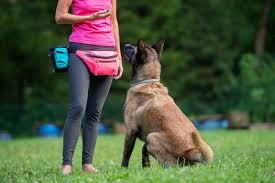
Calmness Training for Malinois: From Chaos to Control
A Professional Trainer’s Simplified Guide
Introduction
Calmness Training for Malinois is one of the most important foundations for raising a balanced and confident dog.
The Belgian Malinois is powerful, intelligent, and loyal — but also highly sensitive to energy and emotions.
Without calmness training, this breed can become overstimulated, reactive, and difficult to manage.
With it, your Malinois can transform into a focused, obedient, and relaxed companion.
This guide explains how to teach calmness, avoid common mistakes, and build lasting emotional control in your Malinois — step by step.
1. What Is Calmness Training for Malinois?
Calmness training means teaching your dog to regulate its own energy — to stay focused and peaceful even when the environment is busy or exciting.
It’s not about suppressing drive.
It’s about creating balance between energy and control.
When your Malinois masters calmness:
- It listens better and learns faster.
- It becomes confident, not anxious.
- It builds a stronger bond with you.
Calmness training develops both obedience and emotional stability — the two pillars of a well-behaved Malinois.
2. Why Malinois Need Calmness Training
The Belgian Malinois was bred for high-energy work — protection, herding, and police service.
That same drive, without direction, becomes chaos at home.
Calmness Training for Malinois helps redirect that energy into productive focus.
It teaches the dog that stillness, patience, and waiting are rewarding too.
Without it, your dog might:
- Bark or spin from overstimulation
- Struggle to rest indoors
- Become reactive to guests or sounds
- Develop stress or separation anxiety
Calmness training prevents these issues before they start.
3. Common Mistakes in Calmness Training for Malinois
Many owners unintentionally make training harder.
Here are the most frequent mistakes — and how to fix them.
Mistake 1: Over-Exercising
Too much running or physical play raises adrenaline.
Calmness training focuses on mental balance — not just tired muscles.
Use short obedience drills, scent games, or “place” commands instead of endless fetch.
Mistake 2: Rewarding Excitement
If you pet, talk to, or look at your dog when it’s jumping or barking — you reward excitement.
Wait for calm body language before giving attention.
This teaches your Malinois that calm behavior brings positive results.
Mistake 3: Ignoring Rest or Crate Training
Structured rest is part of Calmness Training for Malinois.
A crate or mat gives your dog a clear signal: “Now it’s time to relax.”
Without rest, the brain stays in alert mode, and calm behavior becomes impossible.
Mistake 4: Weak Leadership
A Malinois needs clear, calm direction.
Leadership isn’t about control through power — it’s about consistency and emotional stability.
Your calm energy becomes your dog’s guide.
Mistake 5: Inconsistency
Different rules create confusion.
Keep your commands, tone, and routines the same every day — that’s how you build trust and predictability.
Mistake 6: Expecting Quick Results
Emotional training takes time.
Be patient and repeat small calmness exercises daily.
Your Malinois will gradually learn to regulate excitement on its own.
4. The Calmness Training Routine
A simple daily routine helps your Malinois learn calm focus and emotional balance.
Morning
- Structured Walk (30–40 min): Practice “heel,” “sit,” and “wait.”
- Calm Feeding: Wait for eye contact before releasing food.
- Short Calmness Drill: 5–10 minutes of “place” or “stay” commands.
Afternoon
- Rest or Crate Time: Quiet, low-energy environment.
- Mental Enrichment: Chew toys, licking mats, or scent search.
Evening
- Calm Play: Stop the game before your dog gets overstimulated.
- Short Obedience Session: Keep it quiet and structured.
- Wind Down: 10 minutes of calm “place” training before bed.
Night
- Play soft music or white noise.
- End the day with stillness — not excitement.
This consistent routine is the heart of Calmness Training for Malinois.
5. Core Techniques for Calmness Training
The Wait Rule
Teach your dog to wait before eating, leaving the house, or greeting you.
Waiting develops patience and impulse control.
Settle Command
Introduce a calm cue like “easy” or “relax.”
Reward only when your dog slows down, breathes quietly, and stays still.
Calm Exposure
Let your Malinois experience distractions — guests, sounds, or new places — and reward neutral reactions.
This builds emotional stability.
Structured Rewards
Use food, touch, or praise only when your dog is calm.
Never reward hyper or demanding behavior.
6. Tools That Support Calmness Training for Malinois
Crate or Rest Area: Encourages downtime and emotional reset.
Place Mat: Defines a safe, calm zone.
Chew Toys & Lick Mats: Promote relaxation and focus.
Long Leash (10m): Provides controlled freedom during calm walks.
Soft Music: Helps reduce stress and external triggers.
7. The Owner’s Role in Calmness Training
Calmness starts with you.
Your Malinois mirrors your emotional state.
If you’re nervous, angry, or impatient — your dog feels the same.
If you stay calm, breathe slowly, and move deliberately — your dog learns from your example.
“You can’t train calm if you’re not calm yourself.”
8. Long-Term Calmness Maintenance
Once your dog learns calmness, maintain it daily:
- Stick to a fixed schedule.
- Use structured walks and rest times.
- Avoid over-excitement games indoors.
- Reinforce calmness in new environments.
Calmness Training for Malinois isn’t a one-time lesson — it’s a daily lifestyle of balance and consistency.
Conclusion
Calmness Training for Malinois transforms a reactive, high-energy dog into a confident, reliable companion.
It teaches emotional control, builds focus, and strengthens your bond.
Calmness isn’t about suppressing energy — it’s about guiding it.
When your Malinois learns to stay calm under pressure, it becomes its best self — strong, stable, and connected to you.
“Calm is not weakness. Calm is control.”