
Introduction: Raising a Malinois the Right Way
If you’ve recently brought home a Belgian Malinois puppy, congratulations — you’ve welcomed one of the most intelligent, athletic, and loyal breeds on the planet. But you’ve also invited a challenge. The Malinois is not just another working dog; it’s a force of nature wrapped in fur.
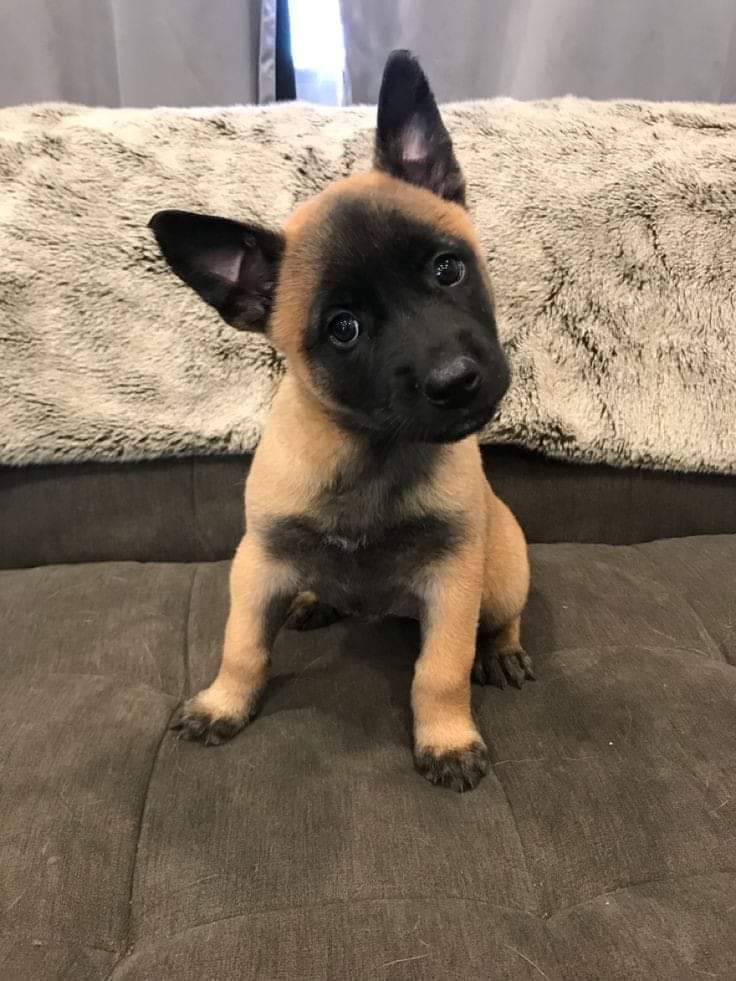
This breed is famous for serving alongside elite military and police units around the world. From airport K9 detection dogs to search-and-rescue heroes, Malinois are unmatched in their drive, focus, and work ethic. But that same intensity that makes them legendary in service can quickly overwhelm an unprepared household.
That’s why early, structured Malinois training is essential. You can’t simply let a Malinois “figure it out.” These dogs need direction, purpose, and engagement — from day one.
This guide will help you raise a confident, well-balanced Malinois by covering everything you need to know:
- How to understand and meet the Malinois puppy’s mental and physical needs
- The science of early socialization and why it’s non-negotiable
- How crate training builds structure and security
- Practical methods to teach bite inhibition and polite play
- Step-by-step obedience tips for focus, manners, and lifelong reliability

Whether you’re a first-time owner doing your homework or a seasoned dog handler ready to refine your puppy program, this comprehensive guide will give you the professional insights you need to raise your Malinois with confidence.
1. Understanding the Belgian Malinois Puppy
The Breed’s Working Legacy
The Belgian Malinois originates from the city of Malines, Belgium, where it was bred as a herding and guard dog in the late 1800s. Its purpose was simple but demanding — to move livestock all day with speed, precision, and endurance. This required a dog that was agile, intelligent, alert, and always ready to work.
Over time, those same qualities made the Malinois a top choice for law enforcement, protection, and sport. Today, they’re known as one of the premier working breeds in the world — the preferred K9 for many police and military agencies due to their speed, courage, and high trainability.
But here’s what new owners often overlook: those traits don’t vanish when you bring a Malinois home as a pet. They remain a high-drive, high-intensity, mentally active dog that thrives only when given structure and purpose.
Personality Traits of a Malinois Puppy
A Malinois puppy is a paradox — both eager to please and bursting with energy. They’ll learn faster than most breeds but also test your limits daily.
Typical traits include:
- High energy: Needs structured physical and mental exercise every day
- Strong focus: Once engaged, their attention is laser-like — a dream for training when used correctly
- Protective nature: Naturally alert and suspicious of unfamiliar people or environments
- Emotional sensitivity: Responds poorly to harsh correction; thrives on positive reinforcement
- Affectionate drive: Deeply bonded to their handler, often forming intense attachments
This combination makes them an extraordinary partner when guided well — and a challenge when neglected.
Malinois vs. Other Working Breeds
People often compare the Malinois to the German Shepherd, but they differ in key ways:
| Trait | Belgian Malinois | German Shepherd |
|---|---|---|
| Size | Slightly smaller, leaner, more agile | Larger and heavier |
| Energy Level | Extremely high | High |
| Temperament | Sharper focus, quicker reactions | More patient, steadier |
| Coat | Short, low-maintenance | Longer, requires more grooming |
| Sensitivity | Highly attuned to tone and body language | Slightly more tolerant |
The takeaway: the Malinois is like a professional athlete. They need coaching, discipline, and purpose — or they’ll create their own job, often involving your furniture or your shoes.
Understanding Drive and Motivation
A Malinois is driven by instinct — herding, chasing, biting, problem-solving. These drives aren’t flaws; they’re strengths waiting to be shaped.
The key to success is to redirect, not suppress, those instincts. You don’t stop a Malinois from wanting to chase; you teach them to chase a toy on cue. You don’t scold them for nipping; you redirect them to an appropriate tug toy.
Every behavior stems from a need — energy, curiosity, stimulation, security. A smart handler meets those needs proactively.
A mentally satisfied Malinois is calm and confident. A bored Malinois is destructive and reactive.
The First Critical Months: Early Development
The first 16 weeks of your puppy’s life are the most important. During this critical socialization window, your Malinois is absorbing every new experience like a sponge. They’re learning what’s safe, what’s scary, and how to respond to the world.
Neglecting this window can have lifelong consequences. Malinois puppies that aren’t exposed to different people, sounds, and environments may develop fear-based reactivity or anxiety. On the flip side, careful, positive exposure builds a confident, adaptable adult dog.
Mental Stimulation: Fuel for the Malinois Mind
Physical exercise alone isn’t enough. You could jog five miles with your Malinois and still have a restless, destructive puppy if you neglect mental engagement.
Try to combine physical activity with thinking challenges:
- Puzzle feeders – Make them work for meals
- Hide and seek games – Build problem-solving and focus
- Basic obedience drills – Reward focus and calmness
- Nose work – Use their powerful scenting ability
You’ll notice that a mentally fulfilled Malinois rests more easily. Engagement is the secret to peace.
Recognizing Stress and Over-Arousal
Malinois puppies can go from zero to chaos in seconds. It’s important to recognize when they’re overstimulated — excessive barking, spinning, biting, or frantic play. These are signs of mental fatigue, not “bad behavior.”
When that happens, end the session calmly and offer downtime in their crate or a quiet area. Teaching self-regulation is one of the greatest gifts you can give a high-drive breed.
Setting Realistic Expectations
Owning a Belgian Malinois puppy is not about controlling energy — it’s about channeling it. This breed isn’t inherently aggressive or “too much dog,” but it is demanding.
With clear boundaries, daily engagement, and patient guidance, they’ll reward you with unmatched loyalty and intelligence. Without those things, they’ll outsmart and overwhelm even the most experienced owner.
The good news? Once you understand what motivates them and how to train with empathy and structure, raising a Malinois becomes one of the most fulfilling experiences in the dog world.
Bringing Your Belgian Malinois Puppy Home: Setting the Stage for Success
When you first bring your Belgian Malinois puppy home, you’re not just adopting a pet — you’re welcoming a fast-learning athlete with the curiosity of a toddler and the drive of a working professional. The first few days are crucial for setting the tone of your relationship. Everything your puppy experiences now shapes how they’ll see you, your home, and the world.
Here’s how to prepare, settle, and start your puppy’s journey toward confidence and balance.
1. Preparing Your Home for a High-Drive Puppy
Think of a Malinois puppy as a furry combination of a parkour athlete and a detective — they’ll climb, chew, sniff, and investigate everything. That’s why puppy-proofing isn’t optional.
Start by viewing your home from your puppy’s level:
- Secure electrical cords or cover them with protective tubing.
- Remove choking hazards — coins, small toys, or anything smaller than a tennis ball.
- Store cleaning supplies, medications, and toxic plants safely out of reach.
- Block off forbidden areas with baby gates or playpens.
Create a designated “puppy zone.” This safe space might include:
- Their crate (we’ll cover that more soon)
- Soft bedding or a mat
- Chew-safe toys
- Fresh water
This becomes your puppy’s sanctuary — a place where they can relax without constant supervision.
2. The First Week: Building Trust and Routine
The first few days after bringing your Malinois puppy home are about bonding and consistency — not discipline. Everything should feel calm, structured, and predictable.
Step 1: Start with Calm Confidence
When your puppy arrives, don’t overwhelm them with excitement or too many people. Let them explore their new home at their own pace. Stay quiet and reassuring. If you have other pets, introduce them slowly and under supervision.
Step 2: Establish a Routine
Structure is your best friend with a Malinois. These dogs thrive when they know what’s next — it gives them security.
A sample first-week schedule might look like this:
| Time | Activity |
|---|---|
| 7:00 AM | Wake up and potty outside |
| 7:15 AM | Breakfast |
| 7:30 AM | Short play or leash walk |
| 8:30 AM | Nap in crate |
| 10:00 AM | Training or socialization outing |
| 11:30 AM | Potty, then lunch |
| 12:00 PM | Nap |
| 2:00 PM | Mental games or puzzle feeder |
| 3:00 PM | Potty, supervised free play |
| 5:00 PM | Dinner |
| 6:00 PM | Quiet play and light training |
| 8:00 PM | Last potty break |
| 9:00 PM | Bedtime crate routine |
Within days, your Malinois will begin to predict these events. Predictability means fewer accidents, less anxiety, and a smoother training path.
Step 3: Start Potty Training Immediately
Take your puppy outside every 1–2 hours and always after eating, sleeping, or playing. Choose a consistent outdoor spot and use a verbal cue such as “Go potty.” Praise and reward immediately after success. Consistency and positive reinforcement work faster than any punishment ever could.
Step 4: Introduce the Crate Gently
The crate becomes a safe haven — not a punishment zone. Feed meals in the crate with the door open, toss treats inside, and let your puppy wander in and out freely at first. A few short naps a day in the crate will help your puppy learn independence and calmness.
3. The Art of Socialization: Building Confidence and Stability
Why Socialization is Non-Negotiable
The Belgian Malinois puppy is alert by nature — they notice every sound, shadow, and scent. That sensitivity is what makes them brilliant working dogs, but it can also make them prone to fear or reactivity if they’re not exposed to the world early and positively.
Between 3 and 16 weeks of age, your puppy’s brain is in its prime learning phase. Every new experience during this time teaches them what’s safe and what’s not. Think of it as emotional programming: calm, positive exposure now prevents fear later.
4. Socialization Done Right: The Step-by-Step Method
Start Small
Begin at home, where your puppy feels safe. Introduce gentle household noises: the vacuum cleaner, washing machine, doorbell, TV. Reward calm curiosity with treats and praise.
Gradually move to the outdoors:
- Carry your puppy down the street before they’re fully vaccinated to observe the world safely.
- Expose them to different textures — grass, concrete, gravel, sand.
- Let them watch passing cars, bicycles, and people from a comfortable distance.
Introduce People Gradually
Expose your Malinois to people of all shapes, sizes, and appearances — men, women, children, people with hats or glasses, delivery workers, joggers. Encourage calm greetings; never force contact. Always pair new experiences with something positive like a treat or short play session.
Controlled Dog Interactions
Dog parks are overwhelming and risky for young puppies. Instead, set up playdates with calm, vaccinated adult dogs or enroll in a puppy socialization class led by a certified trainer.
These controlled settings teach your Malinois essential canine manners: how to interpret signals, when to stop, and how to play appropriately.
Exposure Without Overload
The key to socialization isn’t how much you expose your puppy to, but how you do it. Too much stimulation — called “flooding” — can create fear instead of confidence.
If your puppy freezes, hides, or shows stress (ears back, tail tucked, avoiding eye contact), calmly create distance and reduce intensity. Reward them for curiosity, not bravery forced under pressure.
5. The Socialization Checklist
Here’s a practical checklist to guide your puppy’s exposure program:
Sounds:
- Vacuum cleaner
- Doorbell
- Traffic
- Thunder recordings
- Children playing
- Fireworks (start with low volume)
Surfaces:
- Grass
- Pavement
- Tile
- Carpet
- Metal grates
- Sand
People:
- Children and teens
- Elderly adults
- People using wheelchairs, crutches, or strollers
- Men with beards or hats
- Delivery workers or people carrying bags
Places:
- Vet office (just for treats, not injections!)
- Car rides
- Pet-friendly stores
- Parks and sidewalks
- Busy but calm public spaces
Check off exposures as you go, always ensuring each new event ends positively. Aim for two or three new experiences a day — brief, calm, and fun.
6. Building Confidence Through Positive Reinforcement
A confident Malinois isn’t fearless; they simply trust that new things bring good outcomes. To achieve that, link every new sight or sound with something rewarding.
For example:
- Thunder noise = yummy treat
- Meeting a new person = gentle petting + play
- Passing traffic = verbal praise + food reward
This technique, called counter-conditioning, rewires your puppy’s emotional response. Over time, they’ll look forward to new things rather than reacting with fear.
7. Common Socialization Mistakes (and How to Avoid Them)
- Flooding the Puppy: Too many new experiences at once can cause shutdown. Go slow.
- Skipping Socialization Until Fully Vaccinated: Use safe exposure options (car rides, carry your puppy, meet calm dogs). Waiting too long can cause lasting fear.
- Reinforcing Fear: Comfort your puppy calmly but don’t “baby” them with excessive fuss. Reward curiosity, not trembling.
- Inconsistent Exposure: Socialization isn’t a one-week project — it’s a continuous lifestyle.
- Neglecting Adolescence: Around 6–9 months, some Malinois regress temporarily. Keep socialization ongoing into adulthood.
8. The Role of Body Language
Learn to read your puppy’s emotional cues. A wagging tail doesn’t always mean happiness; look at the full body:
- Loose body, soft eyes: Relaxed and confident
- Tense posture, stiff tail, staring: Overstimulated or unsure
- Ears back, tail tucked, crouching: Fearful — reduce intensity immediately
Responding correctly teaches your puppy that you’re a trustworthy leader who notices how they feel.
9. Advanced Socialization for the Growing Malinois
As your puppy matures, socialization evolves from simple exposure to skill building.
Examples:
- Confidence walks: Introduce wobble boards, balance cushions, or small jumps to build body awareness.
- Public manners: Visit outdoor cafes or markets, practicing calm “stays” amid distractions.
- Noise proofing: Continue controlled sound training using recorded fireworks, traffic, or crowds.
- Handling practice: Touch paws, ears, and tail gently to prepare for vet visits and grooming.
Each exposure now adds polish to the confident, adaptable adult you’re shaping.
10. The Mindset of a Great Puppy Handler
Raising a Malinois isn’t about domination — it’s about communication. Your puppy will look to you for guidance in every unfamiliar situation. Stay calm, predictable, and confident.
When they succeed, celebrate. When they struggle, slow down.
Remember: every moment you spend building trust now becomes the foundation for the obedient, courageous, and well-balanced Malinois you’ll have for years to come.
Crate Training, Bite Inhibition & Early Obedience Foundations
1. Crate Training: Structure, Security, and Sanity
If there’s one skill that can make your first months with a Belgian Malinois puppy smoother, it’s crate training. Far from being a “cage,” a properly introduced crate becomes your dog’s safe den — a place of calm, comfort, and boundaries.
Why Crate Training Matters
For a high-drive working breed like the Malinois, structure equals freedom. A crate provides:
- Safety: Prevents destructive chewing or accidental ingestion while unsupervised.
- Housebreaking support: Dogs instinctively avoid soiling their sleeping area.
- Self-soothing: Teaches independence and rest between training sessions.
- Travel readiness: Helps your puppy adapt easily to car rides, boarding, or vet visits.
A well-trained Malinois will choose their crate when they need downtime — that’s the goal.
2. Choosing the Right Crate
A crate should be large enough for your puppy to stand, turn, and lie comfortably but not so big that they can soil one end and sleep in the other.
Recommended types:
- Wire crate: Excellent airflow and visibility; ideal for home use.
- Plastic crate: Cozier for travel or quieter rest spaces.
- Soft crate: Lightweight but best reserved for fully crate-trained adults.
Use a divider panel if you purchase an adult-size crate so it can “grow” with your puppy.
Add a soft mat, a safe chew toy, and cover part of the crate with a light blanket to create a den-like atmosphere.
3. Step-by-Step Crate Introduction
- Open Access: Keep the crate door open and toss treats inside. Let your puppy explore voluntarily.
- Meal Time Magic: Feed meals inside the crate with the door open for positive association.
- Short Sessions: Once comfortable, close the door for 1–2 minutes, gradually extending the time.
- Quiet Exit: Always open the door when your puppy is calm — never when they’re whining.
- Routine Naps: Encourage short daytime naps inside; consistency cements the habit.
Within a week or two, most Malinois puppies happily settle inside their crate on cue.
4. Troubleshooting Common Crate Issues
- Whining or Barking: Wait for a few seconds of quiet before opening the door. Reward silence.
- Anxiety or Refusal: Re-associate the crate with good things — feed, treats, toys. Start over slowly.
- Accidents: Reduce crate time, increase potty breaks, and ensure the crate isn’t oversized.
Remember, the crate is a management tool, not a punishment. Your calm energy and consistency turn it into a sanctuary.
5. Building a Crate Schedule
| Time | Activity |
|---|---|
| Morning | Potty → Breakfast → Crate nap (1–2 hrs) |
| Midday | Potty → Training → Supervised play → Crate nap |
| Evening | Potty → Dinner → Calm play → Crate bedtime |
Consistency teaches your Malinois to anticipate rest after activity — a valuable skill for an excitable breed.
Bite Inhibition: Teaching a Soft Mouth
1. Why Malinois Puppies Bite
All puppies mouth, but Malinois puppies can nip with surprising intensity. Their heritage as herding and protection dogs means they explore and control their world through their mouths. Bite inhibition isn’t about stopping mouthing entirely — it’s about teaching control.
2. The Stages of Bite Control
- Awareness: Puppy learns that human skin is sensitive.
- Soft Mouth: Pressure decreases.
- No Contact: Puppy switches to toys or obedience for play.
Without this learning curve, a Malinois can grow into an adult with poor impulse control — a risk for such a powerful breed.
3. Effective Bite-Inhibition Techniques
Yelp and Freeze
When your puppy bites too hard, make a quick, high-pitched “Ouch!” and immediately stop playing. Don’t yank your hand away — just freeze. This mimics how littermates signal “too hard!”
If the puppy calms, resume gentle play. Repeat consistently; puppies learn quickly.
Redirection
Keep soft chew toys or tug ropes within reach. The moment mouthing starts, offer the toy instead. Praise and play when they engage appropriately.
Short Time-Outs
If excitement escalates into nipping, calmly place your puppy behind a gate or in their crate for 30–60 seconds. No anger — just quiet separation. Over time, they learn that biting ends fun.
Teach “Gentle”
Hold a treat in your closed hand. When your puppy licks softly instead of nipping, say “Gentle” and open your hand. Repeat daily to reinforce soft mouth behavior.
4. Understanding Teething and Frustration
Between 3 and 6 months, your Malinois will teethe, increasing chewing and mouthing. Provide:
- Frozen washcloths or teething toys
- Durable rubber chews
- Frozen carrots for soothing relief
Satisfying the urge to chew reduces frustration and makes training easier.
5. When to Seek Help
If your puppy’s biting is accompanied by growling, stiff posture, or avoidance of handling, consult a certified professional dog trainer or veterinary behaviorist. Early guidance prevents future aggression or fear reactions.
Early Obedience Foundations
1. Why Start Obedience Early
Training a Belgian Malinois puppy is about teaching focus, patience, and engagement — not domination. Early obedience turns energy into cooperation.
Start with short, upbeat sessions (5–10 minutes) two or three times daily. Puppies learn best through play and repetition, not pressure.
2. Positive Reinforcement: The Science of Success
Positive reinforcement — rewarding desired behavior — shapes reliable obedience faster and more humanely than correction-based methods.
Rewards can include:
- Treats
- Praise
- Play or tug sessions
- Freedom (e.g., releasing from a “stay”)
Malinois thrive when training feels like a game with clear rules and quick feedback.
3. The Core Puppy Commands
Name Recognition
Say your puppy’s name once. When they glance at you, reward immediately. Repeat often. This builds engagement — the foundation for all commands.
Sit
Hold a treat above the nose and move it backward over the head. As the puppy’s rear lowers, say “Sit” and reward. This teaches calm anticipation before meals or doorways.
Down
From “Sit,” lower a treat to the floor between paws. As the puppy follows, say “Down” and reward when elbows touch the ground.
Stay
Ask for “Sit,” open your palm like a stop sign, step back one pace, and return to reward if your puppy holds position. Build duration gradually — seconds first, then minutes.
Come
Call your puppy cheerfully (“Come!”), crouch slightly, and reward generously when they arrive. Never scold after they come — recall should always predict something good.
Leave It
Hold a treat in one hand and cover it when your puppy tries to grab it. The moment they back off, mark “Yes!” and give a different treat from the other hand. Critical for impulse control.
4. Leash Training the Malinois Way
Malinois puppies are natural pullers — they move fast and want to explore. Start indoors:
- Let the puppy drag a lightweight leash while you reward calm movement.
- Reward them for walking near you.
- When they pull, stop immediately; forward motion resumes only when the leash slackens.
Outside, keep sessions short and rewarding. With consistency, your puppy will learn that self-control moves them forward.
5. Introducing Clicker Training
A clicker marks the exact moment your puppy performs the desired action. The sequence is:
- Puppy performs behavior.
- Click = “That’s it!”
- Treat follows instantly.
This timing precision accelerates learning and keeps sessions fun. Malinois quickly associate the click with success — it’s like giving them a mental high-five.
6. Mental Enrichment and Impulse Control
To keep your puppy’s mind balanced:
- Alternate obedience sessions with puzzle feeders.
- Teach “Place” (go to mat) for calmness.
- Use scent games to burn energy indoors.
A tired mind equals a peaceful dog.
7. Proofing and Distraction Training
Training in your living room is easy; the real skill is reliability outdoors. Gradually add distractions:
- Practice “Sit” near mild noises.
- Do “Stay” while family members walk by.
- Recall from short distances before attempting at parks.
Keep difficulty manageable and celebrate progress. Consistency and patience turn a bright Malinois puppy into a focused adult companion.
8. Building Engagement: The Secret Ingredient
Your puppy’s attention is gold. Make training a two-way conversation:
- Use happy voice tones.
- Move dynamically — back up, clap, make training playful.
- Reward eye contact and check-ins frequently.
Soon, your Malinois will look to you automatically for cues — the true hallmark of great teamwork.
9. Ending on a Win
Always finish sessions on success, even small ones. A confident puppy wants to repeat behaviors that earn praise and treats. That emotional momentum carries over to the next lesson.
Potty Training, Adolescent Challenges & Lifelong Success
1. Potty Training the Belgian Malinois Puppy
If you’ve ever lived with a high-energy puppy, you already know house-training can test your patience. The Belgian Malinois puppy is exceptionally intelligent but easily distracted. That combination means they’ll understand potty rules fast — if you’re consistent.
Establish a Routine
Predictability is everything. A young Malinois can typically “hold it” for about one hour per month of age. Use this rhythm to build your schedule:
| Age | Max Hours Between Breaks |
|---|---|
| 8 weeks | 2 hours |
| 12 weeks | 3 hours |
| 16 weeks | 4 hours |
Go Out at Key Moments
- Right after waking
- Immediately after meals
- After play or training sessions
- Before bedtime
Take your puppy to the same outdoor spot each time. Consistent scent markers help them connect location with action.
Use a Cue and Reward
Say a clear phrase like “Go potty.” When they finish, praise warmly and reward within two seconds. That timing cements the connection between the cue, the act, and the reward.
Manage Accidents Calmly
If your puppy has an accident indoors:
- Interrupt gently — no yelling.
- Carry them outside to finish.
- Clean the spot with an enzymatic cleaner.
Punishment only teaches fear; supervision and structure teach habits.
2. Night-Time Potty Routine
Young puppies can’t last all night. For the first few weeks:
- Set an alarm every 3–4 hours.
- Take them outside quietly, no playtime.
- Straight back to bed after success.
Within a month, most Malinois sleep through the night peacefully in their crate.
3. Reading Potty Signals
Your Malinois will show cues before eliminating: circling, sniffing intensely, whining, or heading toward the door.
Catch these early, and you’ll prevent 90 % of accidents.
4. Troubleshooting Stubborn Cases
- Accidents in crate: Crate too big or potty breaks too infrequent.
- Goes outside, then inside: Stay outdoors longer; praise only after finishing.
- Sudden regression: Rule out medical issues, then re-establish the schedule.
Within a few weeks of structure, most Malinois puppies are fully house-trained.
Adolescent Challenges: From Puppy to Teenager
At around six months, your once-angelic Malinois enters adolescence — and suddenly “forgets” every command you ever taught. Don’t panic; this is normal.
1. What’s Happening in the Brain
Hormones surge, independence grows, and impulse control drops temporarily. Think of it as the canine version of teenage rebellion. The good news: with consistency, it passes.
2. Reinforcing Obedience Through the Teenage Phase
Go back to basics:
- Shorter, more frequent sessions
- Higher-value rewards
- Practice commands in new environments
Stay calm and positive. Frustration invites defiance; patience rebuilds focus.
3. Managing Energy and Frustration
A bored adolescent Malinois can destroy furniture in minutes. Balance is key:
- Physical outlets: Fetch, agility obstacles, or long walks.
- Mental outlets: Nose-work games, puzzle feeders, obedience drills.
Aim for at least 90 minutes of combined physical and mental activity daily. It’s not punishment — it’s maintenance for a high-performance mind.
4. Continued Socialization
The adolescent fear period (6–9 months) can make previously confident dogs cautious again. Continue gentle exposure:
- New people and dogs
- Urban noises and vehicles
- Grooming and vet visits
Reward curiosity and ignore hesitation. Gradual exposure prevents reactivity from developing later.
5. Handling Protective Instincts
As your puppy matures, natural guarding tendencies may appear.
- Don’t encourage defensive barking.
- Teach “Quiet” and reward calm observation.
- Invite controlled greetings to show strangers are safe when you approve.
Balanced socialization ensures your Malinois protects when necessary — not impulsively.
6. Nutrition and Growth
Proper nutrition fuels focus and muscle development.
Feeding Guidelines
- Use a large-breed puppy formula to control growth rate and support joint health.
- Feed measured portions two or three times daily.
- Keep treats under 10 % of daily calories.
Avoid free-feeding; structure meals just like everything else.
7. Exercise Balance: Body and Mind
Too much forced exercise can damage growing joints; too little leaves destructive energy.
Follow the “5-minute rule” — five minutes of structured activity per month of age (e.g., a 4-month-old gets ~20 minutes of walk per session).
Add:
- Gentle leash walks
- Fetch in safe spaces
- Tug with rules (“Drop” ends game)
- Obedience drills disguised as play
By one year, your Malinois can handle more demanding agility and sport work safely.
8. Grooming and Handling
Though low-maintenance, Malinois need regular care to stay comfortable and confident.
Brushing & Bathing
- Weekly brushing removes loose fur and distributes oils.
- Bathe every 2–3 months or as needed.
Nail Trimming & Dental Care
- Trim nails every 2 weeks.
- Start daily tooth brushing early with dog-safe toothpaste.
Desensitization Tips
Handle paws, ears, and mouth gently while rewarding calm behavior. Early handling prevents vet-visit struggles later.
9. Health and Veterinary Care
Schedule regular check-ups:
- Vaccinations at 8, 12, and 16 weeks
- Deworming and parasite prevention
- Spay/neuter discussion with your vet around 12–18 months (depending on activity level and growth)
Watch for breed-specific issues like hip or elbow dysplasia and skin sensitivities. Responsible breeding and healthy diet reduce these risks significantly.
10. Advanced Training Pathways
Once your Malinois masters household manners, channel their drive into productive outlets.
Sports and Work
- Agility: Builds speed, coordination, and teamwork.
- Obedience Trials: Showcase precision and discipline.
- Scent Detection / Nose Work: Leverages the breed’s intelligence.
- Protection Sports (IPO, PSA): For experienced handlers with professional guidance.
Engaging in a purpose keeps your Malinois fulfilled and mentally balanced.
11. Common Owner Mistakes (and How to Avoid Them)
- Under-estimating Exercise Needs – A bored Malinois invents chaos.
- Using Harsh Corrections – This breed shuts down or fights back; use positive reinforcement.
- Skipping Socialization – Creates fearful or reactive adults.
- Over-training Without Rest – Mental fatigue equals burnout.
- Inconsistency – Mixed signals confuse a dog that thrives on clarity.
Consistency + patience + engagement = success.
12. The Adult Malinois: A Lifelong Partnership
By age two, your once-wild puppy matures into a focused, loyal partner. Daily routines, clear leadership, and mutual respect transform them from high-energy chaos into extraordinary obedience.
Your Malinois won’t just follow commands — they’ll read you. This deep bond is what makes the breed legendary.
13. Long-Term Enrichment and Maintenance
Keep challenging your dog mentally and physically:
- Rotate toys weekly to renew interest.
- Introduce new tricks regularly.
- Schedule “training games” that mix obedience with fun.
- Continue calm crate time to preserve relaxation habits.
Malinois thrive when learning never stops.
14. The Handler’s Mindset
A well-trained Malinois reflects its handler’s mindset. Be:
- Patient — progress isn’t linear.
- Consistent — rules don’t change day to day.
- Fair — reward effort, guide mistakes.
- Calm — energy is contagious.
Training isn’t about control; it’s about communication.
15. Conclusion: Raising the Ultimate Partner
Raising a Belgian Malinois puppy is a journey of discipline, empathy, and commitment.
Through structured crate training, mindful socialization, gentle bite-inhibition, and consistent obedience routines, you’re not just creating a trained dog — you’re shaping a capable, confident partner.
Your Malinois will challenge you, teach you, and ultimately reward you with loyalty that few breeds can match. Keep learning together, keep the training playful, and remember: every moment of patience today builds the steadfast companion you’ll have for life.