
Introduction
The Belgian Malinois puppy is one of the most intelligent and driven working breeds in the world. Known for its athletic body, sharp instincts, and remarkable loyalty, the Malinois has become a favorite among police, military, and protection units. However, beneath this powerful exterior lies a loyal and affectionate companion that thrives on structure, purpose, and early training.
Raising a Malinois puppy requires more than basic obedience. It involves early socialization, consistent training, and a deep understanding of the breed’s temperament. Without proper guidance, the same energy that makes the Malinois exceptional can turn into destructive behavior. This guide provides a professional approach to understanding, socializing, and training your Malinois puppy to become a confident, balanced adult dog.
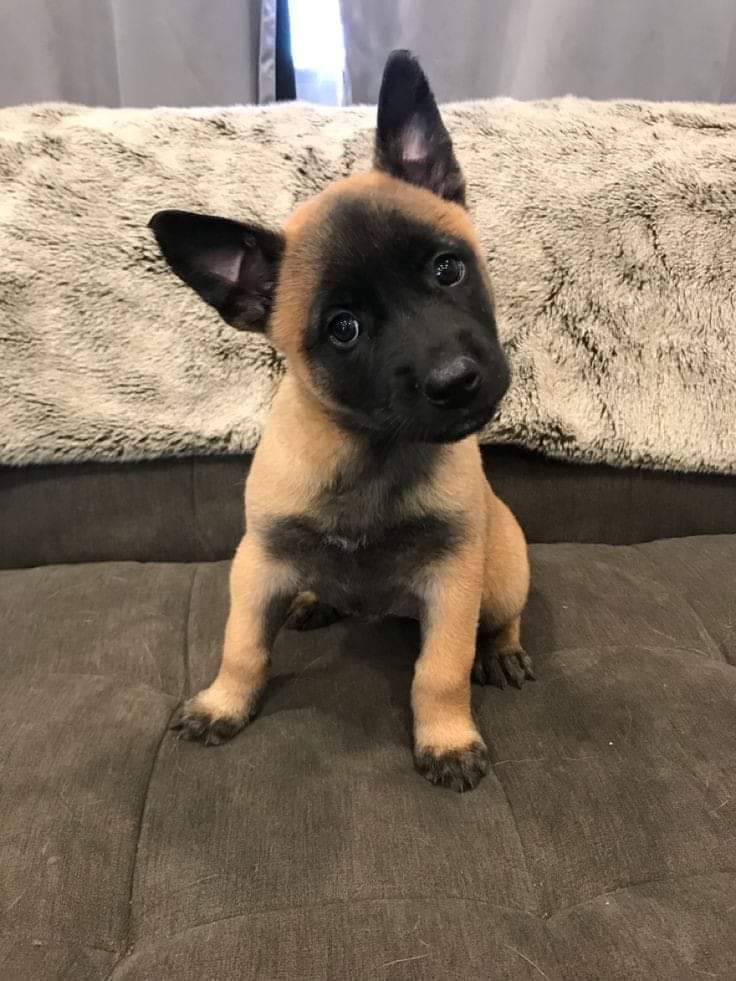
2. What Makes the Malinois Puppy Unique
The Belgian Malinois is part of the Belgian Shepherd family, originally bred for herding. Over time, its intelligence, stamina, and work ethic made it ideal for demanding roles such as police work, detection, and personal protection.
From puppyhood, the Malinois shows remarkable focus and drive. Unlike many other breeds, it doesn’t simply seek affection — it seeks engagement and purpose. A Malinois puppy quickly learns patterns, routines, and tasks, which is why early structured training is essential.
Key aspects that make Malinois puppies unique:
- Exceptional learning ability and memory
- High energy levels requiring constant engagement
- Natural alertness and quick reactions
- Strong protective instincts
- Deep loyalty to their handlers
Because of these traits, a Malinois puppy is best suited to owners who can invest time in consistent training and daily activity.
3. Physical and Behavioral Characteristics of a Malinois Puppy
Physical Traits
- Appearance: Lean, muscular, and agile build
- Coat: Short, straight, and weather-resistant (fawn to mahogany with a black mask)
- Size: Puppies grow rapidly; adults reach 22–26 inches (56–66 cm) and 40–80 lbs (18–36 kg)
- Eyes: Dark, intelligent, and alert
- Ears: Erect and triangular by 5–6 months
Behavioral Traits
- Temperament: Confident, alert, and highly responsive
- Energy: Extremely high; thrives on physical challenges
- Drive: Strong prey and work drive — loves to chase, retrieve, and perform
- Trainability: Exceptionally intelligent but can be stubborn without consistent guidance
- Social Nature: Naturally protective; early exposure to people and environments is critical
Malinois puppies are quick learners, but they also test boundaries. Professional handlers often emphasize balanced leadership — combining firm direction with positive reinforcement.
4. The Importance of Early Socialization
Socialization is the foundation of a well-adjusted Malinois. Without it, the puppy’s natural protectiveness can evolve into anxiety, aggression, or reactivity. Early exposure to different environments helps the Malinois learn that not every new sound or sight is a threat.
Goals of Socialization
- Confidence Building: Introduce the puppy to new experiences (cars, crowds, surfaces).
- Emotional Stability: Help the puppy remain calm in changing environments.
- Controlled Protection: Teach the puppy to distinguish between real and non-threatening situations.
Socialization should start as early as 8 weeks and continue well into adulthood. Positive exposure to children, other dogs, and new environments teaches the puppy adaptability — a core skill for any working or companion Malinois.
5. Step-by-Step Socialization Guide
Step 1: Introduce New Environments Gradually
Begin with quiet, low-stress places such as your backyard or a calm park. Slowly introduce busier settings like pet stores or urban areas. Always reward calm behavior.
Step 2: Meet New People and Dogs
Invite friends, family, and other well-behaved dogs for short, positive interactions. Encourage your puppy to sit calmly and receive treats when greeting strangers.
Step 3: Desensitize to Sounds and Objects
Expose your puppy to household noises, traffic sounds, and various textures (grass, tile, gravel). Use treats and praise to associate new experiences with safety.
Step 4: Enroll in Puppy Classes
Structured puppy socialization classes provide a controlled setting for your Malinois to learn obedience and interact under supervision.
Step 5: Maintain a Routine
Consistency helps your puppy feel secure. Use the same commands, tone, and expectations daily to reinforce stability.
6. Common Mistakes in Raising a Malinois Puppy
Many new owners underestimate the Malinois’s mental intensity. The following errors can lead to behavioral problems:
- Lack of structure: Without clear boundaries, a Malinois becomes dominant or unruly.
- Insufficient exercise: This breed needs at least 90–120 minutes of daily activity.
- Neglecting mental work: Physical exercise alone is not enough — the puppy needs tasks and problem-solving.
- Harsh corrections: This can damage trust; Malinois respond best to firm but positive reinforcement.
- Inconsistent training: Mixed messages confuse the dog and delay progress.
Avoiding these mistakes builds the foundation for a calm, responsive, and confident Malinois.
7. Training Strategies for a Malinois Puppy
Basic Obedience Training
Start with essential commands: sit, stay, down, come, heel. Use short sessions (5–10 minutes) multiple times per day. Always end on a positive note.
Crate Training
The crate should be a safe, comfortable space — not punishment. It helps with housebreaking and provides structure.
Leash Training
Malinois puppies are strong pullers. Introduce leash walking early with positive reinforcement. Use a harness or collar suited for training control.
Impulse Control Exercises
Teach your puppy to wait patiently before meals or while opening doors. These exercises reinforce discipline and respect.
Advanced Training and Jobs
As the puppy matures, integrate agility, scent detection, or protection work under professional guidance. These tasks satisfy the Malinois’s natural drive and prevent boredom.
8. Nutrition and Health for Malinois Puppies
Dietary Needs
A growing Malinois puppy requires high-quality, protein-rich food to support muscle development and energy. Look for formulas with:
- Real meat as the first ingredient
- Balanced calcium-phosphorus ratio for bone health
- Omega fatty acids for coat and brain development
Avoid overfeeding, as Malinois are lean by nature. Feed small, measured meals two to three times daily during puppyhood.
Health Considerations
Common health concerns include:
- Hip and elbow dysplasia
- Allergies or sensitive stomachs
- Overexertion injuries during growth phases
Regular veterinary checkups, vaccinations, and controlled exercise routines help ensure long-term health.
9. Frequently Asked Questions (FAQ)
Q1: How much exercise does a Malinois puppy need?
A Malinois puppy needs about 60–90 minutes of daily activity split between play, obedience drills, and exploration. As the dog matures, this increases to 2+ hours per day.
Q2: Is a Malinois puppy suitable for first-time owners?
Generally, no. The breed requires experienced handling, time commitment, and knowledge of canine behavior. Beginners may struggle to meet its physical and mental needs. but there is book on Amazon talk about it.
Q3: When should socialization begin?
Begin at 8 weeks old and continue consistently until at least 6 months. Controlled exposure helps prevent reactivity and fear-based aggression later. check the same book on Amazon.
Q4: What training methods work best for Malinois puppies?
Positive reinforcement combined with firm boundaries. Avoid harsh punishment; consistency and engagement yield better results. check it on Amazon.
Q5: How can I prevent destructive behavior?
Provide daily physical exercise, puzzle toys, obedience work, and a clear schedule. Mental fatigue is just as important as physical tiredness for this breed.
Q6: Do Malinois puppies get along with other pets?
Yes, if properly socialized from an early age. Without early exposure, they may develop territorial instincts.
Q7: What are two key signs that your puppy is actively “working scent”?
The puppy lowers its head and sniffs rhythmically.
It moves slowly and deliberately, often zig-zagging or circling the area.
These behaviors show focused odor tracking rather than random exploring.
Q8: How can a handler make scent work more challenging as the puppy improves?
Gradually increase difficulty by hiding treats deeper, using more cups or boxes, or working in new environments with mild distractions — always ensuring success remains achievable to keep confidence high.
Q9: How long does it take to fully train a Malinois puppy?
Basic obedience can be achieved in 4–6 months with consistent work. Advanced protection or service training may take 1–2 years.
Conclusion: Building the Perfect Partnership
Raising a Belgian Malinois puppy is both rewarding and demanding. These dogs are born to work and excel in environments that challenge their intelligence, strength, and loyalty. Through early socialization, consistent training, and positive leadership, your Malinois puppy can grow into a stable, confident, and obedient adult capable of excelling in any role — from loyal family guardian to professional working dog.
Owning a Malinois is not about control; it’s about partnership. With patience, structure, and commitment, your Malinois puppy will reward you with unwavering devotion and performance that few breeds can match