
To cope with losing a dog, let yourself grieve, keep a few small routines, talk to people who understand, and find a way to remember your dog. There is no right timeline, and your grief is real, whether the loss was sudden or expected. Be patient with yourself, and reach out for support if the pain feels too heavy to carry alone.
Losing a dog means losing a daily companion, a routine, and a lot of love. If you are hurting, nothing is wrong with you. This guide offers gentle ideas for the first days and the weeks after. If you are still deciding what to do for a sick or old dog, see our guide on old dog behavior before death.
Is It Normal to Grieve This Much for a Dog?
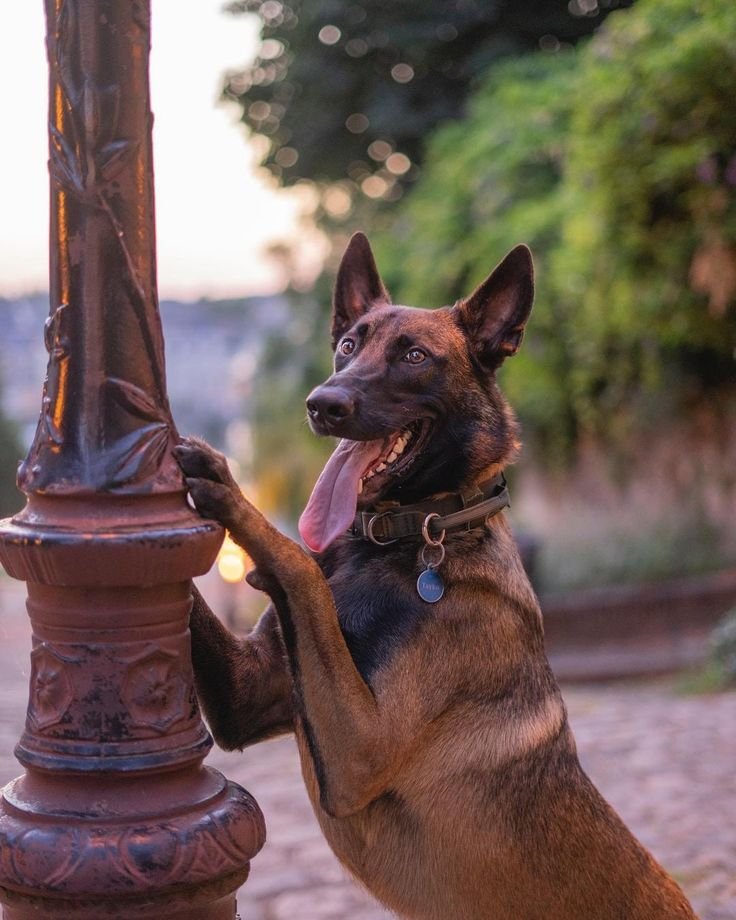
Yes. Many people feel deep grief after losing a dog, and it can feel as heavy as other losses. A dog is part of your days: the morning greeting, the walks, the sound of paws at the door.
You may also feel grief that others do not fully understand. That can make it lonelier. Your feelings are valid, even if someone says “it was only a dog”.
What Feelings Might You Have?
Grief looks different for everyone. You may notice some of these:
- Sadness and crying, sometimes without warning
- Guilt, wondering whether you did enough or chose the right moment
- Anger, at the illness, at yourself, or at others
- Numbness or feeling empty
- Loneliness, especially during routines you shared with your dog
- Trouble sleeping or eating
- Relief, if your dog was suffering, which can bring its own guilt
- Moments of feeling okay, followed by sudden waves
Some people find the idea of “stages” of grief useful. Others do not. Grief is rarely a straight line, and it can come back in waves.
What Should You Do in the First Days?
The first days can feel like a blur. A few small steps may help.
- Eat, drink water, and rest, even if you do not feel like it.
- Tell someone. Ask a friend or family member to be with you.
- Take time off from work or duties if you can.
- Do not rush decisions about your dog’s belongings. You can put them away for now and decide later.
- Let yourself cry when it comes.
- Say goodbye in your own way. Talk to your dog, write a note, or sit quietly.
If you have decided or are deciding about euthanasia, our guide on when to euthanize an old dog covers quality-of-life tools and what to ask your vet.
What Are the Options for Your Dog’s Body?
This is hard to think about, but knowing the choices can help. Your vet can explain each one and handle many steps for you.
- Cremation. Often either a shared cremation or a private one where ashes are returned to you.
- Burial. At home, if local rules allow, or in a pet cemetery. Check local regulations first.
- Letting the clinic arrange it. Many vets can organize aftercare.
There is no right or wrong choice. Decide what feels right to you, and ask your vet to explain what is available in your area.
How Can You Remember Your Dog?
Many people find comfort in a memorial. It gives the love somewhere to go.
- A photo album or framed picture
- A paw print or fur keepsake, if you like the idea
- A garden stone, plant, or tree
- A letter to your dog, telling them what they meant to you
- A small ritual, such as lighting a candle on a special day
- A donation in your dog’s name to a shelter or rescue
- Keeping the collar or favorite toy in a special place
You can create a memorial now or months later. There is no deadline.
How Do You Cope With the Guilt?
Guilt is very common, especially after an end-of-life decision. You may replay what you could have done differently.
Some thoughts that may help:
- You made decisions with the information you had at the time.
- Choosing to end suffering is an act of love, not a betrayal.
- Hindsight makes things look clearer than they were.
- Talk to your vet. Many vets are glad to answer questions afterward.
- Write your thoughts down. Seeing them on paper can loosen their hold.
If guilt keeps you stuck for a long time, a counselor can help.
How Do You Cope With an Empty Home and Routine?
The silence can be one of the hardest parts. Your day was built around your dog.
- Replace routines gently. Take a walk at the usual time, even without a dog.
- Keep parts of the routine that comfort you, and change the ones that hurt.
- Plan something for the hardest times, such as evenings or weekends.
- Spend time outdoors. Fresh air and movement can help your mood.
- Allow reminders. You do not have to hide everything right away.
If you are not ready to put away your dog’s things, leave them. If seeing them hurts, store them in a box for later.
How Do You Help Children Through the Loss?
Children often grieve openly and in short bursts. Honest, simple words usually help.
- Tell the truth in plain language. Say that the dog died and will not come back.
- Avoid saying the dog “went to sleep”, which can make some children afraid of sleeping.
- Let them ask questions, even repeated ones.
- Include them in a memorial, a drawing, or a farewell.
- Accept their feelings, including sadness, anger, or seeming unbothered.
- Share your own sadness gently. It shows them that grief is normal.
If a child’s distress is intense or lasts a long time, talk to their doctor or a counselor.
How Do Other Pets React to the Loss?
Pets may notice changes in routine, smell, and the mood of the household. Some seem sad, search for the missing animal, or become clingy. Others show little change.
- Keep routines steady. Meals, walks, and sleep times help.
- Give extra attention, if they want it.
- Watch appetite and behavior. Call your vet if your pet stops eating or seems unwell.
- Do not force a new pet on them too soon.
What other animals understand is not fully known, but a calm, predictable home helps them.
Should You Get Another Dog Right Away?
There is no correct answer. Some people find comfort in a new dog soon. Others need months or years.
Questions that can help you decide:
- Are you looking for a replacement, or ready to love a different dog?
- Is your grief still very raw, or do you have space for a new relationship?
- Do you have the time and energy for a puppy or a new adult dog?
- Are other pets ready for a newcomer?
A new dog will not be the same as the one you lost, and that is okay. Take the time you need.
When Should You Seek More Support?
Grief is natural, and it can also become too heavy. Consider talking to a counselor, doctor, or pet-loss support group if:
- You cannot work, eat, or sleep for a long time
- You feel hopeless, numb, or unable to function day to day
- Guilt or sadness is growing instead of easing
- You use alcohol or other substances to cope
- You have thoughts of harming yourself
If you have thoughts of harming yourself, please contact a mental health professional or your local emergency or crisis line right away. You deserve care and support.
Many vets know local pet-loss support services, and some offer them. Ask your clinic.
How Long Does Grief for a Dog Last?
There is no schedule. For many people, the sharpest pain softens over weeks or months, and waves of sadness may still come on birthdays, anniversaries, or small reminders.
That does not mean you are failing to heal. Missing your dog can be part of loving them. Over time, many people find that memories bring more warmth than pain.
Final Thoughts on How to Cope With Losing a Dog
To cope with losing a dog, give yourself permission to grieve, take small steps each day, lean on people who care, and find a way to honor your dog’s life. Be gentle with yourself, and do not hesitate to ask for help.
Your dog loved you, and that love does not disappear. For more on the senior years and what to expect, see our guide on old dog behavior before death.
This article is general information and not a substitute for medical, veterinary, or mental health advice.
FAQ: How to Cope With Losing a Dog
How do I stop crying over my dog?
You may not stop right away, and that is normal. Let yourself cry, rest, and talk to someone you trust. Sadness usually softens with time.
Is it normal to feel guilty after euthanasia?
Yes, many people do. Talking with your vet and remembering that you chose to end suffering can help.
How long does it take to get over losing a dog?
There is no set time. Many people feel the sharpest pain ease over weeks or months, with occasional waves later.
Should I get another dog right away?
It depends on you. Some people feel ready soon, and others need much longer. Take the time that feels right.
How do I help my other dog after one dies?
Keep routines steady, give extra attention, and watch appetite and behavior. Call your vet if your pet seems unwell.
What can I do with my dog’s ashes?
Many people keep them at home, bury them in a garden, or scatter them in a meaningful place. Check local rules first.