
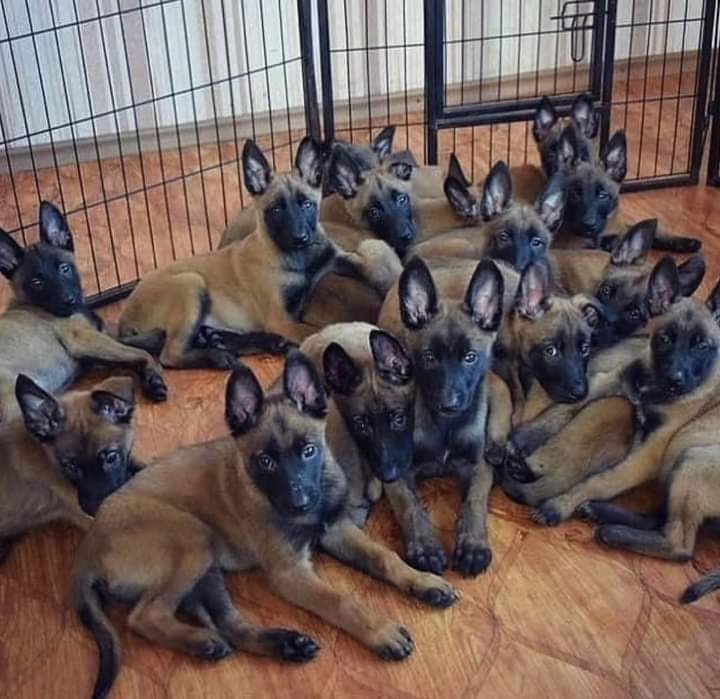
Belgian Malin
able of Contents
- Why a Belgian Malinois Crate Is Essential
- How to Choose the Right Crate Size
- Types of Belgian Malinois Crates
- Best Belgian Malinois Crates (Top 5 for 2025)
- How to Crate Train Your Malinois
- Common Problems & Solutions
- FAQ
Introduction
The Belgian Malinois crate is an extraordinary breed known for its intelligence, loyalty, and boundless energy. Originally bred for herding in Belgium, these dogs have become favorites among military units, police departments, and active families worldwide. Their sharp minds and athletic bodies make them incredible companions, but they also require proper management and training.
Choosing the right Belgian Malinois crate isn’t just about convenience—it’s a fundamental tool for successful training, safety, and your dog’s mental well-being. A properly selected and utilized crate becomes your Malinois’s personal den, a safe space where they can relax, and an essential element in preventing destructive behaviors when you’re away.
This comprehensive guide will walk you through everything you need to know about Belgian Malinois crates: from selecting the perfect size and type to mastering crate training techniques that work specifically for this high-drive breed. Whether you’re bringing home a Malinois puppy or helping an adult dog adjust to crate life, you’ll find actionable insights to make the process smooth and successful.
Why a Belgian Malinois Crate Is Essential
Understanding why a crate matters for your Belgian Malinois starts with understanding the breed itself. These dogs possess exceptional intelligence combined with tireless energy levels that can overwhelm unprepared owners. Without proper outlets and structure, a Malinois can quickly develop problematic behaviors.
The Nature of the Breed
Belgian Malinois dogs are working breeds with instincts to patrol, protect, and stay constantly engaged. They thrive on having jobs to do and clear boundaries to follow. Unlike more laid-back breeds, a bored Malinois will create their own entertainment, often resulting in destroyed furniture, dug-up yards, or escape attempts.
Key Benefits of Crate Training
A Belgian Malinois crate serves multiple critical functions. First, it provides a secure den-like environment that satisfies your dog’s natural instinct for a safe retreat. Dogs are den animals by nature, and a properly introduced crate becomes their sanctuary from household chaos.
Second, crates are invaluable training tools. They accelerate housebreaking by leveraging your dog’s reluctance to soil their sleeping area. For a breed as smart as the Malinois, this natural inclination speeds up the potty training process significantly.
Third, crates prevent destructive behavior when you cannot supervise your dog. A young Malinois left alone in a house can cause thousands of dollars in damage within hours. The crate keeps both your belongings and your dog safe from harmful situations like chewing electrical cords or ingesting toxic substances.
Finally, crates facilitate safe travel. Whether you’re driving across town or flying across the country, a crate-trained Malinois travels with less stress and greater safety.
Addressing Common Misconceptions
Some owners worry that crating is cruel or confining. When used correctly, the opposite is true. A crate should never be used as punishment, and dogs should never be left crated for excessive periods. Instead, it’s a management tool and training aid that, when properly implemented, enhances your dog’s quality of life by providing structure, security, and clear boundaries they instinctively crave.
How to Choose the Right Crate Size for a Belgian Malinois
Selecting the proper size crate is crucial for your dog’s comfort and the effectiveness of training. Too small creates discomfort and distress; too large can undermine housetraining efforts.
Understanding Ideal Dimensions
An adult Belgian Malinois typically stands 22-26 inches tall at the shoulder and weighs 40-80 pounds, with males being larger than females. The ideal Belgian Malinois crate should allow your dog to stand fully upright without hunching, turn around completely, and lie down comfortably in a natural position.
For most adult Malinois, a crate measuring 42 inches long works well. Some larger males may require a 48-inch crate. The width should be approximately 28-30 inches, with a height of 30-32 inches.
How to Measure Your Dog Properly
To ensure the perfect fit, measure your Malinois from the tip of their nose to the base of their tail (not including the tail itself), then add 2-4 inches. This gives you the minimum length. For height, measure from the floor to the top of their head when standing, then add 2-4 inches.
If you’re getting a crate for a puppy, consider their adult size. Malinois puppies grow quickly, and investing in an adult-sized crate with a divider panel is more economical than buying multiple crates as they grow.
Material Considerations
The material of your crate affects durability, ventilation, and portability. Wire crates offer excellent airflow and visibility, making them ideal for home use. Heavy-duty steel crates withstand the strength and determination of an escape-prone Malinois. Plastic crates work best for travel and provide a more enclosed, den-like feeling. Furniture-style crates blend into home decor while functioning as end tables or cabinets.
When Size Matters Differently
For housetraining puppies, you want just enough space for them to lie down comfortably—no more. Extra space may tempt them to use one end as a bathroom. Use divider panels to adjust the usable space as your puppy grows.
For adult dogs who are fully housetrained and simply need a resting space, you can err on the side of more room, allowing them to stretch out fully or have space for a water bowl.
Types of Belgian Malinois Crates
Understanding the different crate types helps you choose the best option for your specific situation and your dog’s temperament.
Wire Crates: The Versatile Standard
Wire crates are the most common choice for home use. They consist of metal bars forming a cage-like structure with a removable tray at the bottom for easy cleaning.
Advantages: Excellent ventilation keeps your Malinois cool during rest periods. The open design allows your dog to see their surroundings, which many dogs find comforting. Most wire crates fold flat for storage and transportation. They typically include divider panels for adjustable sizing as puppies grow. Wire crates are also generally the most affordable option.
Disadvantages: Wire crates offer minimal escape resistance for determined dogs. Belgian Malinois are strong and clever, and some individuals learn to manipulate latches or bend bars. The open design provides less of a den-like atmosphere, which some anxious dogs prefer. Wire crates can also be noisy when dogs move inside them, potentially disturbing light sleepers.
Best for: Well-adjusted adult Malinois, puppies in training, and budget-conscious owners who need an everyday home crate.
Heavy-Duty Crates: Built for Power and Intelligence
Heavy-duty crates are constructed from reinforced steel with enhanced locking mechanisms. They’re engineered specifically for powerful, escape-prone breeds.
Why They’re Ideal for Belgian Malinois: This breed’s combination of strength, intelligence, and determination makes them formidable escape artists. A standard wire crate may not withstand a motivated Malinois who’s experiencing separation anxiety or simply testing boundaries. Heavy-duty crates feature thicker gauge steel, reinforced corners, multiple locking points, and sometimes even chew-proof coatings.
Brands like Impact Dog Crates, ProSelect Empire, and Smonter Heavy Duty are specifically designed for dogs like the Malinois. These crates can withstand chewing, scratching, and pushing that would compromise standard crates.
Considerations: Heavy-duty crates are significantly more expensive, often costing $300-$600 or more. They’re also much heavier, making them difficult to move frequently. However, for owners dealing with escape attempts or severe crate anxiety, the investment prevents the danger of a loose, unsupervised dog and the expense of replacing destroyed standard crates.
Best for: Escape artists, dogs with separation anxiety, and owners who prioritize maximum security and long-term durability.
Plastic Travel Crates: Road and Sky Ready
Plastic crates, often called airline kennels or pet carriers, feature solid plastic construction with a metal door and ventilation holes.
Travel Benefits: These crates meet airline requirements for pet transport, making them essential for flying with your Malinois. The enclosed design creates a cozy, den-like environment that many dogs find calming during stressful travel. Plastic crates are lighter than heavy-duty metal options while still being sturdy. They’re easy to clean and don’t allow items to fall through like wire crates do.
Limitations: Ventilation is reduced compared to wire crates, which can be problematic in hot environments. Visibility is limited, which some dogs dislike. They don’t fold for storage, requiring dedicated space when not in use.
Best for: Owners who travel frequently with their dogs, especially by air, and dogs who prefer a more enclosed resting space.
Furniture-Style Crates: Aesthetic and Functional
Furniture-style crates are designed to look like end tables, nightstands, or decorative cabinets while functioning as dog crates internally.
Home Décor Integration: These crates allow you to maintain your interior design aesthetic while providing your Malinois with their own space. They’re available in various finishes to match different furniture styles. The solid construction and design make them less obviously “pet furniture.”
Functional Considerations: Most furniture crates are constructed from wood or engineered wood with metal bars or slats for ventilation. They provide good den-like enclosure while maintaining some visibility. The top surface functions as usable furniture space.
Drawbacks: Furniture crates are typically the most expensive option. They’re heavy and not portable. Wood construction can be damaged by determined chewing, making them unsuitable for puppies still learning appropriate chewing behavior. Many are not as secure as heavy-duty options for escape-prone dogs.
Best for: Adult, well-trained Malinois in homes where aesthetics are important, and the crate will remain in one location long-term.
Best Belgian Malinois Crates: Top Recommendations 2025
Based on durability, size options, user reviews, and value, here are the top five crates for Belgian Malinois owners in 2025.
🏆 Quick Comparison Table
Crate ModelTypeSizePrice RangeBest ForSecurity LevelImpact Dog Crates - StationaryHeavy-Duty Aluminum42" / 48"$500-$700Escape artists⭐⭐⭐⭐⭐ProSelect EmpireHeavy-Duty Steel42"$350-$450Strong dogs, good value⭐⭐⭐⭐MidWest Ultima ProWire42"$130-$180Well-adjusted dogs, budget⭐⭐⭐Petmate Sky KennelPlastic Travel36" / 40"$100-$150Air travel, enclosed feel⭐⭐⭐⭐Diggs RevolCollapsible Steel42"$350-$450Modern design, portability⭐⭐⭐⭐
1. Impact Dog Crates – Stationary Series (42″ or 48″)
Key Features: Aircraft-grade aluminum construction, reinforced corners, dual locking system, 5/16″ thick bars, fully ventilated design.
Dimensions: Available in 42″L x 29″W x 32″H or 48″L x 33″W x 38″H
Price Range: $500-$700
Best For: Escape artists and owners wanting the absolute strongest, most secure option. These crates are virtually indestructible and come with a lifetime warranty. While expensive, they’re a one-time purchase that will last your dog’s entire life and beyond.
2. ProSelect Empire Dog Cage (42″)
Key Features: Heavy 20-gauge steel tube frame, dual-latch door system, removable tray, rubber feet to protect floors, includes wheels for easier movement.
Dimensions: 42″L x 28″W x 33″H
Price Range: $350-$450
Best For: Owners seeking heavy-duty security at a more accessible price point than the Impact crate. The ProSelect Empire offers excellent strength and durability for powerful breeds without the premium aluminum construction cost.
3. MidWest Ultima Pro Double Door Dog Crate (42″)
Key Features: Professional-grade wire construction, rounded corners for safety, divider panel included, two doors for versatile placement, folds flat for storage.
Dimensions: 42″L x 28″W x 31″H
Price Range: $130-$180
Best For: Budget-conscious owners with well-adjusted adult Malinois or puppies just beginning crate training. This wire crate offers good quality without the heavy-duty price tag, suitable for dogs without escape tendencies or severe anxiety.
4. Petmate Sky Kennel (36″ or 40″)
Key Features: IATA airline-approved, heavy-duty plastic construction, steel wire door, top and side ventilation, secure vault door with squeeze latch.
Dimensions: Available in 36″L x 25″W x 27″H or 40″L x 27″W x 30″H
Price Range: $100-$150
Best For: Travelers who need an airline-approved option for their Malinois. While slightly smaller than home crates, these meet strict airline requirements while providing secure, comfortable transport. Also excellent for dogs who prefer more enclosed spaces.
5. Diggs Revol Collapsible Dog Crate (42″)
Key Features: Modern design with innovative collapsible mechanism, steel construction, diamond-shaped ventilation, removable tray, built-in divider, side door option.
Dimensions: 42″L x 28″W x 33.5″H
Price Range: $350-$450
Best For: Design-conscious owners who want functionality with aesthetics. The Diggs Revol offers better security than standard wire crates with a sleek, contemporary look. The easy collapse mechanism makes it more portable than traditional heavy-duty options.
How to Crate Train a Belgian Malinois
Successfully crate training your Malinois requires patience, consistency, and understanding of your dog’s psychology. This breed’s intelligence means they learn quickly, but also that they’ll test boundaries and look for loopholes.
💡 Pro Tip: Before starting crate training, ensure your Belgian Malinois has had at least 30-60 minutes of exercise. A tired Malinois is exponentially easier to train than one with pent-up energy.
Building Positive Associations
Never force your Malinois into the crate or use it as punishment. Instead, make the crate the most appealing place in your home. Start by placing the Belgian Malinois crate in a central area where your family spends time, so your dog doesn’t feel isolated.
Leave the door open initially and place high-value treats, favorite toys, or a comfortable bed inside. Feed meals near or inside the crate to create positive associations. Your goal is for your dog to voluntarily explore and enter the crate out of curiosity and interest.
Step-by-Step Training Process
Week 1: Introduction and Exploration Allow your Malinois to investigate the crate at their own pace. Toss treats inside, gradually tossing them deeper into the crate. Praise calm exploration. Don’t close the door yet. Some dogs enter confidently on day one; others need several days of treats and encouragement.
Week 2: Door Closing Practice Once your dog enters willingly for treats, begin closing the door for just seconds while they’re eating a treat or meal. Open it before they finish and show any anxiety. Gradually increase duration: 5 seconds, then 10, then 30. If your dog panics, you’ve progressed too quickly. Return to shorter durations.
Week 3: Building Duration Work up to your dog staying calmly in the crate with the door closed for 10-15 minutes while you’re in the room. Use a command like “crate” or “kennel” when your dog enters. Add a comfortable mat or blanket. Reward calm behavior with verbal praise and treats through the bars.
Week 4: Leaving the Room Practice leaving the room for brief periods while your Malinois is crated. Start with just stepping out of sight for 30 seconds, then returning before your dog becomes anxious. Gradually extend the time. Ignore your dog when you return until they’re calm, then calmly open the crate. This prevents teaching that excited behavior gets them released.
Ongoing: Real-World Application Use the crate for short periods when you’re home doing chores or activities where your dog can’t be supervised. This normalizes crating beyond just when you leave the house. Eventually, you can work up to several hours, though remember that dogs shouldn’t be crated for excessive periods.
Essential Training Tips Specific to Belgian Malinois
⚠️ Warning: Never leave your Belgian Malinois crated for more than 6-8 hours. This high-energy breed needs regular exercise, mental stimulation, and bathroom breaks. Excessive crating can lead to severe behavioral problems.
Mental Stimulation Before Crating: Malinois have working dog energy. Exercise your dog physically and mentally before crate time. A tired Malinois is a calm Malinois. Try a training session, puzzle toys, or fetch before crating.
Use the Crate for Calm Moments: Don’t only crate your Malinois when leaving. Crate them periodically when you’re home and they’re already calm and tired. This prevents the crate from predicting abandonment.
Never Release During Protest: If your Malinois barks or scratches at the crate, wait for even a brief moment of quiet before opening. Releasing during protest teaches that noise gets them out, reinforcing the exact behavior you want to eliminate.
Keep Departures and Arrivals Low-Key: Don’t make a big production of leaving or returning. Emotional goodbyes increase anxiety. Simply crate your dog with a calm “kennel” command and a treat, then leave. Upon return, wait until your dog is calm before greeting them.
Common Mistakes to Avoid
Progressing Too Quickly: Malinois are fast learners, but each dog is individual. Moving too quickly through training stages creates anxiety and setbacks that take weeks to overcome.
Using the Crate as Punishment: Never send your dog to their crate in anger or as discipline for misbehavior. This destroys positive associations and creates fear of the crate.
Leaving Collars On: Remove collars before crating to prevent snagging hazards. Tags or buckles can catch on crate bars, creating dangerous situations.
Crating for Too Long: Adult dogs shouldn’t be crated more than 6-8 hours regularly. Puppies need much more frequent breaks—generally one hour per month of age plus one, up to a maximum. Excessive crating leads to physical and psychological problems.
Inadequate Exercise: A Belgian Malinois needs significant daily exercise. Crating an under-exercised Malinois is a recipe for destruction, anxiety, and frustration. These dogs need jobs, training, and physical outlets.
Common Problems and How to Fix Them
Even with careful training, issues can arise. Here’s how to address the most common Belgian Malinois crate challenges.
Problem: Refusing to Enter the Crate
Symptoms: Your dog plants their feet, backs away, or leaves the room when you indicate it’s crate time.
Causes: Negative associations from past experiences, moving too fast in training, or using the crate as punishment.
Solutions: Reset the training process. Remove any pressure to enter the crate. Go back to leaving the door open with high-value treats inside. Try feeding all meals inside the crate with the door open. Make the crate irresistibly appealing by placing something your dog loves inside—a special toy only available in the crate, a frozen Kong stuffed with peanut butter, or a worn shirt with your scent. Never force your dog inside. Instead, use patience and positive reinforcement to rebuild trust. Some Malinois respond well to clicker training paired with crate entry. Click and treat for any voluntary movement toward or into the crate.
Problem: Excessive Barking or Whining
Symptoms: Your Malinois vocalizes constantly when crated, disturbing neighbors and making you question the entire process.
Causes: Attention-seeking behavior, genuine distress, insufficient exercise, or separation anxiety.
Solutions: First, ensure physical and mental needs are met before crating. A 30-minute training session or vigorous play session often solves vocalization problems caused by excess energy. When your dog barks in the crate, do not respond verbally, make eye contact, or approach. Any attention reinforces barking. Wait for any break in vocalization—even just to breathe—then immediately mark that silence with a calm “yes” and treat through the bars. Build duration of quiet time before rewarding.
If barking seems panicked rather than demanding, your dog may need professional help for anxiety. Try covering the crate with a breathable blanket to create a more den-like environment. White noise machines can help mask household sounds that trigger alertness. For severe cases, consult a veterinarian about anxiety management protocols and consider working with a professional dog trainer experienced with Belgian Malinois.
Problem: Destructive Behavior and Escape Attempts
Symptoms: Bent bars, broken latches, damaged teeth from biting the crate, or successful escapes.
Causes: Separation anxiety, insufficient crate strength, boredom, or panic responses.
Solutions: First, upgrade to a heavy-duty crate if you’re using a standard wire model. Belgian Malinois strength and determination can overcome standard crates. Impact, ProSelect Empire, or similar heavy-duty models prevent most escape attempts. Address the underlying cause. If escape attempts occur only when you leave, separation anxiety may be the issue. Consider filming your dog when you’re gone to observe their behavior. Pure frustration and boredom look different from anxiety-based panic.
Increase exercise dramatically. Many escape attempts stem from under-stimulated dogs with energy to burn. A properly exercised Malinois should sleep during crate time. Provide appropriate chew options inside the crate. Frozen Kong toys stuffed with food keep dogs occupied for extended periods. Ensure your dog has eliminated all bathroom needs before crating. Never crate immediately after meals, as dogs may need to relieve themselves within an hour of eating.
For genuine separation anxiety, work with a professional behaviorist. This complex issue requires a comprehensive treatment plan that may include desensitization training, environmental management, and possibly medication in severe cases.
Problem: Crate Soiling
Symptoms: Your housetrained dog eliminates inside their crate, defeating one of the primary training purposes.
Causes: Crate too large, crated too long, medical issues, or incomplete housetraining.
Solutions: Verify the crate isn’t oversized for your dog’s current size. Puppies especially need appropriately sized spaces. Use dividers to limit space if needed. Ensure bathroom breaks occur frequently enough. Adult dogs need breaks every 6-8 hours maximum; puppies need breaks much more frequently. Take your dog out immediately before crating. Stay with them until they eliminate, then reward and crate.
If accidents continue despite appropriate sizing and timing, consult your veterinarian. Urinary tract infections, digestive issues, and other medical problems can cause inability to hold elimination. If a dog who was previously housetrained suddenly starts having accidents, a health issue is likely.
Never punish a dog for crate soiling. This increases anxiety and worsens the problem. Simply clean thoroughly with enzymatic cleaners to remove odor markers that might encourage repeat incidents.
Frequently Asked Questions About Belgian Malinois Crates
What’s the best crate size for a Belgian Malinois?
For most adult Belgian Malinois, a 42-inch crate provides adequate space. Larger males may need 48-inch crates. The dog should be able to stand without hunching, turn around easily, and lie down in a natural position. Measure your specific dog from nose to tail base, adding 2-4 inches, to ensure proper fit.
How many hours can a Belgian Malinois stay in a crate?
Adult Malinois can be crated for 6-8 hours maximum, though shorter periods are preferable. This high-energy breed needs regular exercise and mental stimulation. Puppies require much more frequent breaks—generally one hour per month of age plus one hour. Never use crating as an all-day solution. Dogs need physical activity, bathroom breaks, and social interaction.
Is crating cruel or harmful to dogs?
When used properly, crating is not cruel. Dogs are den animals that naturally seek enclosed, secure spaces. A Belgian Malinois crate becomes a safe retreat, not a prison. Cruelty occurs when crates are misused—crating for excessive hours, using as punishment, or forcing dogs into too-small spaces. Proper crate training with positive associations, appropriate duration limits, and adequate exercise makes crating a beneficial training and management tool.
Does a Belgian Malinois puppy need a different crate than an adult?
You can purchase an adult-sized crate (42-48 inches) and use a divider panel to adjust the usable space as your puppy grows. This is more economical than buying multiple crates. The divided section should be just large enough for your puppy to stand, turn, and lie down—not so large that they can eliminate in one corner and sleep in another. Adjust the divider every few weeks as your puppy grows.
Should I put bedding in my Belgian Malinois crate?
Yes, comfortable bedding makes the crate more inviting. Choose a mat or bed appropriately sized for the crate. For puppies or dogs who chew bedding, start with towels or blankets that are easily washed and replaced. Once your dog reliably doesn’t destroy bedding, upgrade to a proper crate mat or orthopedic bed for comfort. Remove bedding if soiling occurs during housetraining until your dog reliably eliminates only outside.
Can I crate train an older Belgian Malinois who’s never been crated?
Yes, adult dogs can learn to accept crating. The training process is similar to puppies but may take longer, especially if the dog has negative associations. Be patient, move slowly through training steps, and maintain positive reinforcement. Some adult dogs adapt within days; others need weeks. Never force the process. If your adult Malinois shows extreme distress after several weeks of proper training, consult a professional behaviorist for personalized guidance.
Conclusion
Selecting and using the right Belgian Malinois crate is one of the most important decisions you’ll make as an owner of this remarkable breed. The crate serves as a foundational tool for training, a safe haven for your dog, and essential protection for your home and belongings.
Remember that success requires choosing appropriate crate size and type for your specific situation, introducing the crate with patience and positive associations, providing adequate exercise and mental stimulation before crate time, and never using the crate as punishment or for excessive duration.
The Belgian Malinois is an extraordinary breed that thrives with structure, consistency, and clear boundaries. A properly implemented crate training program gives your Malinois the security and framework they need to become a well-adjusted, confident companion. Whether you choose a heavy-duty escape-proof model, a travel-ready plastic crate, or a standard wire option, the key is matching the crate to your dog’s temperament and your lifestyle needs.
The investment you make in a quality crate and proper training pays dividends throughout your dog’s life in the form of a well-behaved companion, reduced anxiety, successful housetraining, and safe, stress-free travel experiences.
Ready to find the perfect crate for your Belgian Malinois? Check out the recommended options above and choose the one that best fits your dog’s size, temperament, and your specific needs. Your Malinois deserves a safe, comfortable space to call their own.